

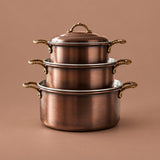


How to Clean a Copper Sahan?

In brief: You should prefer natural methods over chemical products to clean your copper pans. You can restore the shine of your copper pans by scrubbing them with ingredients such as lemon and salt, or vinegar and flour, and delay tarnishing by drying them thoroughly after rinsing.
- Avoid using chemicals when cleaning your copper pans; maintain their shine with natural ingredients.
- Take care not to leave acidic foods in pans with tinned interiors for long periods and check the condition of the tin coating regularly.
- Dishwashers and bleach are absolutely not suitable for copper products; hand washing and gentle drying are essential.
The darkening or dulling of your copper pans over time is a natural characteristic of copper, and it can easily be restored to its original luster with the right methods. When cleaning your pure copper pans, which are handcrafted in our workshop in Gaziantep, you should choose traditional and practical methods that will both extend the life of your product and protect your health. It is possible to polish your copper pans using natural ingredients from your kitchen while staying away from chemical cleaners.
Why Does a Copper Pan Darken and Is This Normal?
Yes, the darkening of copper pans is quite normal and is a process inherent to copper. When copper comes into contact with air, it reacts with oxygen to form a dark layer on its surface over time, known as patina. This tarnishing does not reduce the quality of the copper; on the contrary, it can even provide an appearance that is considered antique and valuable in some cultures. However, if you want to maintain the shine and aesthetic appeal of your kitchenware, regular cleaning and maintenance are essential. Gentle approaches are important to preserve the unique texture of products such as the Black Hammered Handcrafted Traditional Pure Copper Pan that comes from Gaziantep to your table.
Which Natural Ingredients Are Used in Copper Pan Cleaning?
Avoiding chemical abrasives when cleaning your copper pans is important both to protect the surface of your product and for your health, as it is an item that comes into contact with food. The most effective natural methods that our masters have used and recommended for years are:
- Lemon and Salt: This duo is one of the most well-known and effective methods for polishing the tarnished surface of copper. The acidic structure of lemon dissolves the oxidation on the copper, while the mildly abrasive property of salt gently removes the layer on the surface.
- Vinegar and Salt/Flour: Vinegar, another acidic substance as effective as lemon, also works wonders in copper cleaning. You can mix vinegar with salt or flour to create a paste consistency. Flour helps adjust the consistency of the paste, allowing it to adhere better to the copper surface.
- Baking Soda and Lemon/Vinegar: The alkaline structure of baking soda, when combined with the acidic structure of lemon or vinegar, creates a powerful cleaning effect. This mixture can be preferred especially for stubborn stains and deeper tarnishing.
The mixtures you prepare with these natural ingredients will help you clean both the interior and exterior surfaces of your specially crafted products, such as the Engraved Silver Color Tinned Pure Copper Pan, without causing any damage.

How to Clean a Copper Pan Step-by-Step?
By carefully following the steps below to clean your copper pan, you can preserve the beauty of traditional craftsmanship for many years:
- Preparation: First, wash your pan lightly with warm water and remove any food residue or oil. This ensures the paste is more effective.
- Paste Preparation: Mix the juice of half a lemon with 1 tablespoon of salt in a bowl. Alternatively, you can create a paste by mixing half a tea glass of vinegar with 1 tablespoon of salt or 2 tablespoons of flour. If you are using baking soda, mix 2 tablespoons of baking soda with a small amount of lemon juice or vinegar to obtain a thick paste.
- Application: Using a soft cloth or sponge, apply the paste you prepared evenly to the tarnished or dulled surfaces of the pan. You can apply a little more to areas where stains are concentrated.
- Waiting Time: Let the paste sit on the copper surface for about 5-10 minutes. This time will be sufficient for the acidic components to dissolve the oxidation. For very stubborn stains, you can extend this time up to 15 minutes.
- Scrubbing: After the waiting period, gently scrub the pan using a soft cloth or sponge in circular motions. Avoid using wire brushes or harsh sponges to avoid damaging the copper surface. You will see that the tarnish dissolves and the natural color of the copper emerges.
- Rinsing: Rinse the pan thoroughly under plenty of warm water until all paste residue is gone. It is very important that no residue remains, as residue can lead to new tarnishing.
- Drying: Immediately after rinsing, gently dry the pan with a clean, dry cloth. Take care not to leave any water droplets on the copper, as they can cause water spots and the beginning of new oxidation. You can also leave it out in the air to ensure it is completely dry.
- Final Polishing (Optional): If you want more shine, you can wipe the outer surface of the pan with a few drops of olive oil on a dry cloth. This will give the copper extra shine and delay tarnishing for a while.
With these simple steps, you can polish all your copper pans, including your breakfast pans like the 14 cm Handcrafted Tinned Pure Copper Breakfast/Egg Pan, just like they were on the first day.
What to Consider When Cleaning Copper Pans: Tin Lining and Safety
One of the most important points to consider when cleaning copper pans is the tin coating on the inner surface of the pan. Our masters in Gaziantep tin the interior surfaces of all pots and pans suitable for kitchen use using traditional methods. The tin prevents the copper from coming into direct contact with food, offering a healthy usage.
- Importance of Tin Coating: Copper can release copper ions when in long-term contact with certain acidic foods and beverages (lemon, vinegar, tomato, etc.). The tin coating prevents this contact, ensuring that food can be cooked safely.
- Tin Inspection: Before using your copper pan and during cleaning, make sure that the tin on the inner surface is not scratched, worn, or darkened. If you see peeling, darkening, or wear in the tin, it is important to have your pan re-tinned.
- Acidic Foods: Even if it is tinned, take care not to leave acidic foods such as lemon, vinegar, or tomato in your copper pan for a long time. It is best to transfer food to another container immediately after cooking.
- Dishwasher and Bleach: Copper products are never suitable for the high heat and harsh chemicals of a dishwasher. The dishwasher oxidizes the copper surface, ruins its color, and damages the tin coating. Similarly, bleaching and abrasive chemicals like bleach cause permanent damage to the copper surface. Always wash by hand and using natural methods.
- Wire Brushes and Harsh Sponges: To avoid scratching the delicate surface of the copper and the tin coating, avoid using wire brushes, metal sponges, or abrasive cleaning cloths. Soft cloths or sponges will suffice.
These simple safety measures will both extend the life of your copper pans, which are prepared with care in our Gaziantep workshops, and provide a healthy and pleasant experience in your kitchen.
How Should We Store Copper Pans to Slow Down the Darkening Process?
In addition to cleaning, storing your copper pans correctly is the key to slowing down the darkening process. Here are a few practical storage tips from our masters:
- Dry Completely: Ensure your pans are completely dry after cleaning. Moisture is one of the most important factors that accelerate the oxidation of copper.
- Airtight Environments: If you are not going to use them for a long time, storing your copper pans in an airtight environment significantly delays tarnishing. You can wrap them in plastic wrap or keep them in airtight containers.
- Fabric Covers: Using a soft cloth cover when storing your copper products both prevents them from getting scratched and creates a light barrier, reducing contact with air.
- Dry and Humidity-Free Environment: Store your copper pans in a dry and cool place away from humid areas (such as bathrooms or laundry rooms). Kitchen cabinets are generally a suitable option.
- Hanging Storage: Hanging your copper pans adds a decorative touch to your kitchen and can prevent moisture accumulation by providing air circulation. However, in this case, it may be necessary to dust them frequently and wipe them occasionally to maintain their shine.
With these methods, you can also store your handmade copper presentation products and kitchen accessories in a way that ensures their longevity.
Tips for Maintaining the Shine of Copper Pans and Common Mistakes
Maintaining the shine of your copper pans just like on the first day is possible not only through cleaning but also through correct usage habits. Here are some tips distilled from the experience of our masters and common mistakes to avoid:
Tips for Maintaining Shine:
- Regular Use and Cleaning: Using your copper pans frequently and cleaning them with the right methods after each use prevents permanent tarnishing. The more often you polish, the less effort you will have to expend.
- Gentle Scrubbing: Always be gentle when cleaning the copper surface. Aggressive scrubbing can damage the coating, especially on tinned products. It is best to scrub with circular and light motions.
- Natural Polishes: Instead of chemical polishes, wiping the outer surface with a very small amount of olive oil or special copper polishing cloths after cleaning increases the copper's luster and delays tarnishing.
- Rapid Drying: Drying your copper pans immediately and completely after washing prevents water spots and oxidation from forming.
Common Mistakes and Things to Avoid:
| Mistake | Why Should It Be Avoided? | Correct Approach |
|---|---|---|
| Dishwasher Use | High heat and harsh chemicals cause copper to oxidize, the tin to deteriorate, and the surface to be damaged. | Always wash by hand with warm water and natural cleaners. |
| Abrasive Cleaners | Bleach, wire brushes, and metal sponges scratch the copper surface, damage the tin coating, and cause it to lose its shine. | Use soft cloths, sponges, and natural pastes. |
| Leaving Acidic Foods | Even if tinned, acidic foods in long-term contact with copper can shorten the life of the tin and cause copper ions to transfer into the food. | Transfer food to another container immediately after cooking. |
| Leaving Wet | Water droplets and moisture lead to rapid oxidation of copper and the formation of water spots. | Dry immediately and completely after washing. |
| Leaving Empty on Heat | Leaving an empty copper pan on high heat can cause serious damage to the tin coating and shorten the life of the pan. | Always place the copper pan on heat with some liquid or food inside. |
By paying attention to these tips and taking care of your handmade copper products from Gaziantep, you can preserve the beauty and functionality of your home gift sets and other pieces for many years.
As Master Coppersmiths, we are happy to guide you on the cleaning and maintenance of your copper pans. Remember, these products, crafted with love and labor, are heirlooms that can be passed down from generation to generation with proper care. You can visit our pots and pans category to add a traditional touch to your kitchens and experience the quality of our handmade copper products.
Master's Note
Extending the life of every copper pan we hammer in our workshop is our masters' greatest desire. Drying your pans immediately and completely after cleaning slows down the natural darkening process of copper and allows it to maintain its shine for a longer time. Remember, moisture is copper's greatest enemy.
Products Mentioned in the Article


Frequently Asked Questions
How often should I clean my copper pan?
Depending on how often you use your copper pan, it is ideal to gently clean and dry it after each use to maintain its shine and prevent tarnishing, and to perform a deep cleaning once a month or every two months.
Is it safe to use an un-tinned copper pan?
Un-tinned copper pans are generally recommended only for presentation purposes or for dry foods that will not be left inside for a long time. Tinned products should be preferred as direct contact with acidic foods can cause copper ions to pass into the food.
What are the green spots on my copper pan?
The green spots on copper are a layer known as "copper rust" or "patina" that forms as a result of the oxidation of copper. These spots can be easily cleaned with natural acidic cleaners like lemon and salt.
How can I scrub my copper pan without scratching it?
To prevent scratching your copper pan, always use a soft cloth, sponge, or cotton cloth. Apply the paste in circular motions gently and never use metal wire brushes or abrasive sponges.
What can I do to give my copper pan shine after cleaning?
After cleaning and completely drying your copper pan, you can give it a natural and lasting shine by wiping the outer surface with a soft cloth onto which you have dripped a very small amount of olive oil.
Discover: Pots and Pans
Best Sellers


