



How to Polish a Copper Sahan?

In brief: You can use natural ingredients like lemon and salt or a mixture of vinegar and flour to polish your copper pans. You can restore them to their original shine by gently applying these mixtures to the tarnished surface, letting them sit for a short while, and then rinsing them off.
- Copper pans naturally tarnish when they come into contact with air and moisture; this is a normal oxidation process.
- You can easily polish your copper pans using simple, natural ingredients like lemon-salt or vinegar-flour.
- You can preserve their shine by avoiding the dishwasher and preventing acidic foods from sitting on unlined surfaces for long periods.
Do not worry when your handcrafted pure copper pans from Gaziantep tarnish over time; you can restore them to their original luster using the practical and natural methods of our master craftsmen. You can use natural ingredients such as lemon and salt or a mixture of vinegar and flour to polish your copper pans. You can restore them to their original shine by gently applying these mixtures to the tarnished surface, letting them sit for a short while, and then rinsing them off.
Copper pans, an indispensable part of our kitchens and the pride of our dining tables, are not just cookware; they are also symbols of our cultural heritage and handicrafts. In our workshop in Gaziantep, we keep the centuries-old copper-smithing tradition alive, producing pure copper products, each crafted by our masters. From pitchers to coffee pots, kettles to saucepans, and jugs to bracelets, the wide range of products we offer adds warmth and elegance to your home and can accompany you for a lifetime with proper care. However, over time, tarnishing may occur due to the natural structure of copper. In this article, we will explain step-by-step how you can easily polish your copper pans, which methods you should use, and how to maintain their shine.
Why Do Copper Pans Tarnish and Lose Their Shine?
The tarnishing of copper pans is the result of oxidation, a natural chemical reaction that occurs when copper comes into contact with oxygen and moisture in the air. This tarnish is a thin oxide layer that forms on the surface of the copper and can be considered as the copper's self-protection mechanism against external factors. Copper pots and pans used in the kitchen, in particular, may experience this process more quickly due to the heat, moisture, and acids in certain foods they are exposed to during cooking.
In our workshop, we are aware of this natural property of pure copper and keep it in mind while designing our products. This tarnishing does not mean the copper is of poor quality; on the contrary, it is a sign of genuine copper. The dullness or greenish spots that form on the surface of your copper pan can be easily removed with regular and proper care. The important thing is to create a maintenance routine to protect the vitality and character of the copper instead of viewing this tarnishing as a defect.
Copper Pan Polishing Methods: Sparkle with Natural Ingredients
You can create wonders with natural ingredients you can easily find at home to restore your copper pans to their original shine. The most effective methods, which we also prefer in our workshop, are lemon and salt or a mixture of vinegar and flour. These methods neither damage the copper surface nor contain chemicals, making them safe to use.
1. The Lemon and Salt Method
The natural acid of the lemon and the mild abrasive structure of the salt are very effective in removing tarnish from the copper surface. This method is ideal for light to medium tarnishing.
- Preparation: Cut a lemon in half and sprinkle plenty of fine salt over it.
- Application: Rub the salted lemon directly onto the tarnished copper surface. Gently scrub in circular motions. You can apply a little more pressure to tarnished areas, but be careful not to damage the copper.
- Waiting: Let the lemon and salt mixture sit on the copper for about 5-10 minutes. This time is sufficient for the acid to dissolve the tarnish.
- Rinsing: Rinse the pan thoroughly under warm water. Ensure all salt and lemon residue is gone.
- Drying: Dry the pan immediately with a clean, soft cloth. Leaving it damp can lead to new tarnishing.
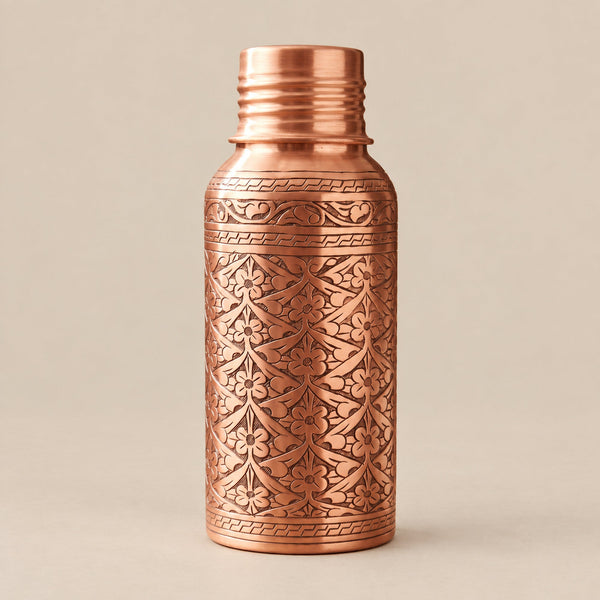
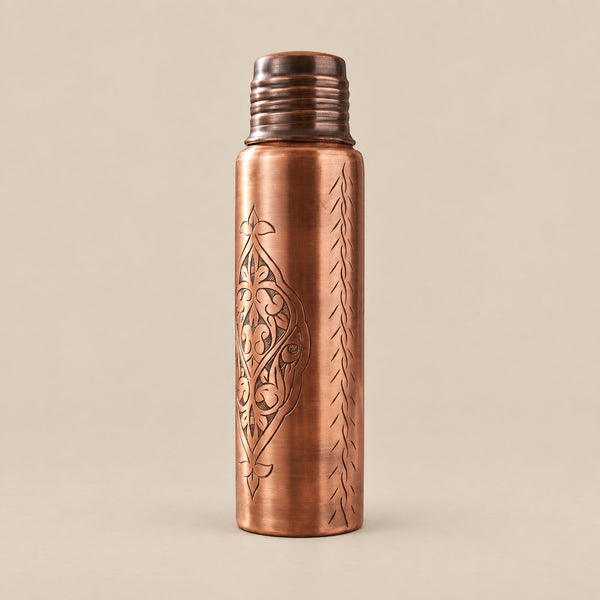
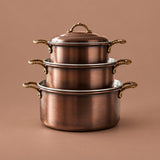
You can easily polish your ornate silver-colored, tin-lined pure copper pan using this method.
2. The Vinegar and Flour Paste Method
This method allows for deeper penetration into the copper by creating a paste-like cleaner for more stubborn tarnish.
- Preparation: In a bowl, mix equal parts white vinegar and flour. Continue mixing until it reaches a paste consistency. Optionally, you can add a little bit of fine salt.
- Application: Apply the paste you prepared evenly to the tarnished copper surface. Ensure the entire surface is covered.
- Waiting: Let the paste sit on the copper for at least 15-20 minutes, or even 1-2 hours for deeper tarnishing.
- Scrubbing: After the waiting time, scrub the paste using a soft sponge or cloth in circular motions. You will see the tarnish start to dissolve.
- Rinsing and Drying: Rinse the pan thoroughly under plenty of warm water and dry immediately with a clean, dry cloth.
Using these two methods, you can restore the shine of your handcrafted tin-lined pure copper breakfast/egg pan. Remember, the key is regular maintenance and gentle application.

Effective Solutions for Deeply Tarnished Copper Pans
Sometimes, when copper pans are left unattended for a long time or subjected to heavy use, they can become deeply tarnished. For such stubborn tarnish, a slightly more intensive application might be required. However, choosing natural methods over chemical products is still better for the longevity of the copper and our health.
1. Intensive Lemon and Salt Application
If the first lemon and salt application was not enough, you can try a more intensive version:
- Preparation: Use a lemon half again, but this time you can sprinkle more and coarser salt on it (but be gentle enough not to scratch).
- Application: After rubbing the lemon and salt onto the tarnished surface, scrub for a longer time this time using the soft side of a kitchen sponge or a thin cloth instead of a scouring pad. You can use an old toothbrush to reach corners and engraved parts.
- Waiting: After letting the mixture sit for about 15-20 minutes, proceed to scrub again.
- Rinsing and Drying Again: Rinse with plenty of water and dry. You can repeat the process if necessary.
2. Baking Soda and Lemon/Vinegar Mixture
Baking soda is a material we frequently use in cleaning due to its mildly abrasive properties and is also effective in polishing copper.
- Preparation: Mix 2 tablespoons of baking soda with enough lemon juice or vinegar in a bowl to obtain a thick paste.
- Application: Apply this paste to the tarnished copper surface, focusing especially on areas with stubborn stains.
- Waiting and Scrubbing: After waiting for about 10-15 minutes, scrub with a soft cloth or sponge in circular motions. It is normal for the baking soda to foam.
- Rinsing and Drying: Rinse thoroughly with warm water and dry immediately.
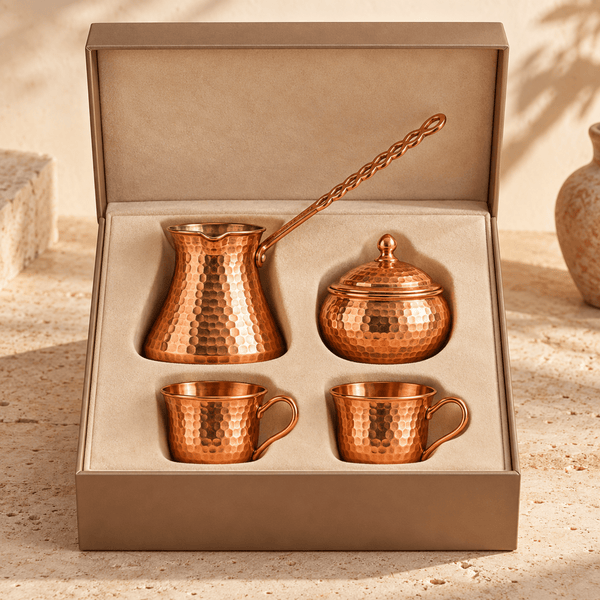
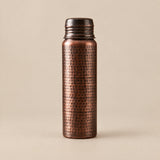
You can restore your black hammered handmade traditional copper pans to their original shine with these methods.
Tips for Maintaining the Shine of Your Copper Pan for a Long Time
As important as polishing your pans is, maintaining that shine is just as crucial. By adopting the right care habits, you can extend the life of your copper products and delay tarnishing.
- Dry Immediately: One of the main reasons for copper products tarnishing is moisture. After every use and wash, dry your pan immediately with a clean, dry cloth. Do not leave it to air dry.
- Proper Storage: Store your copper pans in a dry place away from moisture. If possible, keep them in closed cabinets or drawers. To reduce contact with oxygen in the air, you can occasionally wrap them in an airtight bag or plastic wrap.
- Regular Cleaning: Wash your pan after each use using only water and mild dish soap. Repeat the deep polishing process once a month or as needed when signs of tarnishing begin.
- Stay Away from Chemicals: Avoid using abrasive chemicals, bleach, or harsh cleaning agents that can damage the copper surface. These substances can destroy the surface of the copper and lead to permanent damage.
- Do Not Use the Dishwasher: Never wash your copper pans in the dishwasher. The high heat and harsh detergents of the dishwasher cause the copper to tarnish and stain. Hand washing is the gentlest cleaning method for your copper products.
By paying attention to these tips, you can maintain the shine of your lidded mini model handmade pure copper pan and your other copper presentation products for a long time.
What You Should Know When Using Copper Kitchenware
Copper kitchenware is known for both its aesthetic appearance and its contribution to the flavor of meals due to its uniform heat distribution. However, there are some important points you should pay attention to when using these valuable products.
1. The Importance of Tin Lining
The inner surfaces of copper pots and pans used for cooking are generally coated with tin. Tin prevents the copper from coming into direct contact with food, particularly preventing acidic foods from reacting with the copper. This is of great importance both for the taste of the food and for health reasons. If the tin lining inside your pan has worn out or scratched, it is recommended to have it re-tinned. As Usta Bakırcı, we emphasize this detail for the safe use of our tinned products.
2. Acidic Foods and Beverages
In copper vessels that are not tin-lined or have worn tin, be careful not to keep acidic foods and beverages like lemon, vinegar, or tomatoes for a long time. Acids can react with the copper, giving the food a metallic taste and causing stains on the copper surface. You can safely use these types of foods in tin-lined copper products.
3. Dishwasher and Bleach Never!
As we mentioned before, washing your copper products in the dishwasher or using bleaching agents like bleach can cause serious damage to the natural structure and shine of the copper. Copper is a delicate metal and is best protected with gentle hand washing. Always protect your copper products, which are among your kitchen accessories, with care by washing them by hand.
By paying attention to these basic usage rules, you can enjoy your handcrafted pure copper pans and other copper kitchenware safely for many years.
Your handcrafted pure copper pans, reflecting the ancient copper-smithing tradition of Gaziantep, will continue to be one of the most favorite pieces of your kitchen and dining table with proper care and attention. Using these valuable pieces, shaped by the labor of our masters, with the luster they had on the first day offers both a pleasant experience and extends the life of your products. You can explore our home gift sets and other pot and pan models to bring the warmth and elegance of copper into your home. Remember, each copper product tells a story and lives with you.
Master's Note
In our workshop, while crafting copper products, we always take care to preserve their natural shine. The most important tip for extending the life of your copper pans and maintaining their shine is to wash them immediately after every use and dry them thoroughly. Moisture is the greatest enemy that accelerates tarnishing.
Products Mentioned in the Article


Frequently Asked Questions
How often should I polish my copper pan?
Depending on the frequency of use and the degree of tarnishing, it is generally sufficient to polish your copper pan once a month or when signs of tarnishing begin. Cleaning and drying it after each use will reduce the need for deep polishing.
Can I use chemical products to polish my copper pan?
It is better for the life of your copper pan and your health to choose natural methods like lemon-salt or vinegar-flour instead of chemical products. Chemicals can damage the surface of the copper.
Why is the tin lining inside the copper pan important?
The tin lining inside the copper pan prevents the copper from coming into direct contact with food, preventing especially acidic foods from reacting with the copper and ensuring safe use for health.
How should I store my copper pan after polishing?
After polishing, be sure to dry your pan thoroughly with a clean and dry cloth. Storing it in a dry, airtight place (for example, in a closed cabinet or wrapped in a cloth) away from moisture will delay new tarnishing.
Can I completely prevent my copper pan from tarnishing?
It is a natural process for copper to tarnish when it comes into contact with air and moisture, and it cannot be completely prevented. However, with regular care, immediate drying, and correct storage methods, you can significantly slow down the tarnishing process.
Discover: Pots and Pans
Best Sellers


