



What Should You Consider When Buying a Copper Sahan?

In short: When buying a copper sahan (shallow pan), first ensure the product is made of genuine pure copper. Next, check the quality of the interior tin lining and the thickness of the craftsmanship to choose a product that will ensure long-lasting and healthy use.
- Genuine pure copper sahans are heavy, are not magnetic, and have a distinct sound.
- The interior tin lining provides healthy use by preventing the copper from oxidizing upon contact with acidic foods.
- Thick and hand-hammered copper sahans distribute heat better and are more resistant to deformation.
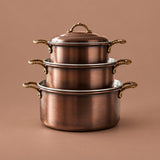
Copper sahans, which are the traditional elegance of our kitchens and the secret to delicious meals, are valuable heirlooms that can be used for generations when chosen correctly. There are a few important points you should pay attention to when purchasing our handmade sahans, which emerge from the Usta Bakırcı workshops, infused with Gaziantep's deep-rooted copper crafting tradition, to ensure the quality of the product.
In this article, we will share with you the details you should focus on when choosing a copper sahan that will add health and aesthetics to your table, drawing on the experience of Usta Bakırcı masters.
How Do You Tell It Is Genuine Pure Copper?
Understanding whether a copper sahan is made of genuine pure copper is critical for the quality and lifespan of the product. Although there are many different metals on the market that look like copper, pure copper has its own unique qualities.
- Weight and Density: Pure copper is heavier than other metals. The fullness and weight felt when you hold the sahan in your hand are important clues to the purity of the copper. Usta Bakırcı products are produced by hammering pure copper sheets with a wall thickness of at least 1.5 mm, which gives them a distinct weight.
- Magnet Test: Pure copper is not magnetic. When you bring a magnet close to the outer surface of the sahan, you should not feel any pull. If the magnet sticks, it is understood that the product is a copper alloy or contains a different metal.
- Color and Surface Texture: Pure copper has a unique bright, reddish-brown color. In handmade sahans, seeing a slightly rough or patterned surface texture called hammer marks is an indication of the craftsmanship and the naturalness of the copper. You will not find this natural texture in painted or plated products.
- Sound: Pure copper emits a resonant and unique sound when tapped lightly. Thin or alloyed products may produce a higher-pitched or metallic sound. The copper sahans we hammer in our workshop in Gaziantep reveal their quality with this resonant sound.
Why Is the Interior Tin Lining of the Sahan Important?
The tin lining on the inner surface of copper sahans is not just an aesthetic detail, but also indispensable for a healthy and safe cooking experience. Tin prevents the copper from coming into direct contact with acidic foods, blocking potential reactions.
Traditionally, copper vessels have been used by tinning them for centuries. The main reason for this is that acidic foods such as lemon, tomato, and yogurt can cause the copper to oxidize if they remain in contact with it for a long time. This can not only spoil the taste of the food but can also lead to undesirable health consequences. Tin acts as a barrier that prevents this reaction.
Things to pay attention to for a quality tin lining:
- Use of Pure Tin: It is very important that the tin lining is made with pure tin. Instead of industrial or mixed tin, pure tin suitable for food contact should be preferred. As Usta Bakırcı, we line the inner surface of our sahans using traditional methods and pure tin.
- Even and Thick Lining: The tin lining should be spread over the entire inner surface of the sahan with sufficient thickness. Thin or patchy tin causes the copper to be exposed and lose its protective feature. When you check visually, you should see a bright, smooth, and homogeneous surface. Ensure that the inner surface used during cooking is fully covered.
- Need for Re-tinning: Depending on heavy use or over time, the tin lining may wear out, scratch, or darken. In this case, your sahan needs to be re-tinned. You should avoid using a copper sahan with worn-off tin for cooking purposes. You should definitely get support from a reliable and expert coppersmith for this process.

How Do Craftsmanship and Thickness Affect the Lifespan of a Copper Sahan?
Craftsmanship and the thickness of the copper directly affect the lifespan and performance of a copper sahan. As our masters in Gaziantep say, "Good copper is well-hammered and thick copper."
Craftsmanship (Hammering): Unlike mass-produced products, hand-hammered copper sahans are created by shaping the copper sheet with our masters' hammer blows. This hammering process compresses the molecular structure of the copper, making it more durable. In addition, thanks to this process, its ability to distribute heat more homogeneously increases, and the small pits on the surface of the sahan help slightly reduce food sticking. Hand hammering also adds a unique aesthetic and character to the sahan.
Thickness of Copper: The wall thickness of the sahan directly affects heat distribution and the durability of the product. Thin copper sahans heat up faster but may struggle to distribute heat evenly and are more prone to deformation. Thick copper sahans absorb heat more slowly, but once heated, they retain heat much more evenly and for a longer time, which is ideal for dishes cooked on low heat. As Usta Bakırcı, we take care to use pure copper with a thickness of at least 1.5 mm in our products.
| Feature | Thin Copper Sahan | Thick Copper Sahan |
|---|---|---|
| Heating Speed | Very fast | Medium fast |
| Heat Distribution | Less homogeneous | Very homogeneous and stable |
| Durability | More prone to deformation | More durable, long-lasting |
| Cooking | Fast cooking, frying | Slow cooking, searing |
How Should Copper Sahan Maintenance and Cleaning Be Done?
Knowing the right maintenance and cleaning methods is of great importance to extend the life of your copper sahan and maintain its first-day shine. Usta Bakırcı products will be the crown jewel of your kitchen for years with proper care.
- Hand Washing is a Must: Never wash your copper sahans in the dishwasher. The harsh detergents and high temperatures of dishwashers damage the natural structure of the copper and especially the tin lining, causing it to darken or peel. Wash your sahan by hand after each use with warm water and a soft sponge or cloth.
- Gentle Cleaning Products: Definitely avoid using abrasive cleaners, bleach, or wire brushes. These scratch the surface of the copper and destroy the tin lining. A mild dish soap will suffice.
- Natural Polishing Methods: Copper can naturally darken over time. To remove this tarnish and restore its shine, you can use traditional methods. Cut a lemon in half, sprinkle some salt on it, and scrub the outer surface of the sahan with this lemon. Then rinse with plenty of water and dry thoroughly. A mixture of vinegar and flour can also form an effective paste. When applying these methods, take care not to touch the tinned inner surface as much as possible.
- Thorough Drying: After washing, dry your sahan immediately and thoroughly. If water droplets remain on it, they can leave stains and accelerate oxidation. Use a soft, dry cloth.
- Acidic Food Warning: Even if it has an interior tin lining, avoid keeping acidic foods and drinks such as lemon, vinegar, and tomatoes in your copper sahan for a long time. Transferring food to a different container after cooking will extend the life of the tin.
Which Size Copper Sahan Is Suitable for What?
Copper sahans are produced in different sizes and depths, and each has a separate use in the kitchen. Choosing the right size varies according to your cooking habits and the size of your household.
- Small Size Sahans (12-16 cm): Ideal for single portions, omelets, menemen (Turkish scrambled eggs with tomatoes), or breakfast eggs. Thanks to their small size, they heat up quickly and offer practical use. Products like Sahan Breakfast Egg Handmade Tinned Pure Copper 14 cm are very useful for your morning breakfasts.
- Medium Size Sahans (18-22 cm): Preferred for main meals, sautéing, or cooking vegetables for 2-3 person families. It has both a practical and sufficient capacity. For example, products like Sahan Black Hammered Hand-Crafted Traditional Pure Copper 14 cm are suitable for both cooking and presentation.
- Large Size Sahans (24 cm and above): Ideal for crowded tables, special invitations, or hosting guests. Used for preparing large portions of pilaf, meat dishes, or traditional pot meals. Sahans of this size, especially embossed models like Sahan Embossed Silver Color Interior Tinned Pure Copper 16 cm, create an eye-catching effect in presentation.
The depth of the sahan also affects its intended use. Deeper sahans are suitable for juicy dishes, while shallower ones can be preferred for frying and sautéing.
Choosing a copper sahan is not just a kitchen utensil, but also an investment in your kitchen culture. As Usta Bakırcı, we carry the handcrafting tradition that has continued for generations in our workshops in Gaziantep into modern kitchens. With our sahans made of pure copper, carefully tinned, and every detail considered, we add both health and aesthetics to your tables.
When preparing delicious meals in the kitchen or looking for a special gift for your loved ones, you can benefit from this guide to choose the right copper sahan. You can examine all our products in our pots and pans category, take a look at our presentation products that will add a traditional touch to your tables, or make your loved ones happy with our home gift sets.
Master's Note
Every copper sahan we produce in our workshop comes to life with the meticulous craftsmanship of our masters and the experience passed down for generations. The thickness of the copper and the purity of the tin are the most important elements that directly affect the flavor of your meals and the life of the product; that is why we pay special attention to these details.
Products Mentioned in the Article


Frequently Asked Questions
How should I prepare my copper sahan before the first use?
Before the first use, wash your sahan thoroughly with warm water and soap and dry it. Then, you can prepare it for the first use by lightly greasing the inner surface with a little vegetable oil.
Why does the color of the copper sahan change over time?
Copper naturally oxidizes when it comes into contact with air and darkens or turns green over time. This is a natural feature of copper, and you can restore its shine with proper maintenance methods.
Can I use my copper sahan on the stove or in the oven?
Yes, copper sahans are suitable for stove and oven use. However, you should avoid leaving them on very high heat for a long time, and you should pay attention to the material of the handles when using them in the oven.
What should I do if the tin lining of the copper sahan is scratched?
If the tin lining is deeply scratched or peels, it is important to show your sahan to an expert for the tinning process. This is necessary to maintain the healthy use of the product.
Should I prefer tinned or untinned when buying a copper sahan?
Copper sahans to be used for cooking must be tinned inside. Untinned copper products are generally preferred for presentation or decorative purposes.
Discover: Pots and Pans
Best Sellers


