



Methods for Polishing Copper at Home

In short: Polishing your copper products at home is quite easy with the right materials and methods. Natural mixtures like lemon and salt, or vinegar and flour, remove the dull and oxidized appearance that develops on copper over time, restoring its original shine. With regular maintenance, you can extend the life of your handmade copperware from Gaziantep.
- Copper products naturally oxidize and tarnish when exposed to air and moisture; this does not affect the quality of the product.
- You can easily and safely polish your copper using natural ingredients like a lemon-salt mixture, a vinegar-salt-flour paste, or ketchup.
- Rinsing copper products thoroughly with water and drying them immediately after polishing is the most important step to prevent new tarnishing and water spots.
Polishing your copper products at home is quite easy with the right materials and methods. Natural mixtures like lemon and salt, or vinegar and flour, remove the dull and oxidized appearance that develops on copper over time, restoring its original shine. With regular maintenance, you can extend the life of your handmade copperware from Gaziantep.
Why Does Copper Tarnish and Oxidize?
Copper naturally oxidizes, tarnishes, and dulls over time due to contact with air and moisture. This is a natural chemical reaction inherent to copper and is not an issue regarding product quality.
Copper reacts with oxygen and moisture in the air to form a layer of copper oxide on its surface. Over time, this layer darkens, causing the copper to lose its signature bright reddish-brown color. This tarnishing can be more pronounced in items frequently used or exposed to moisture, such as kitchenware. Pure copper products handcrafted by our Gaziantep masters can retain their original splendor with proper care despite this natural process. Tarnishing is simply an indicator that copper is a living metal interacting with its environment.
What Are the Methods for Polishing Copper with Natural Materials?
You can easily polish your copper products using common household natural ingredients like lemon, salt, vinegar, and flour, restoring their original shine without the need for chemicals. These methods are both budget-friendly and effective while preserving the natural structure of the copper.
Method 1: Lemon and Salt Mixture
This is one of the most well-known and effective methods for polishing copper. The acidic structure of the lemon and the natural abrasive property of the salt easily dissolve the oxidation on the copper.
- Cut a lemon in half.
- Sprinkle a generous amount of fine salt onto the cut surface of the lemon. It is important that the salt is fine enough not to scratch the copper surface.
- Gently rub the salted lemon onto the tarnished copper surface. You can apply a little more pressure to particularly stained areas. Avoid scrubbing too hard to prevent scratching the copper.
- After rubbing for a few minutes, you will see the color of the copper start to brighten.
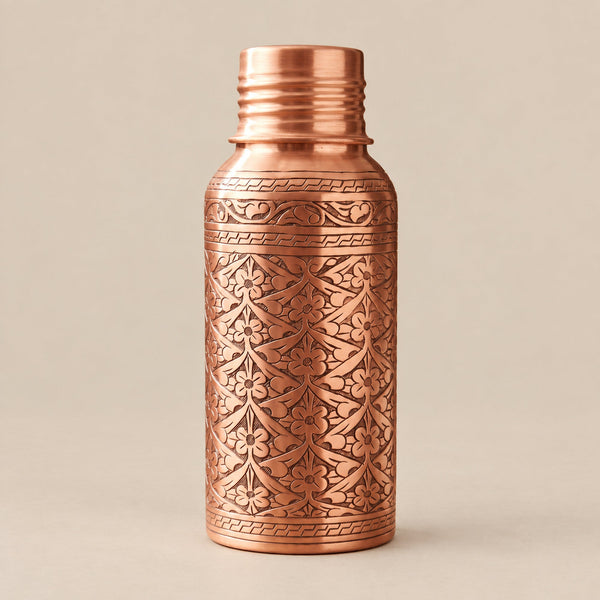
Tip: You can also use the salted lemon with a cloth to reach small crevices or intricate surfaces. This mixture is effective for penetrating the details of your handcrafted items, such as the Hand-Engraved Daisy Pattern Canteen. You can also use an old toothbrush to reach the engraved parts, but be gentle.
Method 2: Vinegar, Salt, and Flour Paste
For heavier tarnishing and larger copper surfaces, this paste mixture is very practical.
- Mix half a cup of white vinegar, 1 tablespoon of fine salt, and 1 tablespoon of flour to create a thick paste. Adjust the consistency with the amount of flour; it should not be too runny or too thick.
- Spread the paste evenly over the copper surface using a cloth or sponge.
- Leave the paste on the copper for about 15-20 minutes. This time will help the mixture dissolve the oxidation.
- After the waiting period, gently scrub the paste off, and you will see the copper shine.
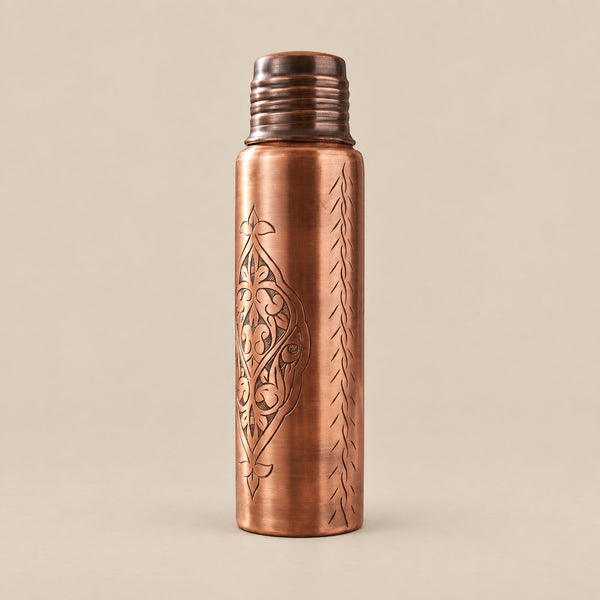
Tip: This paste method can be more practical for large surfaces, such as the Hand-Engraved Lidded Carafe. Make sure to cover the entire surface evenly when applying the paste.
Method 3: Ketchup or Tomato Paste
It may sound surprising, but tomato products are also quite effective for polishing copper. The natural acids contained in tomatoes can dissolve copper oxidation.
- Apply a small amount of ketchup or tomato paste directly to the tarnished copper surface.
- Let it sit for about 10-15 minutes. The acid in the tomato helps to remove the oxidation.
- After the waiting period, remove the ketchup or tomato paste by scrubbing with a soft cloth.
Tip: This method is ideal for lighter tarnishing. However, keep in mind that the sugar in ketchup or tomato paste may leave sticky residue. Therefore, thorough rinsing is essential. You can try this method on large surfaces like copper baking trays.
| Method | Materials | Application Time | Benefit |
|---|---|---|---|
| Lemon & Salt | Lemon, Fine Salt | Fast (5-10 min) | Quick and effective, natural abrasive |
| Vinegar, Salt & Flour | Vinegar, Salt, Flour | Medium (15-20 min) | For heavier tarnish, easy to apply as a paste |
| Ketchup / Tomato Paste | Ketchup or Tomato Paste | Short (10-15 min) | Practical for light tarnish, easy to find |

How Should Copper Products Be Cleaned and Dried After Polishing?
Rinsing your copper products thoroughly with plenty of water after polishing and drying them immediately with a soft cloth is vital to prevent new tarnishing. These steps ensure that the copper retains its shine for a long time.
Rinsing: After the polishing process is complete, be sure to rinse your copper product thoroughly under plenty of warm water. Ensure there is no residue of polishing agents left on the surface. This step is even more important for products used for drinking water, such as the Engraved Copper Cup. Removing all residue is critical for both health and preventing new tarnishing.
Drying: Immediately after rinsing, dry the copper product completely with a soft, clean cloth (a microfiber cloth is ideal). Leaving it to air dry can lead to the formation of water spots and even trigger new tarnishing. Our masters emphasize that keeping copper away from moisture is the key to long-lasting shine. During the drying process, ensure that all corners and crevices of the product are dry.
What Should Be Considered in the Care of Copper Products?
To extend the life of your copper products and protect their shine, you must follow some basic care rules; these rules may vary depending on the intended use of the product. Valuing each handmade piece you receive from Usta Bakırcı is possible with proper care.
- Acidic Foods and Drinks: You should not leave acidic foods and drinks like lemon water, vinegar, or tomato sauce in copper vessels that do not have a tin lining for a long time. Copper can react with acids to form a greenish layer (verdigris). Therefore, unlined copper carafes or copper cups are generally preferred for neutral beverages like water. If you are going to use acidic drinks, it is safer to choose products that are tin-lined inside. Avoid keeping acidic foods in unlined copper except for short-term presentation.
- Dishwashers Are Strictly Forbidden! Never wash your copper products in the dishwasher. The combination of high heat, harsh detergents, and pressurized water in dishwashers damages the natural structure of copper, ruins its color, and accelerates tarnishing. It can even warp the shape of the product or cause serious damage to its tin coating. Handmade copper products deserve careful hand washing, just as they are crafted in our workshop in Gaziantep.
- Stay Away from Chemical Cleaners: Bleach, abrasive cleaners, or wire scouring pads can scratch the copper surface, leading to loss of shine and permanent damage. Always use soft cloths and natural cleaners. A gentle approach is essential to preserve the unique texture and hand craftsmanship of the copper.
- Storage Conditions: Store your copper products in dry, airy places away from humid environments. For products that will not be used for a long time, wrapping them in plastic wrap or a cloth bag to prevent contact with air will delay tarnishing. Avoid leaving them in the open, especially in high-humidity areas like bathrooms or kitchens.
Is the Care of Tin-Lined Copper Products Different?
Yes, the care of the interior of tin-lined copper products differs from that of unlined copper products in some important points; the role of tin is significant, especially in kitchenware.
The Importance of Tin: The inner surfaces of copper pots, pans, and similar items used for cooking are generally coated with tin. Tin prevents direct contact between the copper and food, preventing acidic foods in particular from reacting with the copper. This is of critical importance for both the durability of the product and food safety. Our masters in Gaziantep carefully tin every copper pot and pan intended for cooking. Tinning is a traditional method that ensures copper can be safely used in the kitchen.
Cleaning the Tin Surface: When cleaning the inner surface of tin-lined copper products, you should take care not to damage the tin layer. Abrasive sponges, metal brushes, or harsh chemicals can scratch or peel the tin, exposing the copper. Always use a soft sponge and gentle dish soap for the interior. You can polish the outer copper surface using the natural methods mentioned above. There is no need for special effort for the shine of the inner surface; the important thing is to protect the tin layer.
Renewing the Tin: Over time, the tin layer can wear down due to heavy use or incorrect cleaning methods. If you notice signs such as peeling, dark spots, or if the copper begins to show through, you need to have your product tinned by a professional coppersmith. This ensures that you can continue to use your product safely and protects your health by preventing the copper from contacting food. Tin renewal is an important maintenance task that extends the life of your copper kitchenware.
Does a Dishwasher Damage Copper Products?
Yes, washing your copper products in the dishwasher permanently damages the structure and shine of the product. This is inevitable due to the delicate nature of copper and the aggressive cleaning conditions of dishwashers.
The intense heat cycle, strong chemical detergents, and high-pressure water spray of dishwashers destroy the natural shine of copper, creating irreversible spots and tarnish on the surface. In some cases, it can even warp the product's shape or severely damage the tin coating. Even decorative or presentation items like copper bracelets or copper trays should not be washed in the dishwasher. The hand-crafted nature and aesthetic value of such items can easily be lost in the harsh conditions of a dishwasher. The healthiest and most long-lasting cleaning method is always hand washing. Hand washing with warm water, gentle dish soap, and a soft sponge is the safest way to maintain the beauty of your copper products for years. If you want to use your copper products for a lifetime, you must strictly adhere to this rule.
Maintaining the shine of your handmade copper products from Gaziantep shows the value you place on them. With these simple and natural methods, you can keep your copper canteen, carafe, cups, or pots sparkling like the first day. You can add a traditional touch to your kitchen and home by browsing our best-selling products carefully prepared by our Usta Bakırcı workshop. Remember, proper care is the secret to the timeless beauty of copper.
Master's Note
When preparing our copper products in our workshop, we take great care to ensure that each piece remains as it was on the first day for years. Our masters advise you to avoid scrubbing too hard when polishing your copper and to use a soft cloth on engraved surfaces. Remember, gentle cleaning performed with the right technique preserves the soul of the copper.
Products Mentioned in the Article


Frequently Asked Questions
Why does copper turn green?
Copper can develop a greenish layer called "verdigris" on its surface, especially when kept in humid environments or in prolonged contact with acidic substances. This is a chemical reaction natural to copper.
How often should I polish my copper products?
You should polish your copper products according to the frequency of use and the degree of tarnishing. Generally, a light polish once a month or every few months is sufficient, while frequently used items may require more regular maintenance.
Can tin-lined copper pots be washed in the dishwasher?
No, no copper products, including tin-lined copper pots, should be washed in the dishwasher. High heat and chemicals damage the tin layer and the copper.
What materials should I avoid when polishing copper?
When polishing copper, you should strictly avoid abrasive materials like bleach, harsh chemical cleaners, and metal scouring pads. These can leave permanent damage by scratching the copper surface or causing color changes.
How should I store my copper products so they don't tarnish?
You should store your copper products in a dry, airy place away from moisture. You can delay tarnishing by wrapping items that will not be used for a long time so they are airtight or storing them in a closed cabinet.
How are stubborn stains on copper products removed?
For stubborn stains, you can use more powerful natural mixtures like a lemon and salt paste, let the paste sit for a little longer (20-30 minutes), and scrub gently. Repeat the process if necessary.
Discover: Best Sellers
Best Sellers


