

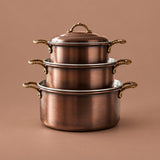
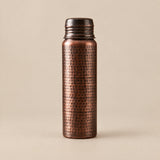


Why Do Copper Products Change Color?

In brief: Copper naturally changes color over time due to oxidation caused by air, moisture, and food. This change is related to the patina layer that forms on the surface of the copper and does not reduce the quality of the product; rather, it gives it a unique character. Contact with acidic foods, in particular, can accelerate this process.
- The color change of copper is a natural oxidation process resulting from contact with oxygen and moisture.
- Tin plating in kitchenware is critical for health as it prevents copper ions from leaching into food.
- You can maintain the shine of your copper products for a long time by regularly cleaning and drying them using natural methods, and you should avoid dishwashers and harsh chemicals.
Kitchenware and accessories handmade from pure copper may lose their eye-catching luster over time and take on different shades. This is a natural process; when copper comes into contact with air and moisture, it forms a thin layer of oxidation on its surface. This change does not mean your products are of poor quality; on the contrary, it demonstrates the vitality and natural structure of the copper.
Every canteen, teapot, pot, and other copper item produced in our workshop in Gaziantep with a tradition of craftsmanship passed down through generations is destined to carry the marks of time and usage. So, why does this color change happen, and what can you do to extend the life of your copper products? As Usta Bakırcı (Master Coppersmith), we would like to share the answers to these questions and our experience from Gaziantep with you.
Why Does Copper Tarnish or Turn a Greenish Color?
The tarnishing of copper or its turning into a greenish color is a natural result of oxidation, which is a chemical reaction. When copper metal comes into contact with oxygen and moisture in the air, it forms a copper oxide layer on its surface. While this layer initially takes on a dark brown or near-black color, it can turn into a greenish patina layer in cases of prolonged exposure to intense moisture. The fact that the copper hammered in our workshop loses its first-day shine over time is a sign that it is pure and interacting with nature.
This process is accelerated, especially in humid environments. For example, copper bracelets used in humid areas like bathrooms or teapots constantly exposed to steam in the kitchen may show color changes faster than other products. However, this situation does not affect the durability or functionality of the product. On the contrary, in some cultures, this patina layer is specifically sought after and admired because it gives copper items an antique and valuable appearance.
Every product we produce in our Usta Bakırcı workshop, such as the Round Red Handmade Pure Copper Canteen 750 ml, will experience this natural change over time. The important thing is to understand the nature of this change and to extend the life of your product by cleaning and caring for it correctly.
What Are the Factors That Affect the Color of Copper Products?
The change in the color of copper is not due to a single cause; various environmental and usage factors can accelerate or slow down this process. The observations and experiences of our masters in Gaziantep help us better understand these factors:
- Air and Moisture: The contact of copper with oxygen and water vapor is the most fundamental factor. Oxidation progresses faster, especially in humid regions such as the seaside or areas with industrial pollution.
- Foods and Liquids: Food and beverages stored or cooked in copper vessels, especially acidic ones, react with the copper surface and accelerate the color change. Acidic substances such as lemon juice, vinegar, and tomatoes can cause copper to tarnish or stain. For this reason, it is very important not to leave acidic foods in tin-unplated copper products for a long time.
- Chemicals: Cleaning products, especially bleaching agents like bleach or harsh chemicals, can disrupt the natural structure of copper and lead to permanent color changes and stains. Such substances should definitely be avoided.
- Skin Contact: In products that come into direct contact with the skin, such as copper bracelets, natural oils on the skin, sweat, and cosmetic products can change the color of the copper faster. This is entirely related to personal chemistry and does not stem from poor product quality.
- Temperature Changes: Exposure to high temperatures can accelerate the oxidation process of copper. For example, a rice pot used on the stove will show a different color change than a decorative item that only comes into contact with air.
The combination of these factors causes each copper product to develop its own unique patina. This is actually one of the features that makes your copper product unique.

Why Is Tin Plating Important for Copper Kitchenware?
Copper has a special place in our traditional kitchens, but when it comes to cooking and storing food, tin plating is of vital importance. For those who wonder why we tin-plate the inner surfaces of the pots, pans, coffee pots, and some pitchers that we produce in our workshop, let us explain:
Although copper is a metal that conducts heat very well, it carries the risk of copper ions leaching into food when it comes into direct contact, especially with acidic foods and drinks. The intake of high amounts of copper ions can lead to some health problems. This is exactly where tin plating comes into play. Tin is a less reactive metal than copper and creates a barrier between the copper and the food.
Benefits of Tin Plating
| Benefit | Description |
|---|---|
| Health Safety | It prevents copper from reacting with acidic foods and leaching copper ions into them, thus ensuring that meals are cooked safely. |
| Durability | It protects the surface of the copper against scratches and abrasion, extending the life of the product. |
| Easy Cleaning | Tin surfaces are easier to clean as they are less reactive than the natural oxidation of copper. |
| Heat Distribution | It maintains copper's excellent heat conductivity while cutting off direct contact between the inner surface and food. |
In our workshop, the tin plating process is carefully performed by our masters using traditional methods and pure tin. In this way, we both preserve the aesthetic and functional properties of the copper and offer safe use in the kitchen. Tin plating can wear out over time. If you see peeling, tarnishing, or cracking in the tin, remember that your product needs to be re-tinned. This will both extend the life of your copper items and maintain their healthy use. For example, you can see this plating in products like our Black Handmade Tin-Plated Copper Pitcher with Lid 1.5 L.
What Should Be Done to Preserve the Natural Color of Copper Products?
Although it is impossible to completely maintain the first-day shine of your copper products, our masters have practical advice for slowing down the oxidation process and preserving its aesthetic appearance for a long time:
- Keep Dry: Moisture is copper's greatest enemy. Always dry your copper products thoroughly after use. Pay attention to this rule, especially for products with high liquid contact like copper cups or pitchers.
- Reduce Air Contact: You can slow down oxidation by storing decorative copper objects or jewelry that will not be used for a long time in an airtight box or cloth bag.
- Keep Away from Acidic Substances: Do not leave acidic foods and drinks such as lemon, vinegar, and tomatoes in non-tinned copper products for a long time. This both changes the color of the product quickly and can pose a health risk.
- Use Correct Cleaning Products: Prefer products specifically formulated for copper cleaning or traditional methods. Abrasive sponges, wire brushes, or chemical bleaching agents will damage the copper surface.
- Perform Regular Maintenance: Cleaning and polishing your copper products at regular intervals prevents the buildup of oxidation and maintains their shine. Even a simple cleaning done once a week or every two weeks makes a big difference.
By following these steps, you can extend the life of your handcrafted copper products from Gaziantep and show them the care they deserve. Remember, proper maintenance is the key to preserving the beauty and value of your copper products for years.
How Should Copper Products Be Cleaned and Maintained?
Knowing the correct cleaning and maintenance methods is crucial to restoring the shine of your copper products and extending their lifespan. We are sharing the practical methods developed by our masters in Gaziantep with their years of experience:
-
Polishing with Natural Methods:
- Lemon and Salt: Cut half a lemon and sprinkle plenty of salt on it. Gently rub the copper surface with this lemon. You will see how the tarnished areas shine. Then, rinse with plenty of water and dry thoroughly with a soft cloth. This method is highly effective, especially for tarnished copper surfaces.
- Vinegar and Salt/Bicarbonate: Mix some vinegar (preferably apple cider vinegar) with salt or bicarbonate to make a paste. Apply this paste to the copper surface with the help of a cloth, let it sit for 10-15 minutes, and then scrub thoroughly. Rinse with plenty of water and dry.
- Copper Cleaning Pastes: There are also cleaning pastes produced specifically for copper on the market. You can clean your copper by following the usage instructions for these products.
- Rinsing and Drying: After the cleaning process, be sure to rinse your copper product with plenty of warm water. Ensure that no cleaning agent residue remains on it. Then, dry thoroughly with a soft, lint-free cloth (a microfiber cloth is ideal). This step is very important to prevent water spots from forming.
- Never Use Dishwashers or Bleach: Washing your copper products in the dishwasher causes serious damage to the surface of the product and the tin plating due to high temperature, harsh detergents, and pressurized water. Likewise, strong chemicals like bleach destroy the structure of copper and lead to permanent stains and tarnishing. Such methods should definitely be avoided.
- Regular Maintenance: Cleaning and polishing your copper products regularly, once a week or every two weeks, prevents deep oxidation and maintains their shine. This regular maintenance is very important, especially for frequently used items like the Black Handmade Copper Cup 400 ml Cold Drink Cup.
With these simple steps, you can use your handmade copper products from Gaziantep for years with their first-day glory and witness their story.
Is It Harmful to Health if the Color of Copper Changes?
The change in color of copper products, i.e., oxidation, is a natural process for the product itself and usually does not pose a direct health risk. However, an important distinction must be made here: kitchenware and decorative/accessory products.
Kitchenware (Pots, Coffee Pots, Pitchers, etc.): The inner surfaces of copper products used for cooking or storing drinks are generally coated with tin. This tin coating prevents direct contact of copper with acidic foods and prevents the passage of copper ions into food. If the tin coating is worn, scratched, or peeled, contact between the copper and the food increases. In this case, it is not recommended to keep or cook acidic foods such as lemon, vinegar, and tomatoes in copper for a long time. Excessive copper intake can lead to stomach discomfort. Therefore, re-tinning kitchenware with damaged tin plating is important for health. For example, we emphasize the importance of tin in our tinned products like the Black Hammered Pattern Handmade Pure Copper Pitcher 1.5 L.
Decorative Products and Accessories (Bracelets, Trays, Wall Decor, etc.): The color change in products such as copper bracelets or copper trays that do not have direct food contact is purely an aesthetic matter. The greenish color formed as a result of the contact of copper with the skin is a natural consequence of copper oxidation and is generally harmless. This color can be easily removed with soap and water. Although it is known that copper is traditionally preferred for some health benefits, as Usta Bakırcı, we refrain from making any medical claims and focus on the craftsmanship and aesthetic value of our products.
In summary, the color change of copper is a natural process. It is sufficient to ensure that the tin plating on your kitchenware is intact and not to keep acidic foods in untinned copper for a long time. The color change in your other copper products is entirely related to your personal preference and maintenance habits.
These handcrafted copper products from Gaziantep are not just items, but also heirlooms. If you would like to be a part of their story and add a traditional touch to your kitchens, you can take a look at the products in our best-sellers category. Discover the unique beauty and warmth of copper!
Master's Note
Every piece of copper hammered in our workshop tells its own story with its color over time. Remember, the most important tip to maintain the first-day shine of your copper items is to rinse with plenty of water after each use and dry thoroughly with a cotton cloth; moisture is copper's greatest enemy.
Products Mentioned in the Article


Frequently Asked Questions
Why does copper turn green?
When exposed to humid air and oxygen for a long time, copper forms a greenish layer on its surface, known as patina. This is a natural reaction of copper.
Can you cook food in a copper pot that is not tin-lined?
It is not recommended to cook or store acidic food and beverages for long periods in copper pots that are not tin-lined, as copper ions may leach into the food.
Does the tarnishing of copper indicate poor product quality?
No, the tarnishing or discoloration of copper is a natural oxidation process of pure copper and does not mean that the product is of poor quality.
Can copper products be washed in the dishwasher?
Absolutely not. The high temperature and harsh detergents of a dishwasher can damage the copper surface and the tin lining, leading to permanent damage.
Why do copper bracelets turn my skin green?
Copper bracelets may slightly oxidize when in contact with natural skin oils and sweat, leaving a greenish stain on your skin. This is harmless and can be easily cleaned off with soap.
How often should I clean my copper products?
Depending on how often you use them, cleaning and polishing your copper products with natural methods once a week or every two weeks will be sufficient to maintain their shine.
Discover: Bestsellers
Best Sellers


