



How to Remove Stains from Copper?

In brief: It is inevitable that your pure copper products will lose their shine and tarnish over time. However, do not worry; with traditional and practical methods we have learned from our masters in Gaziantep, it is quite easy to restore your copper to its original sparkle. You can safely clean copper stains with natural materials found in your home, such as lemon, salt, vinegar, and baking soda.
- Use natural materials like lemon, salt, vinegar, baking soda, and flour to remove copper stains.
- Avoid abrasive substances when cleaning tinned copper products, and never use a dishwasher.
- Regular cleaning, thorough drying, and proper storage conditions are important to maintain the shine of copper.
It is inevitable that your pure copper products will lose their shine and tarnish over time. However, do not worry; with traditional and practical methods we have learned from our masters in Gaziantep, it is quite easy to restore your copper to its original sparkle. You can safely clean copper stains with natural materials found in your home, such as lemon, salt, vinegar, and baking soda.
Why Does Copper Stain and Tarnish?
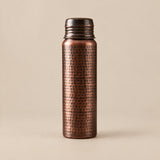
By its nature, copper is a metal prone to oxidation when in contact with air. This oxidation process is the main reason for the dark stains and tarnishing that form on the surface of copper over time. The copper pots and pans we use in the kitchen, water dispensers, pitchers, and even decorative copper bracelets are all affected by this natural process. Exposure to humidity, heat, and food, in particular, can accelerate this process. For example, if you leave your Round Handmade Pure Copper Canteen with Silver Tin Lining 750 ml outdoors or in a humid environment for a long time, you may notice greenish or brownish stains forming on its surface. These stains are a result of the copper's natural reaction and can be easily cleaned with the right methods.
Which Materials Should Be Used for Copper Cleaning?
Although there are many specialized products on the market for copper cleaning, you can achieve wonderful results with natural, economical, and eco-friendly materials that our masters in Gaziantep have used for hundreds of years. The important thing is to use the right materials in the right proportions and gently. Here are the basic materials we frequently use in our workshop:
| Material | Purpose of Use | Masters' Note |
|---|---|---|
| Lemon and Salt | A powerful duo for mild tarnishing and oxidation. The acidic structure of lemon combines with the abrasive effect of salt. | "Cut the lemon in half, sprinkle salt on it, and apply it directly to the copper. For items with intricate workmanship, such as Handmade Engraved Copper Cup Silver Colored 300 ml, using a brush yields better results." |
| Vinegar and Salt/Baking Soda | Effective for more stubborn stains and greening. The acidic power of vinegar combines with the cleansing property of baking soda. | "It is important to turn the mixture into a paste. It should not be too watery. It needs to be distributed evenly, especially on large surfaces like the Oval Engraved Red Tinned Pure Copper Teapot 2 L." |
| Flour and Vinegar/Lemon | By creating a paste consistency, it allows it to adhere to the copper surface longer, increasing the cleansing effect. | "Applying this paste and waiting for 15-20 minutes is ideal for deep cleaning. Rinsing afterwards is very important." |

Traditional and Practical Solutions for Copper Stains
We are sharing with you, step by step, the methods we use in our workshop that are passed down from generation to generation, which are both effective and harmless to your copper.
1. Polishing with Lemon and Salt
This method is great, especially for light tarnishing and dullness on the surface. It is quite effective in restoring the natural luster of copper.
- Cut a lemon in half.
- Sprinkle plenty of fine salt (table salt) on one of the cut surfaces of the lemon.
- Gently rub the salted lemon directly onto the stained areas on the copper surface. Be sure to scrub with circular motions. Be careful when cleaning the inner surface of drinking vessels, such as the Handmade Black Copper Cup 400 ml Cold Drink Cup.
- Once you see the stains are removed, rinse the copper thoroughly under warm water. Ensure no salt residue remains.
- Dry and polish with a soft, clean cloth.
Master's Tip: For very stubborn stains, you can mix lemon juice and salt to make a paste and apply it with a sponge or a soft brush. Rinse and dry after waiting about 5 minutes.
2. Deep Cleaning with Vinegar, Salt, and Flour
This paste method is quite strong for heavier oxidation and greening. Flour allows the mixture to adhere better to the copper surface.
- In a large bowl, mix half a cup of white vinegar, one tablespoon of salt, and two tablespoons of flour. Mix until it reaches a paste consistency. If necessary, adjust the consistency by adding flour or vinegar.
- Spread the prepared paste evenly over the stained copper surface. Using a brush makes the job easier, especially on large surfaces.
- Let the paste sit on the copper for at least 15-20 minutes. For very stubborn stains, you can extend this time up to 30 minutes.
- After the waiting period, rinse the paste off thoroughly under warm water. If necessary, you can gently scrub with a soft sponge.
- Dry and polish your copper completely.
Master's Tip: You can prefer this paste especially for tarnish on the outer surfaces of kitchenware such as teapots or pots. If there is tin plating on the inner surfaces, avoid applying acidic cleaners directly to the tinned surfaces.
3. Dealing with Light Stains with Baking Soda and Lemon/Vinegar
For lighter stains and to refresh the overall shine of the copper, a mixture of baking soda and lemon/vinegar is ideal.
- In a bowl, mix two tablespoons of baking soda with a little lemon juice or white vinegar to obtain a thick paste.
- Apply this paste to the copper surface with the help of a soft cloth or sponge.
- Rub gently and rinse with warm water once you see the stains disappear.
- Dry your copper thoroughly.
Important Note from Our Masters: When cleaning your copper products, never use metal wire, hard brushes, or abrasive cleaners. Such materials can scratch the surface of the copper and lead to permanent damage. Always prefer soft cloths, sponges, or brushes.
What Should You Pay Attention to When Cleaning Your Copper Products?
To extend the life of your copper products and protect their beauty, it is necessary to pay attention to some important points during cleaning. We want every piece handcrafted in our workshop in Gaziantep to accompany you for years with proper care.
- Tin Plating: The inner surfaces of our products, especially pots, teapots, and some pitchers used for cooking and serving, are coated with food-safe tin. Tin plating plays a critical role in terms of both health and product longevity by preventing direct contact between copper and food. Avoid abrasive substances when cleaning tinned surfaces. Tin is a more delicate metal than copper and can be scratched. Wash gently with only a soft sponge and dish soap. Do not let acidic cleaners sit on tinned surfaces for a long time.
- Acidic Foods and Drinks: Avoid leaving acidic foods and drinks such as lemon, vinegar, and tomato in copper vessels for a long time. Such substances can cause rapid oxidation and greening on copper surfaces that do not have tin plating. If you are using a tinned product, it may shorten the life of the tin. We recommend that you empty and clean your copper vessels immediately after cooking your meals or serving your drinks.
- Dishwasher Ban: Never wash your copper products in the dishwasher! The high temperature, harsh detergents, and water pressure of the dishwasher can cause serious damage to the surface of the copper and the tin plating if present, accelerate tarnishing, and shorten the life of the product. Always wash by hand with warm water and mild dish soap.
- Bleach and Whiteners: Definitely avoid using bleach, products containing ammonia, or other harsh chemicals for copper cleaning. These substances can discolor the copper, create permanent stains on its surface, and damage the structure of the metal. Natural methods are always the safest and most effective solutions.
Tips for Maintaining the Shine of Copper for a Long Time
Ensuring your copper products shine like the first day is not just about cleaning; regular maintenance and proper usage habits are also very important. Here are some additional tips distilled from the experience of our masters in Gaziantep:
- Regular Cleaning: Cleaning your copper products immediately after use prevents stains from deepening. It will be sufficient to wash items used daily, such as copper cups and canteens, with warm water and a soft cloth after each use.
- Thorough Drying: One of the biggest enemies of copper is moisture. After washing, be sure to dry your copper products completely with a soft and dry cloth. Allowing them to air-dry can lead to water spots and oxidation. In our workshop, every product is meticulously dried with special cloths after the polishing process.
- Proper Storage Conditions: Store your copper products in a dry place away from moisture. Storing products that will not be used for a long time in an airtight manner (for example, in a cloth bag) can slow down oxidation.
- Natural Protectants: Some of our masters prefer to protect the shine by applying a very thin layer of olive oil to the cleaned and dried copper surface. This creates a thin barrier on the copper surface, reducing contact with air. However, after applying this method, you may need to clean the parts of the copper that will come into contact with food again. Therefore, it is more suitable for presentation products or decorative items that do not come into contact with food.
- Periodic Polishing: Polishing your copper products periodically (monthly or every few months depending on frequency of use) with the natural methods we mentioned above is important to preserve their vitality. This prevents the formation of deep stains and reveals the natural beauty of the copper.
Every piece of pure copper product that comes from the hands of our masters in Gaziantep is not just an object, but also a piece of heritage. By showing them proper care, you can preserve the beauty and durability of this heritage for generations. Remember, the better your copper products are cared for, the longer they will accompany you with their original sparkle. Continue to discover the beauty of your handmade copper products by applying our care tips.
Master's Note
In our workshop, we always dry our copper products completely with a dry and soft cloth after cleaning to ensure they are long-lasting. This simple step helps the copper maintain its natural shine by preventing water spots and new oxidation.
Products Mentioned in the Article


Frequently Asked Questions
Why does copper tarnish?
Copper naturally oxidizes when it comes into contact with air, resulting in dark tarnishing or greenish stains on its surface. Exposure to humidity, heat, and food can accelerate this process.
Can I use chemical products for copper cleaning?
No, you should definitely avoid bleach, products containing ammonia, or other harsh chemicals when cleaning copper. These substances can discolor the copper and damage its surface.
How should tinned copper products be cleaned?
Wash the inner surfaces of tinned copper products gently with only warm water and mild dish soap. Tin is more delicate than copper; avoid abrasive substances and prolonged contact with acidic cleaners.
Are copper products dishwasher safe?
No, never wash your copper products in the dishwasher. High temperatures, harsh detergents, and water pressure damage the copper surface and tin plating, shortening the product's life.
How can I polish my copper products after cleaning?
After you have completely dried the cleaned copper product, you can increase its shine by applying a very thin layer of olive oil or rubbing it with a dry cloth.
Discover: Canteens
Best Sellers


