



How to Store Copper Products?

In brief: The key to keeping your copper products long-lasting and shiny lies in ensuring proper storage conditions. By keeping them away from moisture in a dry and well-ventilated place, you can delay tarnishing and preserve their original beauty.
- Before storing your copper products, be sure to clean and dry them completely to prevent moisture from accelerating oxidation.
- Store them in a cool, dry environment away from direct sunlight and excessive humidity, preferably in an airtight manner.
- Take care not to damage the inner surface of tin-lined products and use desiccants like silica gel for long-term storage.
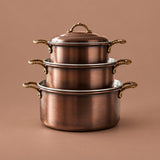
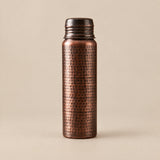
The key to keeping your copper products long-lasting and shiny lies in ensuring proper storage conditions. By keeping them away from moisture in a dry and well-ventilated place, you can delay tarnishing and preserve them with their original beauty. Every pure copper product, such as the canteen and pot carefully hammered in our workshop in Gaziantep, is a heritage that can be used for generations. Reviewing your storage habits to preserve the value of this heritage will provide you with great long-term benefits.
How to Clean Copper Products Before Storing Them?
You must clean copper products properly before storing them. Remaining food or beverage residues can cause stains and tarnishing on the copper surface over time. Our masters in Gaziantep recommend traditional cleaning methods to preserve the natural beauty of copper.
- Washing: Gently wash your copper products with warm water and mild dish soap. Never use a dishwasher; high temperatures and harsh detergents damage the structure of the copper, degrade the tin lining, and cause it to lose its shine.
- Rinsing: After washing, rinse thoroughly with plenty of water. Ensure no detergent residue remains.
- Drying: One of the most important steps is to dry your copper product completely. Dry it with a soft cotton cloth and ensure every part is moisture-free before letting it air dry. Pay special attention to narrow and hard-to-reach corners to ensure no water droplets remain. Moisture causes copper to oxidize and tarnish rapidly.
- Polishing (Optional): If you notice slight tarnishing on your product, you can restore its shine using natural polishes (such as a mixture of lemon and salt) before storing it. However, while doing this, be careful not to damage the tinned parts of the product. Wipe the tin-lined inner surfaces only with a soft cloth.
For instance, when cleaning a canteen, ensuring that the interior is completely dry is critical to preventing the formation of odors or stains.
In What Environment Should Copper Kitchenware Be Stored?
Copper kitchenware should be stored in a cool, dry environment away from direct sunlight and excessive moisture. Copper naturally oxidizes and tends to tarnish when it comes into contact with air. This is a natural characteristic of copper and does not damage the quality of the product, though it may affect its aesthetic appearance.
Recommendations for Storage Environment:
- Dry and Ventilated Places: Kitchen cabinets, pantries, or display cases are ideal for copper products. Avoid places with high humidity such as bathrooms or laundry rooms.
- Protection from Direct Light: Sunlight or bright artificial light can accelerate the copper's tarnishing process. Therefore, place your products so they are not exposed to direct light.
- Reducing Air Contact: If you are not going to use your copper products for a long time, storing them in an airtight manner significantly slows down tarnishing. For this, you can use special fabric bags, stretch film, or airtight containers. This method is highly effective for pieces where aesthetics are a priority, such as presentation products.
- Keeping Away from Chemicals: Cleaning materials, perfumes, or other chemical vapors can damage the surface of the copper and leave stains. Take care to keep your copper products away from such substances.

Is There a Difference in Storing Copper-Plated Products?
Yes, there are some differences and points to consider when storing copper-plated products. These differences are especially important for kitchenware such as pots, coffee pots, or pitchers with tin-lined interiors. Tin prevents the copper from coming into direct contact with food and drinks, thereby both extending the life of the product and ensuring usage safety.
| Feature | Tin-Lined Copper Products | Uncoated Copper Products (Decorative/Outer Surface) |
|---|---|---|
| Intended Use | Suitable for food and beverage contact (e.g., rice pot, pitcher) | Decorative, presentation, or dry food storage (e.g., outer surfaces, copper bracelets) |
| Cleaning | The inner surface should be cleaned with a soft cloth and detergent that will not damage the tin. The outer surface is like standard copper cleaning. | The entire surface is suitable for copper cleaning; harder abrasives can be used (only for polishing). |
| Pre-Storage Check | Check for scratches or wear in the tin lining. You should have damaged tinned products re-tinned before using them for food contact. | Check for deep scratches or deformation on the surface. |
| Storage Environment | Store in a dry and cool place away from moisture. Although the tin lining is more resistant to moisture, the outer copper surface will still oxidize. | Store in a dry and cool place away from moisture. Reducing contact with air slows down tarnishing. |
| Acidic Foods | Thanks to the tin lining, you can store or cook acidic foods for short periods. However, long-term storage is still not recommended. | Direct contact with acidic foods and beverages should be strictly avoided. (Lemon, vinegar, tomatoes, etc.) |
Remember, the tin lining is a protective shield, and maintaining its integrity will extend the life of your copper product. Instead of using a product with a damaged tin lining, seeking support from our masters in Gaziantep to have it re-tinned is important for both the health of your product and your own health.
How Should Copper Jewelry and Accessories Be Stored?
Copper jewelry and accessories can naturally change color and form a greenish layer (patina) when they come into contact with our skin or remain in the air for a long time. This is a natural reaction of copper and does not mean the product is of poor quality. However, it is important to store them correctly for aesthetic reasons or to prevent allergic reactions.
Tips for Storing Jewelry and Accessories:
- Airtight Bags: Storing your copper bracelet, rings, or earrings in small, airtight zipper bags significantly slows down oxidation and tarnishing. Storing each piece separately also prevents scratches.
- Dry Environment: Keep your jewelry away from humid environments like bathrooms. Moisture accelerates the tarnishing process. Bedroom or dressing room drawers would be more suitable.
- Fabric Bags or Boxes: If you do not want to use airtight bags, jewelry boxes with soft fabric linings or cloth bags are also a good option. This both prevents the jewelry from getting scratched and reduces air contact to some extent.
- Keeping Away from Chemicals: Chemicals like perfumes, hairsprays, and lotions should not come into direct contact with copper jewelry. Put your jewelry on after using such products.
- Drying After Cleaning: After cleaning your copper jewelry (especially with natural polishes), be sure to dry it completely with a soft cloth. Leaving it damp accelerates tarnishing.
Remember, slight tarnishing on your copper jewelry is part of its story. However, if you wish to maintain its shine for a long time, these storage methods will help you.
What Are Special Tips for Copper Not Used for a Long Time?
If you are not going to use your copper products seasonally or for a long period, preparing and storing them correctly is the key to maintaining their original beauty. Our workshop's masters recommend special care in this regard.
- Comprehensive Cleaning and Drying: Follow the cleaning steps mentioned above meticulously. Make sure there is not the slightest residue of dirt, oil, or moisture on the product. Especially for products with interior surfaces such as pitchers or copper cups, dry the interior parts thoroughly.
- Airtight Packaging: The most effective way to prevent copper from oxidizing is to cut off its contact with air. You can wrap each product individually in stretch film or use vacuum bags. If this is not possible, wrap them in a cotton cloth and then place them in a thick bag and seal it tightly.
- Silica Gel Packets: Adding small silica gel packets (desiccants) inside the packaging helps absorb residual moisture and further delays tarnishing. This is a very valuable tip, especially for those living in humid climates.
- Dark and Cool Storage: Store your products in a place away from direct sunlight, at a stable temperature, and free from moisture. A pantry, storage room, or rarely used cabinet may be suitable for this purpose. Extreme temperature changes can also negatively affect the surface of the copper.
- Periodic Check: Check your stored products occasionally. If you notice any dampness or unexpected tarnishing, take the product out, clean and dry it again, and repackage it.
By following these steps, you can continue to use your handmade copper products from Gaziantep with their original sparkle even after years. Remember, a well-cared-for copper product is not just an item, but a life companion.
Every copper piece carefully produced in our workshop in Gaziantep carries a value that will last for generations with proper care and storage. To discover these handmade products and add them to your life, you can visit our best-sellers category. Continue to feel the warmth and elegance of copper in your home.
Master's Note
One of the most important steps for ensuring the longevity of every copper product hammered in our workshop is drying it with a cotton cloth after cleaning, ensuring every point remains moisture-free. Moisture remaining in carvings and patterns can accelerate the natural tarnishing process of copper.
Products Mentioned in the Article


Frequently Asked Questions
Why do copper products tarnish?
Copper naturally oxidizes when it comes into contact with air and forms a dark layer on its surface; this is a natural process and does not mean the product is of poor quality.
How to polish tarnished copper products?
You can restore the shine of your tarnished copper products by gently rubbing them with a mixture of lemon and salt or special copper polishes, then rinsing and drying them thoroughly.
Is it suitable to store copper kitchenware in a cabinet?
Yes, it is ideal to store copper kitchenware in dry, well-ventilated kitchen cabinets that are not exposed to direct sunlight.
Can I store my copper jewelry in the bathroom?
No, you should store your jewelry in a dry room in airtight bags, as humid environments like bathrooms cause copper jewelry to tarnish faster.
What should I do if the tin on tin-lined copper products is damaged?
You should not use your copper products with damaged tin linings for food contact and should have them re-tinned by a professional coppersmith.
Is it useful to use stretch film when storing copper products?
Yes, especially for copper products that will not be used for a long time, wrapping them in stretch film to prevent air contact significantly delays oxidation and tarnishing.
Explore: Kitchen Accessories
Best Sellers


