



How to Choose the Best Copper Pot?

In short: When choosing the best copper pot, you should first pay attention to whether it is made of pure, hand-hammered copper, whether the interior surfaces that come into contact with food are tinned, and the quality of the craftsmanship. The thickness of the pot is of great importance in terms of distributing heat evenly and ensuring longevity.
- Pots made of pure, hand-hammered copper with tinned interiors should be preferred for food safety and longevity.
- Real copper pots can be distinguished by their weight, vivid color, and visible hand-hammering marks.
- You can extend the life of your copper pots by washing them by hand with a soft sponge and natural cleaners, and you should avoid leaving acidic foods in them for a long time.
How to Choose the Best Copper Pot?
Copper pots, which add warmth and flavor to kitchens, are valuable heirlooms that can be used for generations if chosen correctly. When choosing the best copper pot, you should first pay attention to whether it is made of pure, hand-hammered copper, whether the interior surfaces that come into contact with food are tinned, and the quality of the craftsmanship. The thickness of the pot is of great importance in terms of distributing heat evenly and ensuring longevity.
What Features Should You Look For When Choosing the Best Copper Pot?
The key features you should pay attention to when buying a copper pot directly affect both your cooking experience and the life of the product. These features, shaped by the knowledge and experience of our masters in our workshop in Gaziantep, are the key to the quality of our products.
- Material Quality: Pure Copper: Some products on the market may be copper alloys or copper-plated. However, pots that honor traditional recipes, conduct heat the best, and are long-lasting are made of 99.9% pure copper. Pure copper speeds up heating and distributes heat evenly to every point of the pot, ensuring your food cooks more balanced.
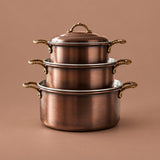
- Hand Craftsmanship: Hammered Copper: Unlike factory-made products, hand-hammered copper pots are shaped by every hammer blow of our masters. This hammering process tightens the structure of the copper, increases its durability, and adds a unique aesthetic to the pot. The hammer marks are an indication that the pot is not just a kitchen utensil but also a piece of art. For example, you can clearly see this meticulous craftsmanship in our products such as the Heavy Embossed Red Hand-Hammered Pure Copper Pot.
- Interior Surface Coating: Tin: It is vital that the interior surface of copper pots is tin-coated. Tin prevents copper from coming into direct contact with acidic foods, thus ensuring food safety. The traditionally applied tinning process extends the life of the pot and provides a healthy cooking environment.
A copper pot you choose by paying attention to these features will become an heirloom in your kitchen, going beyond being just a utensil. By browsing the products in our pots and pans category, you can discover many options that meet these criteria.

How to Identify a Real Copper Pot?
Distinguishing a real copper pot is important, especially when there are products of varying quality on the market. As master coppersmiths, we can give you some tips to understand if a pot is truly made of quality copper.
- Weight and Thickness: A pure and high-quality copper pot should be noticeably heavy. This weight indicates that the pot was produced using sufficient thickness of copper. Thin copper pots do not distribute heat well and can easily deform. Generally, the ideal copper thickness for cooking pots ranges between 1.5 mm and 2 mm.
- Color and Luster: Real copper has a distinct, warm, reddish-brown color. It should have a bright and vivid appearance and should not have matte or pale areas (excluding oxidation). Excessively shiny, mirror-like surfaces can sometimes be a sign that it is only copper-plated.
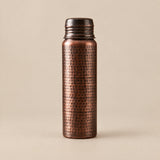
- Hammer Marks and Craftsmanship: In handmade hammered copper pots, there are slight indentations and protrusions on the surface, known as hammer marks, resulting from the masters' hammer strikes. These marks indicate that the pot was not machine-made but came from the hands of a real artisan. Each hammer mark is the character of the product.
- Sound Test: When you lightly tap the edge of the pot, it should emit a solid and deep sound. Thin, flimsy copper pots may produce a more high-pitched and metallic sound.
By paying attention to these details, you can own a real handcrafted copper pot that will add value to your kitchen. The masters of our Gaziantep workshop offer carefully crafted products that meet these criteria and are among our best sellers.
Why Should the Interior of Copper Pots Be Tinned?
The tin coating on the interior surface of copper pots is not just a traditional practice, but a critical requirement for health and safety. The answer to this question lies in the chemical properties of copper.
Copper can react when it comes into direct contact with acidic foods (such as lemon, vinegar, tomato-based sauces, or yogurt). As a result of this reaction, copper can oxidize and transfer into the food, which can lead to undesirable health consequences. This is precisely where tin coating comes into play.
Tin acts as a barrier between copper and food, preventing copper from leaching into the dishes. In this way, you can cook safely in your copper pot and enjoy traditional flavors. While the life of the tin coating varies depending on the frequency of use and maintenance, it is generally recommended to be renewed every 5-10 years. Our masters emphasize that you should have your pot re-tinned when you see that the tin coating is wearing out. For example, our products such as the Black 4-Piece Hand-Hammered Tinned Pure Copper Pot Set are produced with the importance of tin coating in mind.
Important Safety Note: Be careful not to cook acidic foods in copper pots with worn or damaged tin coatings. Also, avoid leaving acidic foods in copper pots for long periods. It is best to transfer the food to another container after the cooking process is finished.
How Important Are the Thickness and Size of a Copper Pot?
When choosing a copper pot, the thickness and size of the product are important factors that directly affect cooking performance and ease of use. These two features determine the quality of your experience in the kitchen.
Pot Thickness: The Secret to Heat Distribution
- Ensures Even Heat Distribution: Thick copper spreads heat homogeneously from the base to the sides. This ensures that every part of your food cooks at the same rate, reducing the risk of burning or sticking. This feature is vital, especially for rice, stews, or dishes cooked on low heat for long periods.
- More Durable: Thick copper is less affected by impacts and high temperatures, thus extending the life of your pot. Generally, copper pots with a thickness of 2 mm and above are considered ideal for professional use, while 1.5 mm thickness may be sufficient for home use.
- Retains Heat Better: Thick copper keeps the food warmer for longer, which provides an advantage during presentation.
Pot Size: Choosing the Right One for Your Needs
The size of the pot should be determined according to your kitchen needs and cooking habits. In the richness of Gaziantep cuisine, it is as if every dish has its own special pot.
- Small Size Pots (1-2 Liters): Ideal for single servings or small portions, sauces, and breakfast pans. For example, products like the Red Hammered Pure Copper Rice Pot (20-25 cm) offer practical solutions for small families.
- Medium Size Pots (3-5 Liters): These are the most preferred sizes for daily cooking, rice, soups, and vegetable dishes. They are very useful for nuclear families.
- Large Size Pots (5 Liters and Over): Suitable for large gatherings, special invitations, meat dishes, stews, or winter preparations. Especially copper sets can meet your needs for pots of different sizes at once.
A copper pot chosen in the right thickness and size will not only look stylish in your kitchen but also add a unique flavor to your meals. You can also find stylish and useful pot options suitable for these criteria among our home gift sets.
What Are the Tips for the Use and Care of Copper Pots?
Correct use and maintenance are of great importance to extend the life of your copper pot and preserve its first-day shine. With the information we have received from our masters, let us explain step-by-step how to take good care of your copper pots.
Correct Use
- Heat Source: Copper pots can be used on gas stoves, electric stoves, and in the oven. However, they cannot be used on induction stoves without a special adapter.
- Avoid Overheating: Leaving an empty copper pot on high heat for a long time can damage the tin coating. Always heat it when there is food or liquid inside.
- Acidic Foods: As we mentioned before, do not cook acidic foods in pots with worn tin coatings, and transfer the food to another container after cooking.
Proper Care and Cleaning
You can follow the steps below to maintain the shine and ensure the hygiene of your copper pots:
- Wash by Hand: Copper pots should never be washed in the dishwasher. The high temperature and harsh detergents of the dishwasher will ruin the color of the copper and damage the tin coating.
- Use a Soft Sponge: Wash the pot by hand using warm water and a gentle dish soap with a soft sponge or cloth. Hard brushes or metal scrubbers can scratch both the outer surface of the copper and the tin coating.
- Natural Cleaners: You can use natural methods to clean tarnish and stains on the outer surface of the copper. You can restore your pot to its first-day shine by gently scrubbing it with materials like a lemon juice and salt mixture, vinegar, or baking soda paste and then rinsing it. You can repeat this process once a week or as needed.
- Dry Immediately: After washing, be sure to dry your copper pot immediately with a dry cloth. Leaving it wet can lead to water spots and oxidation.
- Do Not Use Chemicals: Bleach, cleansers containing ammonia, or abrasive chemicals are definitely not suitable for copper pots. Such substances cause permanent damage to the structure and color of the copper.
With these simple maintenance steps, your copper pot will continue to be the star of your kitchen and accompany you for many years.
Choosing the right copper pot and pan is of great importance to add a traditional touch to your kitchens and a unique flavor to your meals. As Usta Bakırcı, we aim to add value to your kitchens with our pure and handmade copper products that we carefully produce in our workshop in Gaziantep. Whether for yourself or as a meaningful gift for your loved ones, you can choose whatever you want from our wide product range and experience the warmth and quality of copper. Visit our trending products page now to see all our products!
Master's Note
In our workshop, every single copper pot comes to life with meticulous craftsmanship from the hands of our masters. Respecting the nature of copper, we strive to produce items that provide the best heat conduction and can be used for many years. We prioritize quality at every stage of our products.
Products Mentioned in the Article


Frequently Asked Questions
Why should copper pots be tinned?
The tin coating on the interior surface of copper pots prevents the copper from coming into contact with acidic foods, ensuring food safety. Thus, copper does not leach into your food, providing a healthy cooking environment.
Can a copper pot be washed in the dishwasher?
No, copper pots should not be washed in the dishwasher. High temperatures and harsh detergents ruin the color of the copper and damage the tin coating. They should be washed by hand with warm water and a gentle detergent.
How to distinguish a real copper pot?
Real copper pots are usually heavy and have a vivid and warm copper color. Handmade ones have hammer marks on the surface resulting from the masters' hammer blows. They produce a solid sound when tapped lightly.
Can acidic foods be cooked in a copper pot?
Acidic foods can be cooked in copper pots that have a sound tin coating, but they should be transferred to another container immediately after cooking is finished. Cooking acidic foods in pots with worn tin coatings should be avoided.
How to polish a copper pot?
You can use natural methods to clean tarnish and stains on the outer surface of copper pots. You can restore your pot to its first-day shine by gently scrubbing it with a lemon juice and salt mixture or vinegar and rinsing it.
Explore: Pots and Pans
Best Sellers


