



Copper Kitchenware from the Ottoman Empire to the Present Day

In brief: Copper cookware, dating from the Ottoman era to the present day, adds an aesthetic touch to kitchens while keeping a tradition passed down through generations alive. In our workshop in Gaziantep, products such as pots, coffee pots, and kettles, handcrafted from pure copper, maintain their place in modern kitchens with their durability and healthy usage.
- Copper cookware is a representative of a deep-rooted culinary tradition extending from the Ottoman era to the present with its aesthetics and durability.
- Tin lining is vital for the healthy use of copper pots and pans; it prevents direct contact with acidic foods.
- To maintain the shine and extend the life of copper products, hand washing and natural cleaners should be preferred, and dishwashers and chemical agents should be avoided.
Copper cookware, dating from the Ottoman era to the present day, adds an aesthetic touch to kitchens while keeping a tradition passed down through generations alive. In our workshop in Gaziantep, products such as pots, coffee pots, and kettles, handcrafted from pure copper, maintain their place in modern kitchens with their durability and healthy usage.
Why is Copper Cookware a Traditional Choice?
Copper cookware has been a staple of Anatolian kitchens for centuries because it stands out with its aesthetic beauty, ability to distribute heat evenly, and durability. Since the Ottoman Empire period, the art of coppersmithing has become a craft that requires great mastery and patience, passed down from generation to generation in cities like Gaziantep.
Each handmade copper product emerges as a result of our masters' meticulous work. The hammering, shaping, and fine engravings on the copper create not just a kitchen utensil, but a work of art. This traditional approach, unlike modern mass-produced items, gives soul to every piece and brings a warm, authentic atmosphere to kitchens. A copper set, beyond being just a cooking tool, becomes a part of the home's cultural heritage and accompanies special moments.
The fact that copper spreads heat quickly and homogeneously offers superior performance, especially in dishes that need to be cooked slowly and evenly, such as rice and stews. This feature enhances the flavor of the dishes while contributing to energy efficiency. At the same time, the unique patina that forms on copper over time makes each product unique and evokes a sense of history in the kitchen. For these reasons, copper cookware is not just a tool, but a symbol of a cultural heritage and an aesthetic lifestyle.
How Should Copper Pots and Pans Be Used When Cooking?
Copper pots and pans provide long-lasting and delicious results when used correctly during cooking; therefore, it is important that their inner surfaces are tinned and prolonged contact with acidic foods is avoided.
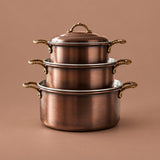
The inner surfaces of the copper pots and pans produced in our workshop are coated with tin suitable for food contact. This tin layer prevents direct contact of copper with acidic foods (lemon, vinegar, tomato, etc.), thus preventing any possible reaction. Tin can wear off over time; therefore, when the copper color becomes visible on the inner surface of your pot, it is recommended to have it re-tinned for safe use. For example, it is important to regularly check the tin lining of products such as the Red Hammered Pure Copper Hand-Engraved Rice Pot, which is prepared with special craftsmanship.
Since the heat conductivity of copper is very high, using it on medium or low heat is usually sufficient when cooking. Using it on high heat can cause food to stick to the bottom and shorten the life of the tin coating. Also, avoid leaving empty copper pots and pans on high heat, as this can damage the tin layer. Be careful not to leave food in copper containers for a long time after cooking; transfer them to glass or ceramic containers if possible. Washing in the dishwasher shortens the life of copper products and causes them to lose their shine, so they should always be washed by hand.

What Are the Correct Usage Methods for Copper Coffee Pots, Teapots, and Pitchers?
Copper coffee pots, teapots, and pitchers are traditional items used for different purposes in our kitchens, and each has its own correct usage methods.
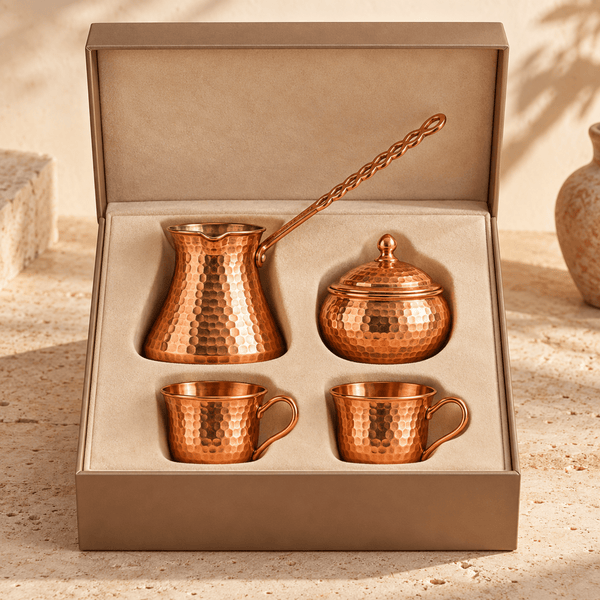
Coffee Pots (Cezve): Ideal for making Turkish coffee, copper coffee pots bring out the aroma of the coffee in the best way. As a small tip, cooking the coffee on low heat and stirring it slowly ensures that the foam is more abundant. Tinned coffee pots can also be used to heat sauces or milk besides coffee.
Teapots: Copper teapots improve the brewing quality of the tea. Thanks to its even heat distribution, it ensures your tea is brewed more deliciously. For example, products like the Oval Silver-Engraved Handcrafted Pure Copper Teapot 3.2 L add a special touch to your tea enjoyment. When brewing your tea, make sure the water is boiled and heat the teapot with hot water before adding the tea leaves. Cleaning the inner surface of the teapot regularly is important so that the taste of the tea is not spoiled.
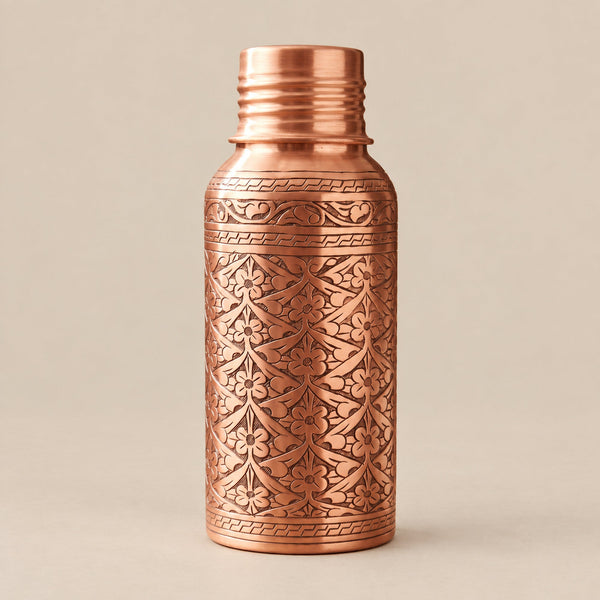
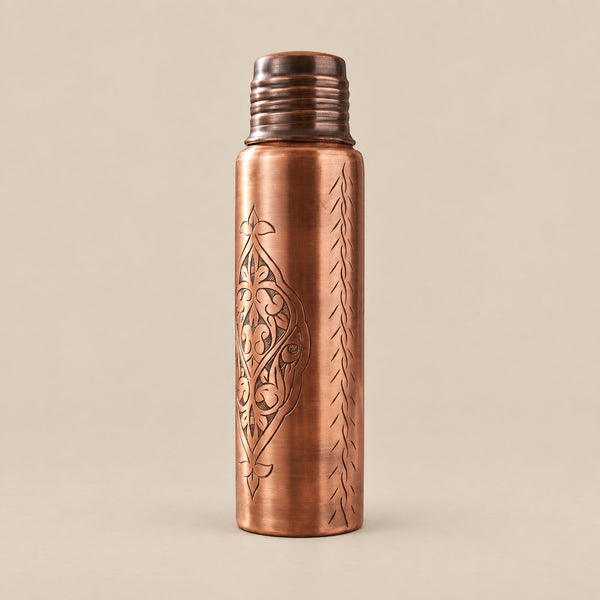
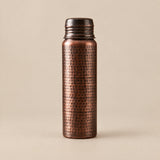
Pitchers and Flasks: Copper pitchers and flasks are traditionally preferred, especially for serving water. While they add elegance to the tables with their aesthetic appearance, they can also help keep the water cool. Products like the Red Hand-Engraved Pure Copper Pitcher with Lid 1.5 L or the Daisy Pattern Handcrafted Pure Copper Flask 1.6 Liters meet your need for carrying and serving water both at home and outside in an aesthetic way. It is important for the life of the product to avoid keeping acidic drinks (fruit juice, ayran, etc.) in such products for a long time. Only neutral drinks like water should be used in pitchers that are not tinned on the inside. Emptying and drying them immediately after use delays tarnishing.
How to Maintain Usta Bakırcı Handmade Products?
To maintain the shine and longevity of Usta Bakırcı's handmade products, it is enough to apply a regular and correct maintenance routine.
Copper products can oxidize and tarnish over time; this is a natural process and a characteristic feature of copper. However, it is possible to restore their shine or delay tarnishing. Here are step-by-step maintenance tips:
- Wash and Dry Immediately: Wash your copper products by hand after each use with warm water and a soft sponge. The dishwasher damages the surface of the copper, ruins its color, and shortens its life. After washing, be sure to dry it with a clean cloth. Leaving it damp can lead to spots and tarnishing.
- Use Natural Polishers: You can use ingredients you can easily find at home to restore the natural shine of your copper products. Cut half a lemon, sprinkle some salt on it, and rub the copper surface with this lemon. Then rinse with warm water and dry thoroughly. A mixture of vinegar and flour can also create an effective paste.
- Commercial Copper Polishers: For more stubborn stains or heavy tarnishing, you can use polishers specially produced for copper available on the market. Apply according to the product instructions.
- Stay Away from Bleach and Harsh Chemicals: Definitely avoid bleach, harsh detergents, and abrasive cleaners that will damage the copper surface, ruin its color, and erode the tin coating.
We can summarize the points to consider during maintenance in the table below:
| Dos | Don'ts |
|---|---|
| Wash by hand with warm water and a soft sponge | Wash in the dishwasher |
| Dry immediately and keep moisture-free | Leave wet or damp |
| Polish with lemon-salt or vinegar-flour mixture | Use bleach or harsh chemicals |
| Check the condition of the tin coating regularly | Leave an empty pot on high heat |
With these simple steps, you can preserve the beauty of your copper presentation products and other kitchen utensils for years.
What Should You Look for When Buying Authentic Copper Products?
When buying authentic handmade copper products, it is necessary to pay special attention to the craftsmanship, weight, and purity of the material to understand its quality and originality.
There are copper products of different qualities on the market. As Usta Bakırcı, we use only pure copper in our workshop in Gaziantep and produce each of our products with traditional handcrafting. You can look at the following to distinguish a real copper product:
- Craftsmanship and Hammer Marks: You may see hammer marks or slight irregularities on real handmade copper products. These marks are an indication that the product was shaped by master hands, not by a machine. Flawless smoothness is usually a sign of industrial production.
- Weight and Thickness: Products made from pure copper and hammered solidly are usually heavier. Thick copper holds heat better and is more durable. The weight you feel when you hold it in your hand can give you a clue about the quality of the product.
- Purity of the Material: Make sure the product is made of pure copper. Some products may be copper-plated or produced with alloys. Usta Bakırcı products are manufactured from 100% pure copper.
- Inner Surface Tinning: It is vital that the inner surface of copper products intended for cooking or food/beverage storage is coated with tin suitable for food contact. Tinning prevents the copper from reacting with acidic foods. Ensure the tin coating is even and smooth.
- Sound Test: A deep and full sound when tapped lightly is usually a sign of quality and thick copper. Thin or alloyed copper may produce a shriller sound.
Each piece among the best-selling products of Usta Bakırcı is produced with the experience and meticulousness of our masters and is a product whose quality you can trust. Handmade copper products are not just items, but also an investment, and with the right choice, they will add value to your kitchen for many years.
If you would like to bring this valuable tradition from the Ottoman era to the present into your kitchens and feel the unique texture of handmade copper, you can explore the wide product range of Usta Bakırcı. With our carefully prepared copper cookware and other handmade products, you can both add value to your own kitchen and offer unforgettable gifts to your loved ones.
Master's Note
In our workshop, every copper product is a work of art from the hands of our masters. The care we take in the processes of hammering, shaping, and tinning copper ensures that our products are not just kitchenware, but a valuable legacy that can be passed down from generation to generation. Paying attention to regular maintenance and proper use to extend the life of our products is the most important step in protecting the value of this legacy.
Products Mentioned in the Article


Frequently Asked Questions
Why are copper products tinned?
Copper can oxidize when in direct contact with acidic food and beverages. Tinning prevents this contact, both extending the life of the product and making its use safer.
Which dishes is copper cookware ideal for?
Because copper distributes heat very well and evenly, it is traditionally preferred for dishes that need to be cooked slowly and evenly, such as rice, stews, and sauces. Copper pots are also indispensable in making Turkish coffee.
Can copper products be washed in the dishwasher?
No, copper products should definitely not be washed in the dishwasher. The high temperature and harsh detergents of the dishwasher will ruin the color of the copper and damage its surface.
Is it normal for copper items to tarnish?
Yes, when copper comes into contact with air, it tarnishes over time, forming a natural patina. This tarnishing is a natural feature of copper, and while it holds aesthetic value for some, it can be removed with special copper polishers if desired.
What are copper cups used for?
Copper cups are traditionally used for serving cold beverages such as water and ayran. They add elegance to presentations with their aesthetic appearance.
Are copper trays only used for presentation?
Copper trays are both used for presentation during traditional guest hosting and add a warm atmosphere to homes as decorative objects. Some large trays can also be used to knead local delicacies like çiğköfte.
Discover: Pots and Pans
Best Sellers


