



How to Clean Copper Products?

In short: The most effective and natural methods to clean your copper products are using a mixture of lemon and salt or a paste of vinegar and flour. These methods restore copper's natural shine and remove tarnish. Avoiding chemical cleaners and the dishwasher will extend the lifespan of your products.
- To protect your copper products from tarnishing, dry them thoroughly after each use and reduce their contact with air.
- Natural cleaners (lemon, salt, vinegar, flour) are the safest and most effective methods for restoring the shine of copper.
- You should clean the inner surfaces of tinned copper products only with mild soapy water and never use abrasives.
Born from the ancient craft tradition of Gaziantep, your handmade copper products can retain their shine for generations with proper care. The most effective and natural methods to clean your copper products are using a mixture of lemon and salt or a paste of vinegar and flour. These methods restore the natural shine of the copper and remove tarnish, while also extending the life of your products.
Why Does Copper Tarnish and How Can It Be Prevented?
The tarnishing of your copper products over time is a natural process that occurs as the copper reacts with oxygen in the air, resulting in oxidation. This condition becomes more pronounced, especially in humid environments or when not used for long periods. This unique reaction of copper is actually an indicator of its naturalness and purity.
Although it is not possible to completely prevent tarnishing, there are some simple precautions you can take to slow down this process and preserve the shine of your products for longer:
- Drying After Use: Always dry your copper products thoroughly after every use with a dry, soft cloth. Water droplets left on the surface can accelerate oxidation and lead to staining.
- Proper Storage: Store your copper products in a dry place away from moisture. Closed cabinets or cloth bags that cut off contact with air are ideal for delaying tarnishing. This method is particularly effective for valuable canteens or ornate teapots.
- Regular Use: Regularly using and cleaning your copper products helps them maintain their shine. Unused copper can tarnish more quickly.
What Are Practical Methods for Daily Copper Cleaning?
Daily cleaning of your copper products generally does not require deep scrubbing. For light soiling and fingerprints, simple and quick solutions are sufficient.
- Warm Soapy Water and a Soft Cloth: After use, wash your copper products with warm water and a small amount of dish soap. Use the soft side of a dish sponge or a microfiber cloth. Hard brushes or abrasive sponges can scratch the surface of the copper. After washing, rinse with plenty of water and dry immediately.
- Quick Polishing with Lemon Peel: If you notice slight dulling or staining on your copper, you can gently scrub it using the peel of half a lemon. The natural acid in the lemon helps to instantly restore the shine of the copper. After scrubbing, rinse and dry. This method is a practical solution, especially for frequently used products like copper cups and presentation trays.

How to Perform Deep Copper Cleaning?
For stubborn tarnish and stains that form over time, it is necessary to use more effective, yet still natural, methods. With these techniques, also preferred by the masters in our Gaziantep workshop, you can make your copper products shine like they did on the first day.
1. Lemon and Salt Method
This method is one of the most well-known and effective solutions for restoring the natural shine of copper. The acidic structure of the lemon and the mild abrasive property of the salt combine to dissolve oxidation.
- Materials: One lemon, 2-3 tablespoons of fine salt (table salt), a soft cloth or sponge.
- Application: Cut the lemon in half. Sprinkle plenty of salt onto the cut surface. Apply the salted lemon slice or a paste made by mixing salt and lemon juice directly onto the tarnished copper surface.
- Scrubbing: Gently scrub the copper surface with the lemon and salt mixture using circular motions. You can apply a little more force for particularly stubborn tarnish, but be careful not to scratch the surface. You will see the copper gradually shining during this process.
- Waiting (Optional): For very stubborn stains, you can leave the mixture on the copper for about 5-10 minutes.
- Rinsing and Drying: After the process is complete, rinse your copper product thoroughly with plenty of warm water. Ensure no salt residues remain. Immediately dry with a clean, dry cloth to prevent it from losing its shine.
2. Vinegar and Flour Paste Method
This method is as effective as lemon and salt, and because it has a paste-like consistency, it can be applied more easily to large surfaces or heavily tarnished products.
- Materials: Half a cup of white vinegar, 2 tablespoons of flour, 1 tablespoon of fine salt, a small bowl for mixing.
- Paste Preparation: Mix all ingredients in a bowl to obtain a thick paste. If the paste is too thick, you can add a little more vinegar; if it is too runny, add a little more flour.
- Application: Spread the prepared paste evenly onto the tarnished copper surface. You can apply it with your fingers or a soft cloth.
- Waiting: Let the paste sit on the copper for at least 10-15 minutes, or up to 1 hour for very stubborn stains. During this time, allow the paste to dissolve the oxidation on the copper.
- Scrubbing: After the waiting period, clean the paste off by gently scrubbing with a soft cloth or sponge. Focus more on the tarnished areas.
- Rinsing and Drying: Rinse your copper product thoroughly with plenty of warm water and immediately dry with a clean, dry cloth to prevent it from losing its shine.
How Should Tinned Copper Products Be Cleaned?
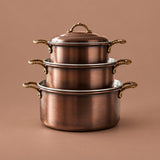
The inner surfaces of the pots and pans, pitchers, and some canteens we produce by hand in Gaziantep are traditionally coated with tin. This tin layer prevents the copper from coming into direct contact with acidic foods and beverages, thereby extending the product's lifespan and ensuring safe use. Cleaning tinned copper products requires a different level of care than non-tinned copper.
To avoid damaging the tin layer on the inner surface:
- Only Mild Soapy Water: When cleaning the inside of tinned copper products, use only warm water and a small amount of dish soap. Wash gently with a soft sponge or cloth.
- Do Not Use Abrasives: Never use wire brushes, metal sponges, abrasive cleaners, or acidic mixtures like lemon-salt on the inner surface. Such products can scratch or remove the tin layer.
- Quick Drying: Dry the inside and outside immediately after washing.
- Outer Surface Cleaning: Since the outer surface of the product is non-tinned copper, you can safely apply the lemon-salt or vinegar-flour paste methods mentioned above. Be careful not to let the paste touch the inner tinned part while cleaning the outer surface. For example, you can polish the outside of our tinned copper pots as you wish.
If you notice that the tin layer has thinned over time or is peeling off in places, it is important to have your product re-tinned. This is a traditional method to maintain the healthy and safe use of your copper items.
Things to Consider for Copper Kitchenware
To ensure your copper products have a long life and retain their initial beauty, there are some important points to pay attention to beyond just cleaning:
- Do Not Use a Dishwasher: Copper products are not suitable for the high temperatures and harsh detergents of a dishwasher. This can discolor the copper, dull its surface, and damage the tin layer. Always hand wash.
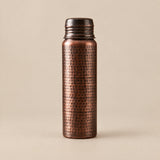
- Acidic Foods and Beverages: In non-tinned copper products (especially some canteens or cups used for drinking water), take care not to leave acidic foods and drinks like lemon, vinegar, tomato, or yogurt for long periods. Acid can react with the copper and form a greenish layer. If you are using a tinned product, you do not need to worry about this.
- Avoid Harsh Chemicals: Harsh chemicals such as bleach or cleaners containing ammonia can cause permanent damage to copper and discolor it. Always prefer natural and mild cleaners.
- Do Not Expose to Excessive Heat: Avoid leaving copper pots or teapots on high heat, especially when empty. This can damage the tin layer and impair the structure of the copper.
Care of Copper Bracelets and Accessories
The copper bracelets and other accessories that we carefully prepare in our workshop in Gaziantep also require special care. These products, which come into direct contact with your skin, can tarnish over time due to sweat and moisture.
- Regular Wiping: Wiping your bracelet with a dry and soft cloth after taking it off each day is the simplest way to delay tarnishing. This removes the oils and moisture transferred from your skin.
- Light Cleaning: If tarnishing occurs, you can apply the aforementioned lemon-salt or vinegar-flour paste methods in very small amounts and gently. You can reach the ornate parts with the help of a cotton swab or a soft toothbrush.
- Protection from Water and Moisture: It is recommended to remove your copper accessories while bathing, swimming, or doing sports that require heavy sweating. Water and chemicals (shampoo, soap, chlorine) can accelerate the tarnishing of copper.
- Contact with Perfume and Cosmetics: Avoid direct contact of perfume, lotion, or other cosmetic products with your copper bracelet. These products can cause staining on the surface of the copper.
- Storage: When not in use, storing them in a small cloth bag or a closed box to reduce contact with air helps maintain their shine. For example, you can preserve the shine of your braided copper bracelet for a long time in this way.
The cleaning and maintenance of your copper products are actually a reflection of the love and value you show them. By protecting these special pieces, which are handcrafted in Gaziantep, using the right methods, you can pass their story on to future generations. As Usta Bakırcı, we wish for each of our products to add warmth and aesthetics to your homes. To discover our other handmade copper products, you can visit our Bestsellers category.
Master's Note
We wish for every copper product that we handcraft with love in our workshop in Gaziantep to be cared for with diligence. With the experience of our masters, being patient and scrubbing with gentle movements while cleaning your copper is the key to preserving the texture and craftsmanship of your product. Especially never touch the inner tinned surfaces with hard brushes or abrasive sponges; this may damage the tin layer.
Products Mentioned in the Article


Frequently Asked Questions
Why does copper tarnish?
Copper oxidizes and tarnishes when it comes into contact with oxygen in the air. This is a natural process, an indicator of the copper's purity, and humid environments accelerate this process.
Can copper products be washed in the dishwasher?
No, copper products should not be washed in the dishwasher. High heat and harsh detergents can discolor copper, make it dull, and damage the tin layer.
What should I use to clean the inside of tinned copper?
You should clean the inner surfaces of tinned copper products gently using only warm water, a small amount of dish soap, and a soft sponge or cloth. Avoid abrasive materials.
Is it harmful to keep acidic foods in copper products?
In non-tinned copper products (such as canteens, cups), leaving acidic foods and drinks like lemon, vinegar, and tomato for long periods can cause the copper to react and form a greenish layer. This problem does not occur with tinned products.
My copper bracelet has tarnished, what should I do?
When your copper bracelet tarnishes, you can clean it by applying a small amount of lemon-salt or vinegar-flour paste gently and scrubbing with a soft cloth. Rinse and dry thoroughly afterwards.
Explore: Bestsellers
Best Sellers


