



Are Copper Products Dishwasher Safe?

In short: No, copper products should not be washed in the dishwasher. High temperatures, harsh detergents, and pressurized water cause copper to lose its natural luster, tarnish, and—especially in tin-lined products—damage the tin, thereby shortening the product's lifespan.
- Copper products should not be washed in the dishwasher due to high temperatures and harsh chemicals.
- Hand-washing your handmade copper items with warm water, mild soap, and a sponge is the best way to maintain their shine.
- To ensure the tin on tin-lined copper products remains intact, it is important not to leave acidic foods in them for extended periods and to be gentle during cleaning.
As a workshop that keeps the ancient copper-working tradition of Gaziantep alive, we know very well the importance of proper care to ensure our handmade pure copper products remain long-lasting and as beautiful as the day they were made. So, can these special pieces, which are staples in kitchens and at dining tables, be washed in the dishwasher, the great facilitator of modern life? Absolutely not; putting your copper products in the dishwasher can cause them irreparable damage.
Why Should Copper Products Not Be Put in the Dishwasher?
There are many important reasons to avoid putting your copper products in the dishwasher. First and foremost, the high-temperature water and steam in dishwashers are not suited to the natural structure of copper. Copper is a metal sensitive to heat, and exposure to sudden temperature changes or prolonged high heat can lead to staining, tarnishing, and even deformation on its surface.
Furthermore, the strong chemical detergents used in dishwashers are also quite harmful to copper. These detergents erode the protective layer on the surface of the copper, causing it to dull and discolor. In tin-lined copper products especially, these chemicals can weaken the tin layer and cause it to peel. The interior surface of every product, such as the pots and pans produced in our workshop, is tinned using traditional methods to make them suitable for food contact. Protecting this tin layer is vital for both the product's lifespan and the safety of its use.
Finally, the high-pressure water jets in dishwashers can damage the delicate surfaces of copper products. Especially in items that are handcrafted, embossed, or patterned, this pressure can cause the details to degrade or scratch.
What Happens If Copperware Is Washed in the Dishwasher?
While washing your copper items in the dishwasher usually does not render the product unusable, it leads to serious aesthetic and functional issues. Here are some situations you may encounter:
- Tarnishing and Dullness: The bright, vibrant color of copper gives way to a lackluster, dull, and generally dark brown or black appearance. This tarnish is caused by oxidation on the copper's surface, and the humid, hot environment and chemicals created by the dishwasher accelerate this process.
- Staining: Water spots, detergent residue, and uneven tarnishing create an unsightly, mottled appearance on the copper surface. These stains are usually permanent and may require intensive polishing to restore the product to its original state.
- Damage to the Tin: If the product you are using is a tin-lined copper pot, the high heat and abrasive detergents of the dishwasher will erode, peel, or melt the tin layer. When the tin layer is damaged, the surface that comes into contact with food can become unsafe, and the item may need to be re-tinned.
- Deformation: Copper products with thin walls or delicate structures, in particular, can become slightly bent or change shape when exposed to high heat.

How Should Copper Flasks and Cups Be Cared For?
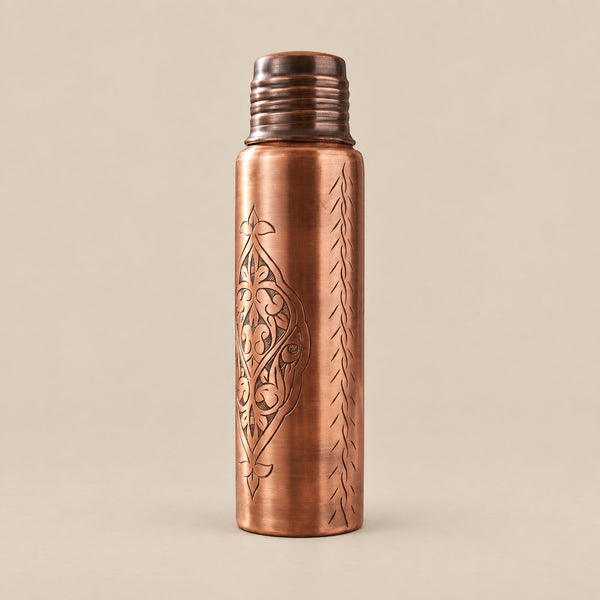
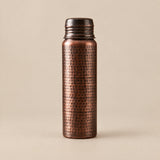
The copper flasks and copper cups produced with Gaziantep's hand craftsmanship are unique in their ability to keep your drinks cool for a long time or add an authentic air to your presentations. Hand-washing is the most correct method to maintain the beauty and functionality of these products. Here is how to clean them, step by step:
- Wash Immediately: Wash as soon as possible after use. Especially when consuming acidic beverages (lemonade, fruit juices), it is important that the acid inside does not remain in contact with the copper for a long time.
- Use Warm Water and Mild Soap: Rinse the inside and outside of your flask or cup with warm water. Add a small amount of dish soap (pH neutral, alcohol-free).
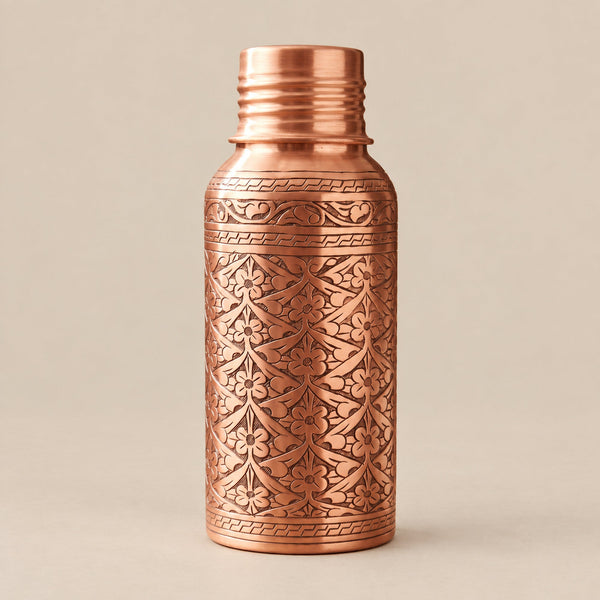
- Use a Soft Sponge: Never use a wire brush or hard scouring pads to avoid causing scratches. Wipe gently with a soft dish sponge or cloth. You can use a thin brush to clean the inside of flasks. For example, pay attention to the details on hand-engraved products like the Daisy Patterned Flask.
- Rinse Thoroughly: Rinse with plenty of warm water until no soap residue remains.
- Dry Immediately: The greatest enemy of copper is moisture. To prevent water spots and tarnishing, dry the product thoroughly with a soft, lint-free cloth immediately after rinsing. You can even leave it upside down to let it air out slightly.
Cleaning Tin-Lined Copper Products: Is the Dishwasher Safe?
As we mentioned before, tin-lined copper products should absolutely not be washed in the dishwasher. Tin is a soft metal with a lower melting point than copper, and the high temperatures of a dishwasher can cause the tin to melt or peel. Furthermore, the abrasive nature of dishwasher detergents causes the tin to thin and eventually disappear entirely.
The integrity of the tin layer is very important, especially in items used for cooking, such as pots and pans, teapots, or pitchers. Tin prevents copper from coming into direct contact with food, allowing you to cook your meals safely. When the tin layer is damaged, copper comes into contact with food, and if it stays in contact with acidic foods (tomatoes, lemon, vinegar, etc.) for a long time, the copper may leach into the food. For this reason, you should always clean your tin-lined copper products by hand with warm water and a soft sponge, and you should never use bleach or abrasive cleaning materials.
Tips for Caring for Copper Pots and Teapots
The copper teapots and pots that are the pride of our kitchens are valuable heirlooms that can be passed down through generations with proper care. Here are some practical tips to extend the life of these products and preserve their shine:
- Pre-rinse: After cooking or brewing tea, lightly rinse the items with warm water to remove large residues.
- Hand-washing: Just like with the flasks, wash your pots and teapots by hand using warm water, a mild dish soap, and a soft sponge. Be careful not to scratch the tin on the inner surface.
- Warning About Acidic Foods: Be careful not to leave acidic foods (lemon, vinegar, tomato-based sauces) in tin-lined copper pots for a long time. Transfer them to another container immediately after cooking and clean the pot.
- For Stubborn Stains: If a stubborn stain forms on the outer surface, you can use a mixture of lemon and salt or special copper polishes. Sprinkle salt on a slice of lemon, gently rub the copper surface, then rinse with plenty of water and dry immediately.
- Drying is Most Important: Never leave your copper products wet after washing. Dry them completely with a soft cloth.
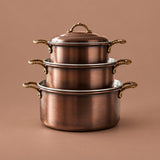
Every copper pot set produced in our workshop offers a safe and healthy cooking experience with its tinned interior surface. Protecting this tin is critical to the product's lifespan.
What Should We Do to Extend the Life of Copper Products?
We know that your copper products are not just kitchen utensils but also works of art. You can take some additional precautions to extend their life and preserve their beauty:
- Regular Polishing: Copper naturally tarnishes over time. This is an indicator that copper is a living metal. To remove tarnishing and restore its former shine, polish it gently once a month—or as needed—using natural methods (lemon-salt, vinegar-flour) or special copper polishes.
- Correct Storage: Store your copper products in a dry place away from moisture. If you will not use them for a long time, you can wrap them in a cloth or keep them in a closed cabinet to cut off contact with air.
- Protection Against Scratches: Copper surfaces are sensitive to scratching. Avoid direct contact with metal spoons or hard objects. Be sure to use soft spatulas and ladles.
- Avoid Chemical Contact: Bleach, cleaners containing ammonia, or other harsh chemicals can cause permanent damage to copper. Keep them strictly away.
- Professional Re-tinning: If the tin layer thins or becomes damaged over time, having your product re-tinned by a professional coppersmith will both extend the product's life and ensure safety of use.
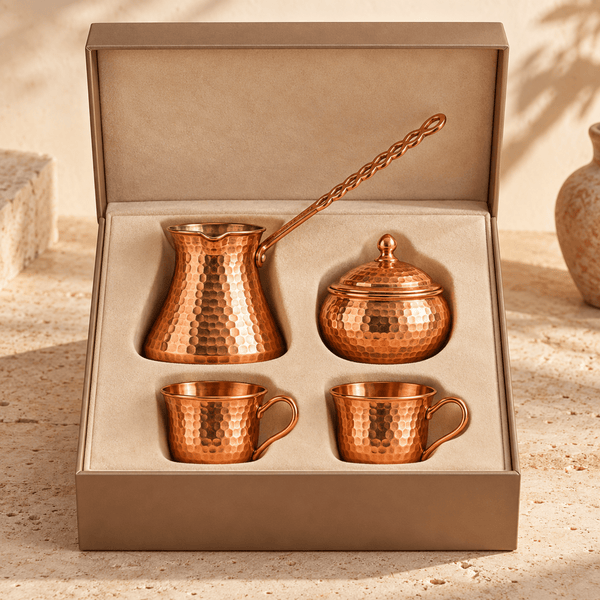
Every handmade copper cup or other best-selling product that leaves our workshop in Gaziantep comes to life through the labor and care of our master craftsmen. The attentive care you show them will help you carry this tradition and the beauty of these products to future generations. To get more information about the care of your copper products or to discover our new items, you can visit our kitchen accessories page.
Note from the Master
In our workshop in Gaziantep, we know that every copper product is carefully crafted and designed to accompany you for many years. To preserve the soul of the copper, our masters recommend that you dry your products immediately after every wash and polish them periodically using natural methods.
Products Mentioned in the Article


Frequently Asked Questions
My copper products were washed in the dishwasher, what should I do now?
You can try to restore the shine of your copper products that have tarnished after being washed in the dishwasher by cleaning them with natural methods, such as a mixture of lemon and salt, or with special copper polishes. However, if the tin layer has been damaged, professional re-tinning may be required.
Is it harmful to health if copper tarnishes?
Tarnishing (oxidation) that forms on the outer surface of copper is generally not harmful to health; it is a natural reaction of copper. However, if the tin layer on the inner surface of tin-lined products is damaged and the copper is exposed, caution should be exercised, especially in contact with acidic foods.
How often should I clean my copper products?
It is ideal to wash your copper products with warm water and mild soap after every use and dry them immediately. To remove tarnish on the outer surface, you can perform a polishing process as needed, generally once every month or two.
What should I pay attention to when storing my copper products?
Store your copper products in a dry environment away from moisture. If they will not be used for a long time, you can delay tarnishing by wrapping them in a cloth or keeping them in a closed cabinet to reduce contact with air.
Should I use a special product to polish my copper items?
You can use pastes consisting of natural ingredients like lemon and salt or vinegar and flour to polish your copper items. Special copper polishes found on the market can also be effective, but it is important to follow the product's instructions carefully and prefer non-abrasive ones.
Discover: Kitchen Accessories
Best Sellers


