

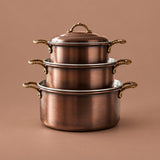
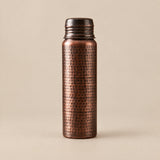


Why Does Copper Tarnish?

In brief: By nature, copper undergoes an oxidation process and tarnishes when it comes into contact with air, moisture, and certain chemicals. This tarnishing occurs as the copper reacts with oxygen to form a type of protective layer called patina. This is a natural process that highlights the authenticity and lived experience of the copper.
- Copper products tarnish naturally as a result of contact with oxygen and moisture, which is a consequence of copper's chemical structure.
- Regular maintenance, proper cleaning methods, and appropriate storage conditions are of great importance in delaying the tarnishing of copper.
- Tinned copper products offer a safe usage experience, especially for cooking and contact with acidic foods, while untinned products are ideal for decorative purposes or for neutral liquids such as water.
Copper is an ancient and valuable metal that has found its place in many areas throughout history, from our kitchens to our ornaments, and even in our healing traditions. In our workshop in Gaziantep, we continue to keep this unique tradition alive with pure copper canteens, teapots, pots, and many other products produced with handcraftsmanship passed down from generation to generation. However, there is one common question that crosses the mind of every copper product owner: "Why does copper tarnish?" In this article, we will explain the natural tarnishing process of copper, the scientific reasons behind this process, and what you can do to maintain the shine of your handmade copper products with the experience of Usta Bakırcı artisans. When copper comes into contact with air, moisture, and time, it undergoes an oxidation process on its surface, which leads to its characteristic tarnishing, or patina. This is a natural change inherent in the nature of copper that actually demonstrates its authenticity.
What Exactly Is Copper Tarnishing and Why Does It Happen?
Copper tarnishing is the result of oxidation, which is a chemical reaction. When copper combines with oxygen and moisture in the air, a copper oxide layer forms on its surface. This layer begins in reddish-brown tones and can turn into a darker brown or even a greenish color over time. Although this greenish layer is colloquially called "mold," it is actually a protective layer called "patina," consisting of compounds such as copper carbonate or copper sulfate. This patina formation occurs faster and more noticeably in copper products left in the open air or in humid environments. For example, you can easily observe this tarnishing on a pure copper canteen that has not been used for a long time.
This tarnishing process is specific to the nature of copper and is actually the metal's mechanism for protecting itself against external factors. The patina layer extends the life of the metal by preventing further oxidation of the copper. In some cultures and artistic applications, this natural patina is specifically desired and gives copper objects an antique look. However, in products used daily, such as kitchenware, a bright and clean appearance is preferred. Therefore, regular maintenance and cleaning are of great importance to preserve the aesthetics of your copper products.
How Can I Protect My Copper Products from Tarnishing?
Preserving the original shine and beauty of your handmade copper products is possible with a little care and the right methods. Here are the ways to protect your copper products from tarnishing with the advice of Usta Bakırcı artisans:
- Regular Cleaning and Drying: The primary cause of copper tarnishing is its contact with moisture and oxygen. Therefore, it is very important to wash your copper products immediately after each use and dry them completely with a soft cloth. Even water droplets left on the surface can lead to staining over time. It is necessary to pay attention to this rule, especially for products that frequently come into contact with water, such as copper pitchers and copper cups.
- Proper Storage Conditions: When not in use, store your copper products in a dry place away from moisture. If possible, keeping them in airtight containers or soft fabric covers will delay tarnishing by reducing contact with oxygen. This method is quite effective, especially for copper bracelets or presentation products used as ornaments.
- Avoid Chemical Contact: Copper is sensitive to acidic substances and harsh chemicals. Leaving acidic foods and drinks such as lemon, vinegar, and tomatoes in untinned copper containers for a long time accelerates the tarnishing of the copper and can even cause spots on its surface. Furthermore, bleaching agents such as bleach or abrasive cleaners damage copper and discolor it. You should definitely avoid such substances.
- Do Not Use a Dishwasher: The hot water, harsh detergents, and long wash cycles of dishwashers can cause irreversible damage to the surface of your copper products, accelerate tarnishing, and cause them to lose their shine. All handmade copper products require careful hand washing.

How to Clean and Polish Tarnished Copper?
Although your copper products will inevitably tarnish over time, there are traditional and effective methods you can apply to restore them to their original shine. These are natural, texture-safe solutions for copper that are also preferred by our artisans at the Usta Bakırcı workshop:
Natural Cleaning Methods:
To restore the shine of copper, materials you typically have at home are usually sufficient:
- Lemon and Salt Mixture: This is one of the most common and effective methods. Cut a lemon in half and sprinkle plenty of salt on the cut surface. Gently rub the tarnished copper surface with this lemon and salt mixture. While the salt removes the tarnish with its mild abrasive effect, the acid in the lemon dissolves the copper oxidation. After the rubbing process is finished, rinse the product with plenty of warm water and dry it immediately with a soft cloth. This method is especially ideal for light tarnishing.
- Vinegar and Flour Mixture: Make a thick paste by mixing equal amounts of vinegar and flour. Apply the paste to the tarnished copper surface and let it sit for about 10-15 minutes. Then, rub it gently with a soft cloth. This paste helps to clean the copper deeply. After the process, rinse again with plenty of water and dry thoroughly.
- Baking Soda and Lemon/Vinegar: You can use baking soda for more stubborn tarnishing. Sprinkle a small amount of baking soda on the tarnished area and drip a few drops of lemon juice or vinegar onto it. The resulting fizzing indicates that the chemical reaction has begun. Rinse and dry after rubbing with a soft cloth.
Master Tip: Never use metal scrubbers or hard brushes during cleaning. Such materials can scratch the surface of the copper and permanently damage its shine. Always prefer soft cloths or sponges.
What is the Difference Between Tinned and Untinned Copper?
We often hear the terms "tinned" and "untinned" when choosing or using our copper products. The difference between these two types is of great importance, especially for kitchenware.
| Feature | Untinned Copper | Tinned Copper |
|---|---|---|
| Structure | Made of 100% pure copper. | The inner surface is coated with a thin layer of tin. |
| Purpose of Use | Generally used for carrying or storing water (canteens, pitchers), decoration, presentation (trays, cups), and storing certain dry foods. | Ideal for cooking and storing acidic foods and drinks. The tin coating prevents the copper from coming into direct contact with food. Copper pots and teapots are usually tinned. |
| Safety | Long-term contact with acidic foods and drinks (such as lemon, vinegar, tomato) is not recommended. Copper can react with acids. | Tin is an inert metal that does not react with food. This makes it possible to safely cook and store acidic foods. |
| Maintenance | The outer surface can be cleaned with natural methods when it tarnishes. | Care should be taken not to scratch the tin coating on the inner surface. Wooden or silicone spoons should be preferred instead of hard metal spoons. The tin coating may wear down over time and may need to be re-tinned periodically (usually every 1-2 years, depending on the intensity of use). |
The inner surfaces of our copper pots and pans used in the kitchen are tinned to cut off the direct contact of copper with the acidic nature of food and to provide a healthy usage. As Usta Bakırcı, we take care to ensure that all our products offered for cooking purposes are tinned. Untinned copper products, on the other hand, can be used with peace of mind for the storage of neutral liquids like water or for decorative purposes.
What Should I Do to Extend the Life of Copper Products?
Extending the life of your handcrafted copper products is not just about aesthetic concerns; it is also about contributing to the sustainability of this valuable craft and tradition. Here are practical steps that will ensure your copper products accompany you for many years, based on the experience of Usta Bakırcı artisans:
- Adopt Proper Usage Habits: When cooking in tinned copper pots, take care to use wooden or silicone spatulas instead of metal spoons. This prevents the scratching and wearing of the tin coating. In untinned copper cups, prefer only water or neutral drinks. Consider glass or stainless steel alternatives for acidic drinks.
- Periodic Tin Inspection and Renewal: If you use a tinned copper pot or coffee pot, check the tin coating on the inner surface regularly. If you notice any wear, scratching, or tarnishing on the tin, it is important to have your product re-tinned by a professional copper smith. This process both extends the life of your product and ensures safe usage for your health. Although the frequency of re-tinning varies depending on the intensity of use, it is generally recommended every 1-2 years.
- Protect from Scratches and Impacts: Copper is a soft metal and can easily change shape or be scratched by hard impacts. Take care not to drop your products, hit them against hard surfaces, or let them come into contact with sharp objects. You can use soft separators during storage to prevent contact with other hard kitchen utensils.
- Polishing and Protective Layers: After cleaning and drying your copper products, you can polish them with special copper polishes or natural oils (for example, by rubbing them lightly with olive oil). This can create a thin protective layer on the surface, delaying oxidation to some extent and helping it maintain its shine for longer. However, instead of doing this process too frequently, it is sufficient to repeat it once a month or every few months, depending on the needs of your product.
The bond you establish with your copper products is more than just owning an item; it is about keeping a tradition and craft alive. As Usta Bakırcı, we take pride in delivering this heritage to you in each of our products. Remember, with proper care and attention, your handmade copper products will retain their beauty and functionality for generations. You can discover unique pieces where tradition meets modernity for your home and loved ones by browsing our bestsellers or new products collections, carefully prepared by our workshop. Each product is crafted with hand labor and effort coming from the heart of Gaziantep.
Artisan's Note
Every piece of copper we hammer in our workshop in Gaziantep undergoes a unique tarnishing process that tells its own story over time. Our artisans see this natural change as the soul of the product and, with the right maintenance tips, enable you to extend both the aesthetics and the lifespan of your products. Remember, the tarnishing of copper is the most beautiful proof that it is a real and living material.
Products Mentioned in the Article


Frequently Asked Questions
Is copper tarnishing harmful?
Copper tarnishing, or the formation of patina, is a natural feature of copper and is generally not harmful. However, leaving acidic foods in untinned copper containers for a long time is not recommended for health reasons, as it may cause copper to leach into the food.
How often should I clean my copper product?
Washing your copper products gently and drying them immediately after each use is the best way to delay tarnishing. You can perform deep polishing and cleaning, depending on the degree of tarnishing, usually on a weekly or monthly basis.
Can I wash copper products in the dishwasher?
No, copper products should absolutely not be washed in the dishwasher. The harsh detergents and high temperature of the dishwasher damage the surface of the copper, leading to permanent tarnishing and stains.
When should the tin of tinned copper be renewed?
The tin coating on the inner surface of tinned copper products may wear down over time depending on the intensity of use. In case of visible thinning, scratching, or the copper color appearing underneath the tin, it usually needs to be re-tinned by a professional copper smith every 1-2 years.
Should I use a special polish to prevent copper tarnishing?
There are special polishes on the market that delay copper tarnishing. However, after cleaning and drying with natural methods, rubbing your product with a very thin layer of olive oil can also help delay oxidation to some extent.
What is the green layer on copper products?
The green layer formed on copper products is generally called "patina" and consists of compounds such as copper carbonate or copper sulfate, which form as a result of copper remaining in a humid and oxygenated environment for a long time. This is part of the copper's self-protection mechanism.
Discover: Best Sellers
Best Sellers


