


Healthy Usage Guide for Copper Cookware

In short: To use a copper pot safely, ensure that the tin coating on its inner surface is intact, use wooden or silicone kitchen utensils during cooking, and cook over low heat. Highly acidic foods such as tomatoes or lemons should not be left in the pot after cooking, and products should always be washed and dried by hand.
- Cooking over low heat in tin-lined copper pots preserves the flavor of foods and distributes heat evenly.
- Acidic foods should be transferred to another container immediately after cooking and not stored in the pot.
- Copperware should never be washed in the dishwasher or with harsh chemicals such as bleach.
To ensure food safety when using a copper pot, the tin coating on the inner surface must be intact, wooden utensils should be used during cooking, and food should not be stored in the pot. Pure copper, which has high heat conductivity, provides balanced cooking over low heat, helping you achieve traditional flavors in the kitchen. When proper care steps are followed, a handmade copper pot can be used safely for many years.
How to clean a copper pot before first use?
Before using a copper pot for the first time, it should be gently washed with a soft sponge, warm water, and liquid dish soap, and then dried immediately. As copperware coming from the workshop may contain dust or polishing residue from the production and transportation process, the initial washing step is very important.
The following steps should be followed in order for the first use preparation:
- Wet both the inner and outer surfaces of the pot with warm water.
- Pour a small amount of mild liquid dish soap onto the soft (non-green) side of the sponge.
- Gently wipe without rubbing in a way that will not scratch the tin coating inside.
- Rinse thoroughly with plenty of warm water to completely remove soap residue.
- Dry the pot immediately with a soft cotton cloth to prevent staining and moisture buildup.
Products such as the Black Handmade Tin-Lined Pure Copper Pot produced in our Gaziantep workshops do not need to be boiled with milk or rubbed with vinegar before first use; simply the above simple washing step is sufficient.
What should be considered when cooking in a copper pot?
When cooking in a copper pot, low or medium heat should always be preferred instead of high heat, and a wooden or silicone spoon should be used. Because copper metal distributes heat extremely quickly and evenly, high stove heat can cause the bottom of the food to burn or the inner tin layer to melt.
The following practical details should be considered during the cooking process:
- Do Not Heat an Empty Pot: Do not place the copper pot directly on a hot stove without oil, water, or food ingredients inside. Dry heat causes damage to the tin coating.
- Utensil Selection: Metal ladles, forks, or metal spoons can scratch the tin surface. Therefore, wooden or heat-resistant silicone kitchen utensils should be preferred.
- Use of Low Heat: When cooking in copper pots, the lowest stove setting generally provides sufficient heat. This not only saves energy but also allows the food to cook slowly without drying out.
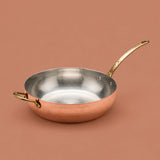
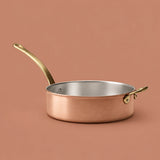
For your daily soups, stews, or vegetable dishes, our 3-Liter Silver-Colored Handmade Tin-Lined Pure Copper Cooking Pot model offers ideal use.

Which foods should not be stored in a copper pot?
Foods with high acidity such as tomatoes, vinegar, citrus fruits, pickles, and yogurt should not be left in a copper pot for a long time and should be transferred to another storage container immediately after cooking. Acidic components can react with the tin coating or the worn tin copper surface, creating a metallic flavor in the food.
Using tomato paste or tomatoes during the cooking process is a common occurrence in our traditional cuisine. The 1-2 hour time period during cooking is safely managed in tin-lined containers. However, after the food is cooked, the lid of the pot should not be closed and stored in the refrigerator. After the food cools, transferring it to glass or ceramic containers is the best practice for both food quality and the lifespan of the copper pot. You can browse our Copper Kitchen collection to examine all your cooking utensils in the kitchen.
How to tell when it is time to re-tin a copper pot?
When the silver-colored tin coating on the inner surface of the copper pot wears down and the red copper color underneath becomes clearly visible, it is time to re-tin. Tin serves as a protective barrier that prevents copper from coming into direct contact with food.
When checking the condition of the tin with a master's eye, the following points should be looked at:
- The gray/silver color layer on the inner surface peeling off in areas the size of a coin or larger, revealing the pink-red copper directly underneath.
- The inner surface becoming noticeably dark during cooking or the tin thinning completely and exposing the metallic base.
- Small, localized color changes may not require tinning immediately; however, if the copper metal becomes visible over a large area, it is mandatory to take the container to an authorized tinning master.
Especially for large families and long-duration cooking, it is recommended to visually check the condition of the tin once a year in large-volume containers such as our 5-Liter Heavily Embroidered Red Handmade Pure Copper Pot product.
How to clean and maintain a copper pot?
A copper pot should be washed by hand with warm water and liquid detergent after every use and should never be put in the dishwasher. The highly alkaline substances and abrasive salts contained in dishwasher detergents both damage the outer craftsmanship and polish and wear down the inner tin.
Step-by-step maintenance method for cleaning a copper pot:
- Washing: After the food residue dries and the pot cools, wash it in your hand with a soft sponge. Never use a dish brush or bleach.
- Drying: As soon as washing is finished, remove the moisture with a dry and soft cloth. Water stains can form on copperware left to dry on its own.
- Polishing the Outer Surface: To polish the outer copper surface that becomes dull over time due to oxidation, you can gently rub the outside by sprinkling a little salt on half a lemon. Then, when you rinse and dry it, it will regain its first-day shine. (Do not apply this process to the tinned inner part of the pot).
With proper care, you can preserve products such as the Red Hammered Pure Copper Handmade Pilaf Pot, which bring traditional flavors to your table, in their first-day beauty for many years. You can examine different sizes and designs in our Pots and Pans section.
What are the differences between copper pots and other types of pots?
While copper pots provide excellent heat distribution, they respond much faster to temperature changes compared to stainless steel and cast iron pots. Thanks to their ability to distribute heat evenly, they prevent food from burning at a single point and allow the food to cook with flavor.
The basic features of the types of pots frequently used in the kitchen are compared in the table below:
| Feature | Copper Pot (Tinned) | Stainless Steel Pot | Cast Iron Pot |
|---|---|---|---|
| Heat Conductivity | Very high and instantaneous | Moderate | Heats slowly, retains heat |
| Heat Distribution | Completely even across the entire surface | Base-focused | Heavy and gradual |
| Cleaning Method | Hand washing only | Dishwasher safe | Hand washing and drying |
| Periodic Maintenance | Tinning when necessary | Requires no maintenance | Seasoning (oiling) |
| Weight | Balanced and handmade | Standard | Heavy |
To keep the traditional Gaziantep craftsmanship alive in your kitchens and add an aesthetic touch to your tables, you can discover our products made by master hands and safely order the models suitable for your kitchen's needs.
Master's Note
We recommend that you wash the copper pots, shaped with the hammer blows of our masters in our workshop in Gaziantep, gently with warm soapy water before first use. Paying attention to ensuring the inside of the pot is not empty before placing it on the fire will significantly extend the life of the tin coating.
Products Mentioned in the Article


Frequently Asked Questions
Can a copper pot be washed in the dishwasher?
No, copper pots should not be washed in the dishwasher. The chemicals in detergents and high water temperatures darken the outer coating and quickly wear down the inner tin layer.
How to prevent a copper pot from darkening?
Drying the pot immediately after washing prevents water stains and darkening. To remove the natural dullness on the outer surface, it is enough to rub the outside with a mixture of lemon and salt.
Can a steel sponge be used on a copper pot?
No, dish brushes or hard green sponges should not be used as they will scratch the tin coating. A soft cloth or sponge should always be preferred.
Is it harmful to cook in a copper pot with worn tin?
If the tin coating inside is worn over a large area and the red copper underneath has appeared, cooking should not be done without re-tinning to prevent contact with food.
Discover: Pots
Best Sellers


