

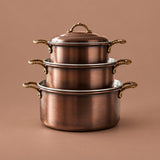


How to Polish Copper Pots?

In brief: It is best to use natural methods to polish your copper pots. You can maintain your pots' original luster by performing regular care with ingredients like a lemon and salt mixture or a vinegar and flour paste. The important thing is to avoid chemical-based cleaners and use the right techniques.
- Natural ingredients such as lemon-salt or vinegar-flour should be preferred for polishing copper pots.
- Chemical cleaners and the dishwasher will damage the copper surface and shorten its lifespan.
- For the interior of tinned copper products, only a soft sponge and soapy water are sufficient; it is essential not to scratch the tin.
Copper pots are unique pieces that add a traditional elegance and cooking experience to our kitchens. However, they may lose their shine and become dull over time. So, how do you polish copper pots, and how can we maintain this shimmer for a long time? Using natural methods to polish your copper pots to their original state is the most effective approach. You can keep your pots shining like the first day by performing regular care with ingredients like a lemon and salt mixture or a vinegar and flour paste. The important thing is to avoid chemical-based cleaners and use the right techniques.
In our workshop in Gaziantep, we keep the centuries-old tradition of copper smithing alive, crafting pure copper products with meticulous hand labor. With this experience, we know that the longevity and beauty of copper are directly proportional to proper care. Now, let’s take a look at the practical and natural methods we have learned from our masters that will restore your copper pots to their original splendor.
What Materials Do You Need to Polish Your Copper Pot?
To polish your copper pots, simple materials you can easily find at home that won't harm the copper's natural structure are sufficient. You should strictly avoid abrasive, chemical-based cleaners, as such products can scratch the copper surface or permanently discolor it.
Here are the basic materials you will need:
- Lemon: A natural source of acid, effective at dissolving oxidation on copper.
- Salt (Fine-grained): Supports the acidic effect of the lemon and acts as a mild abrasive to help remove tarnish.
- White Vinegar: Another natural source of acid and a powerful cleaner, especially for dull copper surfaces.
- Flour: When mixed with vinegar, it creates a paste consistency that allows it to stay on the copper surface longer for better interaction.
- Soft Sponge or Cloth: Necessary for a delicate clean that won't scratch the copper surface. We typically use cotton or microfiber cloths in our workshop.
- Lukewarm Water: For rinsing and final cleaning.
- Dry and Clean Cloth: For drying after polishing and adding the final shine.
Master Tip: No matter how intense the tarnish on the copper, working patiently with the right materials always yields the best results. Especially when polishing a heavily tarnished rice pot, applying the paste a bit thicker and letting it sit longer can make a difference.
Step-by-Step Copper Pot Polishing Method with Lemon and Salt
The lemon and salt duo is one of the most well-known and effective ways to polish your copper pots naturally. This method is ideal for removing light to moderate tarnish on the outer surface of the copper.
Here is the step-by-step application:
- Preparation: Lightly rinse the outer surface of your copper pot with lukewarm water and remove excess water.
- Cut and Salt the Lemon: Cut a lemon in half. Sprinkle plenty of fine-grained salt onto the cut surface of one half. Ensure the salt sticks well to the lemon.
- Scrub the Oxidized Surface: Gently scrub the tarnished outer surfaces of the copper pot with the salted lemon slice. Work in circular motions without applying too much pressure. You can spend a bit more time on heavily tarnished areas. The acid of the lemon and the mild abrasive effect of the salt will start to dissolve the oxidation layer on the copper.
- Waiting (Optional): If your pot is very tarnished, you can let the lemon-salt mixture sit on the surface for about 5-10 minutes after scrubbing. However, be careful not to keep it on for too long.
- Rinsing: After the process is complete, rinse your pot thoroughly under plenty of lukewarm water. Ensure no salt or lemon residue remains on the surface. Residue can cause the copper to tarnish again.
- Drying and Polishing: Dry your pot with a clean, dry cloth. Then, buff the surface of your pot with the same cloth or a separate soft cloth. This final step will reveal the copper's glow.
A pot set polished with this method will look like a work of art in your kitchen.

Polishing with Vinegar and Flour Paste: Workshop Secrets
Just as effective as lemon and salt, the vinegar and flour paste is one of the methods we prefer, especially for more stubborn tarnish or to provide an even shine on larger surfaces. The flour allows the vinegar to stay on the copper surface for a longer time to take effect.
- Prepare the Paste: In a small bowl, mix half a cup of white vinegar with 2 tablespoons of flour. Continue stirring until it reaches a paste consistency. The consistency should be thick enough to be easily applied but not runny. If it's too thick, you can add more vinegar; if it's too thin, you can add more flour.
- Application: Apply the paste you prepared evenly to the tarnished outer surfaces of your copper pot using a soft sponge or cloth. Ensure the entire surface is covered with the paste.
- Waiting: Let the paste sit on the copper surface for at least 10-15 minutes, or up to 30 minutes for very heavily tarnished pots. This time is necessary for the vinegar to dissolve the oxidation. In our workshop, we know that the waiting time should be adjusted according to the age and degree of tarnish of the copper.
- Scrubbing: At the end of the waiting period, remove the paste by gently scrubbing with the same soft sponge or cloth. You will see the tarnish dissolving and the bright color beneath the copper emerging. You can press slightly during this step if needed, but be careful not to scratch the copper.
- Rinsing and Drying: Rinse your pot thoroughly under plenty of lukewarm water. Make sure all paste residue is cleaned off. Then, finish the polishing process by drying with a clean, dry, soft cloth.
This method is very practical and effective, especially for polishing the outer surfaces of large items like baking trays or broad basins.
How Should the Inner Surface (Tinned Parts) of Copper Pots Be Cleaned?
The inner surfaces of copper pots are the parts that typically come into contact with food, and thus they are coated with tin. The tin coating prevents direct contact between the copper and the food, offering a healthy cooking environment. Therefore, cleaning tinned surfaces requires a different and more delicate approach than cleaning the outer surface.
When cleaning the interior of tinned copper products, you must take great care not to scratch or damage the tin. Here is what you should pay attention to:
- Gentle Cleaning: Use only lukewarm water, dish soap, and a soft sponge or cloth to clean the tinned surface. Never use hard brushes, steel wool, or abrasive cleaners. Such materials can damage the tin layer or even remove it entirely.
- Quick Rinsing and Drying: Immediately after washing, rinse the inside of the pot thoroughly with plenty of water and dry it well with a dry cloth. Leaving water or moisture inside can cause the tin to dull or spot over time.
- Watch Out for Acidic Foods: Avoid leaving acidic foods (such as lemon, vinegar, tomatoes, yogurt) in tinned copper pots for a long time. Acid can damage the tin coating and cause the copper to be exposed. It is recommended to transfer food to another container after cooking.
When using a tinned sahan or pot set, the integrity of the tin is critical for both the life of the product and your health. If you notice the tin coating wearing thin or peeling, it is important to consult a trusted copper smith to have your product re-tinned. In our workshop in Gaziantep, we also perform such tinning processes with great precision.
Additional Tips and Safety Warnings for Extending the Life of Copper Products
There are some important points you should pay attention to in order to use your copper pots and other copper products for many years with their first-day beauty. These tips help you protect the natural structure of copper while ensuring safe use.
- Stay Away from the Dishwasher: Never wash your copper pots and pans in the dishwasher. The harsh detergents and high temperature of the dishwasher will oxidize the copper surface, causing it to tarnish, spot, and damage the tin coating. Always wash by hand.
- Avoid Abrasive Chemicals: Avoid using bleach, ammonia, or other strong chemical cleaners on your copper products. These substances can discolor the copper and lead to permanent damage.
- Dry Storage: After washing your copper products, be sure to dry them thoroughly. Copper left damp will oxidize and tarnish faster. Storing them in a dry and airy place helps maintain their shine.
- Natural Patina: It is normal for copper to develop a natural patina (darkening) over time, and many people find this look aesthetic. If you enjoy this natural tarnish, you can reduce the frequency of regular polishing. However, hygiene and tin health are priorities for kitchen products.
- Heat Control: Since copper conducts heat very well, using it on low to medium heat during cooking is usually sufficient. Leaving it on high heat for a long time can cause the copper's color to change and lead to deformation.
- Storage: Placing soft cloths between your copper pots and pans when stacking them will prevent scratches.
With these simple yet effective maintenance methods, you can enjoy your black handmade tinned copper pot or baking tray, which are hand-crafted products of the Master Copper Smith, for many years. Remember, a well-cared-for copper piece is a valuable heirloom that can be passed down from generation to generation.
Frequency of Copper Pot Polishing and Maintenance Routine
How often you should polish your copper pots depends on your usage intensity and the level of shine you desire. Every copper product develops its own unique character over time, but regular maintenance is the key to preserving this beauty.
The following table can give you an idea about the polishing frequency according to different usage scenarios:
| Usage Type | Polishing Frequency | Additional Notes |
|---|---|---|
| Daily or Frequent Use | 1-2 times a month or when tarnish is noticed. | Quick and practical methods (lemon-salt) can be preferred, especially for tarnish on the outer surface. Clean and dry the inner tinned surfaces with soapy water after every use. |
| Occasional Use | Once every 2-3 months or when needed. | Be sure to clean and dry after use to remove moisture. You can polish before storing for long periods. |
| Decorative Use | Once every 6 months or once a year. | Natural patina formation can be allowed. However, dusting regularly and wiping lightly occasionally helps maintain its aesthetics. If completely tarnished, it may require more intensive polishing. |
In short, listen to what your copper is telling you. Whenever you feel it has lost its luster, you can bring it back to life by applying one of the natural methods mentioned above. Remember, regular and correct maintenance extends the life of your copper products and preserves the warmth and elegance they add to your kitchen. You can also apply these routines to your copper presentation products or kitchen accessories.
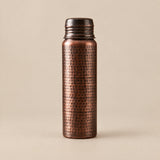
As Master Copper Smith, we produce products such as handmade water flasks, coffee pots, teapots, pots, pitchers, cups, trays, and bracelets from pure copper in our workshop in Gaziantep. Each of our products is crafted with traditional methods and great care. You can visit our store to view our handmade copper pots and pans that will add value to your kitchen or our home gift sets that could be a meaningful gift for your loved ones. Bring the unique beauty and warmth of copper into your kitchens.
Master's Note
Every copper pot we hammer in our workshop gains a natural patina over time. Protecting the beauty of this patina or returning it to its first-day shine is entirely in your hands. Remember, the spirit of copper shines with the care shown to it.
Products Mentioned in the Article


Frequently Asked Questions
Is it suitable to wash copper pots in the dishwasher?
No, copper pots should never be washed in the dishwasher. The harsh detergents and high heat of the dishwasher will darken the copper's surface and damage the tin coating.
Is it possible to completely prevent copper pots from tarnishing?
Copper naturally oxidizes and tarnishes when in contact with air. Although it is not possible to prevent this entirely, the tarnishing process can be slowed down and the shine maintained with regular cleaning and care.
Why is the tin lining inside a copper pot important?
The tin lining provides a healthy cooking environment by preventing direct contact between the copper and food. It stops acidic foods from reacting with the copper and is critical for food safety.
Can I use chemical products for polishing?
You should avoid using chemical-based, abrasive cleaners to polish copper pots. Natural methods, such as lemon-salt or vinegar-flour, provide the best results without damaging the structure of the copper.
What should I do about stubborn stains on my copper pots?
For stubborn stains, you can apply a thicker layer of vinegar and flour paste and extend the waiting time (up to 30 minutes). You will see the stain come off by gently scrubbing and rinsing with plenty of water.
Can acidic foods be cooked in a copper pot?
Yes, acidic foods can be cooked in a tinned copper pot, but it is important to transfer the food to another container after cooking and to clean the pot immediately. Letting food sit for a long time can damage the tin lining.
Discover: Pots and Pans
Best Sellers


