

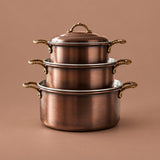


When Should Copper Pots Be Retinned?

In brief: The time to have your copper pots retinned comes when you notice the tin layer wearing off, darkening, or the reddish color of the copper becoming prominent. On average, a professional tinning inspection and renewal are recommended every 1–2 years for regularly used copper pots. This is critical for both the longevity of the product and its safe use.
- Wear, darkening, or exposure of the copper surface indicates it is time for retinning.
- Cooking acidic foods in unlined copper pots poses health risks, so the tin coating should be checked regularly.
- You can use your copper pots for generations with proper maintenance and regular retinning.
The time to retin your copper pots depends on the color and integrity of the tin layer. You generally need to have this process done when you notice the tin thinning, darkening, or the reddish color of the copper beginning to appear. On average, a tin inspection every 1–2 years is important for a regularly used copper pot.
In our workshop in Gaziantep, while keeping the generations-old copperworking tradition alive, we know how important proper maintenance is for the longevity of our handmade pure copper products. Especially for the copper pots and pans we use in the kitchen, tinning is not just an aesthetic renewal, but also the key to healthy and safe use. In this article, we will share when your copper pot's tin needs to be renewed, why this process is so critical, and our experience as Master Coppersmiths on this subject.
How to Tell If a Copper Pot Needs Retinning?
Recognizing when your copper pot needs retinning is quite simple and usually reveals itself with visible signs. The tin layer on the inner surface wears down, thins, and loses its color over time due to usage, cooking frequency, and cleaning habits.
Firstly, you will see the silvery shine inside the pot being replaced by a dull, darkened appearance, or parts where the natural reddish color of the copper begins to show. Especially on the base and sides, scratches caused by the friction of spoons or other kitchen utensils are the most obvious signs that the tin is thinning. If you can spot the copper color in these areas, it is a clear indication that the tin layer no longer provides sufficient protection. Additionally, if there is flaking, blistering, or cracking in the tin layer, it means it must be renewed. In such cases, you should consult an expert and have your pot retinned before using it again. For products like the Black 4-Piece Hand-Embroidered Tinned Pure Copper Pot Set produced in our workshop, we recommend regular checks to ensure the tin remains as bright and smooth as the first day. Remember, the darker the tin color or the more the copper surface is exposed, the more urgent the need for tinning. Early intervention extends the life of your pot and eliminates risks to your health.
Is It Safe to Cook in Unlined Copper?
No, cooking in unlined copper pots is definitely not safe and can carry serious health risks. While copper is essential for the human body like some minerals, it can have toxic effects when ingested in large quantities.
Especially acidic foods and drinks such as tomatoes, lemon, or vinegar react with unlined copper, causing the copper to dissolve and mix into the food. This can lead to discomforts such as nausea, vomiting, and diarrhea. The tin lining eliminates such risks by cutting off the direct contact of copper with food. For this reason, it is of vital importance that the inner surfaces of all copper vessels used for cooking are covered with a complete and solid layer of tin. If you notice that your copper pot's tin is worn, you should avoid using it for cooking and have it retinned as soon as possible. Although internal tinning is not mandatory for copper products not intended for direct cooking, such as copper pitchers or copper cups, it is still recommended when used for drinking water or acidic beverages. However, the situation is different for pots and pans; tin lining is indispensable. Every handmade copper pot produced in our Gaziantep workshop is carefully tinned in accordance with these health and safety principles.

How Does the Copper Pot Tinning Process Work?
Copper pot tinning is a traditional craft that requires skill and attention. In our Gaziantep workshop, we meticulously carry out this process to extend the life of the copper and ensure its safe use. Here is the step-by-step tinning process:
- Cleaning the Old Tin: First, the old and worn tin layer on the inner surface of the pot is completely cleaned off. This process is carried out using different chemicals and mechanical methods depending on the type of pot and the condition of the tin. The goal is to fully expose the copper.
- Surface Preparation: The cleaned copper surface undergoes a special process to ensure better adhesion of the new tin. At this stage, the inner surface of the copper is slightly roughened to make it ideal for tinning. This allows the tin to last longer.
- Tin Application: The pot is heated over a high flame on a heat-resistant surface. Once it reaches a certain temperature, it is cleaned with a special acid mixture (ammonium chloride), and then pure tin bars are applied inside the pot. The master uses a cotton cloth to spread the molten tin homogeneously over the entire inner surface of the pot. This ensures that the tin fully penetrates the copper and forms a smooth layer. We take care at every point to ensure the tin is evenly distributed.
- Cooling and Cleaning: After the tinning process is completed, the pot is left to cool down slowly. Rapid cooling can cause cracks in the tin layer. Once cooled, the pot is washed and dried to remove any residues and to polish it.
Thanks to this meticulous process, your copper pot becomes as bright, safe, and ready for use as it was on the first day. For example, for customers who want our tinned products like the Oval Polished Pot Set to remain as tinned and bright as the day they bought them, we offer this service with great precision.
How to Maintain Tinned Copper Pots?
Knowing the correct maintenance methods is very important to extend the life of your tinned copper pots and protect the tin layer. Incorrect practices can cause the tin to wear out quickly.
- Hand Washing is Essential: Never wash tinned copper pots in the dishwasher. The high heat of dishwashers and detergents containing harsh chemicals cause irreparable damage to the tin layer and accelerate its wear. Wash your pot by hand after every use with warm water, a soft sponge, and a non-abrasive dish soap.
- Avoid Abrasive Cleaners: Abrasive cleaning materials such as wire brushes, metal scouring pads, or scrubbing powders can scratch and thin the tin layer. Use soft cloths or sponges instead.
- Drying is Important: Dry your pot immediately after washing. Leaving it wet can lead to water spots and darkening over time.
- Do Not Keep Acidic Foods Inside: Even if tinned, avoid keeping acidic foods like lemon, tomatoes, or vinegar in copper pots for long periods. Transfer the food to another container immediately after cooking is finished.
- Storage: Store your pot in a dry place away from moisture. You can place a soft cloth between them when stacking to prevent scratches.
These simple maintenance steps help preserve the tin of your valuable products, such as the Silver-Colored Handcrafted Tinned Pure Copper Cooking Pot, for many years. For more information on the general maintenance and cleaning of your copper products, you can visit our kitchen accessories category.
How Often Is Copper Pot Tinning Necessary?
The frequency of tinning for copper pots varies depending on usage intensity, the type of food cooked, and cleaning habits. However, as a general guide, it is recommended to have the tin of a regularly used copper pot inspected and, if necessary, renewed every 1 to 2 years.
For some pots, such as those used only on special occasions or rarely, this duration may be longer. However, the tin can wear out faster in pots used daily, especially where acidic foods are frequently cooked. As soon as you notice the tin layer visibly wearing off, darkening, or the color of the copper becoming prominent, it is important to have the tin renewed without waiting. This both extends the life of your pot and provides a healthy and safe cooking environment. In our workshop, when customers bring us products such as the Black Handmade Tinned Pure Copper Pot, we meticulously examine the condition of the tin and determine the most appropriate time for renewal. Remember that the better you use and maintain your tinned copper pot, the longer you can delay the need for re-tinning. Habits such as leaving it empty over very high heat for a long time or stirring with metal spoons inside the pot can shorten the life of the tin.
How to Recognize Genuine Tinned Copper Products?
Although there are different alloys or low-quality coatings on the market sold under the name of copper, there are some ways to identify a genuine tinned and pure copper product. As Master Coppersmiths, we can give you a few tips to ensure the quality of your products.
First of all, a genuine tin coating should have a homogeneous, smooth, and bright silvery appearance on the inner surface of the pot. When you run your hand over the surface, you should not feel any roughness, gaps, or bubbles. The tin layer should completely cover the reddish color of the copper and should not allow the copper to be seen in patches. Also, a tinned copper product usually has a less intense shine than copper itself. Since tin is a softer metal compared to copper, it may leave a very slight mark if you test it gently with your fingernail; however, this does not mean the tin is peeling off easily. The weight of the product can also be a clue; pure and handmade copper products are usually heavier and give a feeling of high-quality craftsmanship. All products produced in our workshop are prepared using pure copper and traditional tinning techniques, ensuring they are of a quality you can safely use for many years.
Your copper pots will continue to be an indispensable part of your kitchen with proper care and timely tin renewal. To discover our handcrafted products from Gaziantep and bring the warmth of copper into your home, you can visit our pots and pans category. Also, if you are looking for a meaningful and lasting gift for your loved ones, you can browse our Home Gift Sets.
Master's Note
When tinning in our workshop, we roughen the inner surface of the pot using a special technique to ensure the tin adheres perfectly to the copper. This ensures the tin lasts longer and your pot remains more durable. Additionally, by allowing the pot to cool slowly after tinning, we guarantee that the tin layer is more homogeneous and strong.
Products Mentioned in the Article


Frequently Asked Questions
Can I retin a copper pot myself?
Copper tinning is a skilled craft that requires special equipment, the right materials, and experience. It is best to get support from a reliable coppersmith rather than trying it at home.
Are tinned copper pots dishwasher safe?
No, tinned copper pots should never be washed in a dishwasher. The machine's harsh detergents and high heat will damage the tin layer and shorten its life.
Why does the tin in a copper pot darken?
Darkening of the tin can occur over time due to exposure to heat, interaction with food, and incorrect cleaning methods. This is a sign that the tin is beginning to lose its functionality.
Should I retin a newly bought copper pot immediately?
If the interior of the newly purchased copper pot is tinned, you do not need to retin it immediately. It is sufficient to check the integrity of the tin layer before you start using the product.
What kind of foods can I cook in an unlined copper pot?
In unlined copper pots, only foods like water or long-simmered, non-acidic items like jams can be cooked for very short periods. However, in general, it is not recommended to cook food in unlined copper.
How do I know the quality of the tinning in a copper pot?
A high-quality tin coating should be spread smoothly and homogeneously over the inner surface of the pot, with a bright silvery color. There should be no gaps or bubbles.
Explore: Pots and Pans
Best Sellers


