



How to Use Copper Pots?

In brief: Before using your copper pot, wash it with warm soapy water and dry it thoroughly. To protect the tinned interior, avoid metal utensils and do not leave acidic foods in it for long periods. Use low to medium heat to utilize heat efficiently and have the tin lining checked regularly.
- Clean and dry your copper pot before its first use and ensure the interior surface is tinned.
- Prefer low-to-medium heat during cooking, avoid using metal utensils, and do not leave acidic foods in the pot for a long time.
- Wash your pot only by hand, avoid using abrasives, polish the exterior with natural methods, and have the tin lining checked regularly.
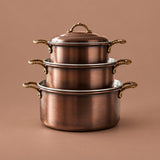
Using a copper pot adds a unique flavor to your dishes while offering a long-lasting kitchen companion when cared for with the right steps. There are some essential points you should pay attention to when using these special vessels, which are produced in our workshops in Gaziantep using a coppersmithing tradition that has spanned generations. In this article, we will explain how to use your copper pot correctly and safely, from its first use to your daily cooking habits, with the expertise of a Master Coppersmith.
What Should I Do Before Using a Copper Pot for the First Time?
When you acquire a new copper pot, you need to complete a few preparation steps before putting it on the stove. These steps extend the life of your pot and ensure you get the best performance from your first use.
- Washing and Drying: First, wash your pot gently with warm water and mild soap. Take care to use a soft sponge that will not scratch the interior surface (the tinned part). Then, rinse with plenty of water and dry completely with a cotton cloth. Ensure no water droplets remain to prevent staining.
- Interior Surface Check: Make sure your pot's interior surface is tinned. Traditionally, copper pots are produced with their interiors coated in tin, as this is the part that comes into direct contact with food. This tin layer prevents the copper from reacting with acidic foods and ensures safe usage for health. All copper pot sets we produce in our workshop reach you with this traditional and safe tinning process.
- Light Heating (Optional): Some masters recommend heating the inside of the pot lightly over very low heat before the first use and spreading a small amount of oil (such as olive oil) across the entire tinned surface using a paper towel. This process, also called "seasoning" the tin layer, can help increase the non-stick properties of the pot. However, be careful not to overheat the pot or burn the oil during this step.
Which Rules Should I Follow When Cooking in a Copper Pot?
Copper is a metal that distributes heat extremely quickly and evenly. While this feature makes your food cook more deliciously, it also brings some special usage rules. To use your copper pot in the most efficient and safe way, you should pay attention to the following points:
- Heat Control: Copper pots provide excellent results on low and medium heat. You do not need high heat; in fact, using high heat can damage the tin lining, so you should cook your food gently. It is especially ideal for dishes that cook over low heat for a long time, such as rice or stews. For example, while steaming rice in a copper rice pot, you can achieve fluffy results due to its superior heat retention.
- Protecting the Tin Lining: The tin lining on the interior surface of copper pots is vital for your health and the longevity of your pot. Therefore, take care to use wooden, silicone, or plastic kitchen utensils instead of metal spoons or spatulas while cooking. Sharp or abrasive tools can scratch and wear down the tin layer.
- Acidic Foods and Waiting Time: Be careful when cooking acidic foods such as lemon, vinegar, or tomato paste in copper pots. While short cooking times are not a problem, avoid leaving such foods in the pot for long periods after cooking. Acid can cause the tin lining to wear away over time. It is best to transfer your meals to another container immediately after cooking.
- Do Not Heat an Empty Pot: Never heat your copper pot on high heat while empty. This can seriously damage the tin lining and shorten the pot's lifespan. Turn on the heat after adding the food or liquid.

Which Dishes Are Copper Pots Ideal For?
The excellent heat conduction and distribution properties of copper pots make them indispensable for certain types of food. Copper also has a significant place in the richness of Gaziantep cuisine. Here are some dishes where you can make the best use of your copper pot:
- Rice and Bulgur Dishes: Thanks to copper's even heat distribution, your rice will be fluffy and your bulgur dishes will be cooked to perfection. The risk of sticking to the bottom is reduced and the flavor is enhanced.
- Stews and Soupy Dishes: Meat stews, vegetable dishes, or olive oil-based dishes that cook over low heat for a long time release their aromas better and cook more homogeneously in a copper pot.
- Jams and Marmalades: Copper helps jams retain their color and brightness. At the same time, because it distributes heat gently, it prevents sugar from sticking to the bottom. However, be careful not to leave acidic fruits (like strawberries or sour cherries) in the pot for a long time.
- Sauces and Soups: Copper pots are ideal for recipes that require precise heat control, such as milk-based sauces or creamy soups. They reduce the risk of burning and make it easier to achieve the perfect consistency. The 5-liter engraved copper pot from our workshop is perfect for preparing soup or main dishes for large gatherings.
Copper pots are used not only for cooking but also for adding elegance to tables. For instance, copper trays or shallow bowls (sahan) are often included among special presentation products.
How to Clean and Maintain Copper Pots?
Regular and proper cleaning and maintenance are essential for your copper pot to maintain its shine and performance for many years. Incorrect cleaning methods can harm both the aesthetics and functionality of your pot.
- Hand Washing is a Must: Copper pots should never be washed in the dishwasher. Harsh detergents and high temperatures in dishwashers can darken the exterior of the copper and damage the tin lining inside. After each use, wash by hand with warm water, a soft sponge, and a small amount of dish soap.
- Avoid Using Abrasives: Abrasive cleaning tools like wire brushes or metal sponges can scratch the tin lining. Always use soft cloths or sponges. You can soak the pot in warm water for a while for stubborn stains.
- Drying is Important: Dry completely with a soft, dry cloth immediately after washing. Water droplets left on the copper can lead to stains and darkening over time. This is also a way to maintain the copper's natural shine.
- Polishing the Exterior: The exterior of the copper may darken over time due to oxidation. This is a natural process. You can use commercially available copper polishers or try natural methods at home. A mixture of lemon juice and salt or vinegar and flour can help restore the copper's natural shine. Apply the mixture to the copper surface with a cloth, wait a few minutes, then rinse and dry. However, avoid applying these natural methods to the tinned interior surface.
- Avoid Using Chemicals: Cleaning products containing bleach or ammonia are definitely not suitable for copper. These chemicals damage the copper and discolor it.
A copper pot that is properly maintained remains both a functional and aesthetic part of your kitchen. Sometimes, these special pieces can even be part of a meaningful home gift set for your loved ones.
What is the Importance and Frequency of Copper Pot Tinning?
The tin lining on the interior surface of copper pots is a fundamental element for the safe and healthy use of your pot. Tin prevents direct contact between the copper and food, preventing the metal from oxidizing and keeping potentially harmful copper compounds from mixing into your food.
- Importance of Tinning: Copper vessels without tin can only be used for carrying water or for decorative purposes. However, the interior surface of all copper vessels used for cooking and storing food must be tinned. The tin layer prevents copper from leaching into food, especially when in contact with acidic foods (such as tomatoes, lemon, or yogurt).
-
When Should I Have It Retinned?: There are some signs that the tin coating is beginning to wear off:
- The copper color becoming visible on the interior surface.
- The tin starting to flake off.
- Dulling or discoloration inside the pot.
- Where Should I Have It Retinned?: Tinning is a traditional craft and must be performed by professional coppersmiths who specialize in this field. As Master Coppersmiths, we have been performing this task in our workshop in Gaziantep for generations using the most accurate techniques. An incorrect or incomplete tinning process can shorten the life of your pot and risk usage safety. You can have this done by sending your pot to us or consulting a reliable coppersmith in your area.
Taking good care of your copper pot not only adds aesthetic value but also allows you to prepare healthy and delicious meals in your kitchen. You can browse our best-sellers collection to discover our copper products, which are symbols of traditional craftsmanship and quality.
Each of these special products carried from Gaziantep to your tables is shaped by the manual labor and experience of our masters. Wishing you many delicious meals cooked with your copper pot...
Master's Note
The tin lining of the copper pots we produce in our workshop is carefully applied for long-lasting use. Not leaving your pot on high heat when empty is one of the most important secrets to extending the life of the tin. Additionally, we recommend that you always use wooden or silicone spoons to avoid scratching the tinned surface.
Products Mentioned in the Article


Frequently Asked Questions
Does a copper pot require special preparation before the first use?
Yes, it should be washed with warm soapy water and dried thoroughly before the first use. It is also important to ensure the interior surface is tinned.
What types of food are better to cook in a copper pot?
Because copper pots distribute heat evenly, they are ideal for dishes like rice, stews, jams, and delicate sauces.
Can I wash the copper pot in the dishwasher?
No, copper pots should never be washed in the dishwasher; this causes the copper to darken and damages the tin lining.
Why must copper pots be tinned?
The tin coating prevents the copper from reacting with acidic foods, which would otherwise allow potentially harmful compounds to mix into the food, and ensures healthy use.
How do I know if the tin lining of the copper pot is worn out?
If the copper color becomes prominent on the interior surface, if the tin starts to flake off, or if it becomes dull, these are signs that it needs to be retinned.
Are there natural methods to polish a copper pot?
Yes, natural methods such as a mixture of lemon juice and salt or vinegar and flour can be used to polish the exterior surface of the copper.
Explore: Pots and Pans
Best Sellers


