



How to Identify Real Copper Cookware?

In brief: The most fundamental ways to recognize a real copper pot are the product's weight and gauge (thickness), the natural color and texture of the copper, the quality of the tin lining on the inner surface, and the distinct signs of hand-craftsmanship. A heavy, solid-feeling, warm reddish-colored copper pot with a smooth tin lining is generally a pure and high-quality product.
- Real copper pots must have a certain weight and thickness that distribute heat better and increase durability.
- The inner surface of copper products to be used in the kitchen must definitely be tin-lined for health and safety, and this tinning must be checked periodically.
- Hand-craftsmanship and hammering marks are important indicators that distinguish the piece from industrial production, showing the unique character and value of the copper.
The ancient guest of our kitchens, copper pots that add flavor to our meals... But how do we know if a copper pot is truly pure and handmade? Choosing a real copper pot is of critical importance for both your kitchen enjoyment and the product's lifespan. From the heart of Gaziantep, with the years of experience of our masters, we offer you practical information to guide you on this subject.
Why are the Weight and Thickness of a Copper Pot Important?
One of the most obvious characteristics of a real copper pot is its weight and thickness that you will feel when you hold it in your hand. Thick and heavy copper distributes heat much more homogeneously, so your food cooks evenly throughout without sticking to the bottom. In addition, a thick copper pot is more resistant to deformation and retains its form for many years.
In our products, such as the heavily engraved copper pots produced in our workshop, we take special care to ensure the copper reaches the ideal thickness. Copper pots that appear more affordable in the market but are thin and light can conduct heat unevenly and can be easily dented over time. A real copper pot should give a 'substantial' and 'sturdy' feel when you hold it. Generally, the thickness of high-quality kitchen-type copper pots ranges between 1.5 mm and 3 mm. Thinner ones are usually for decorative purposes and are not suitable for cooking.
What Does the Color and Texture of Copper Tell Us?
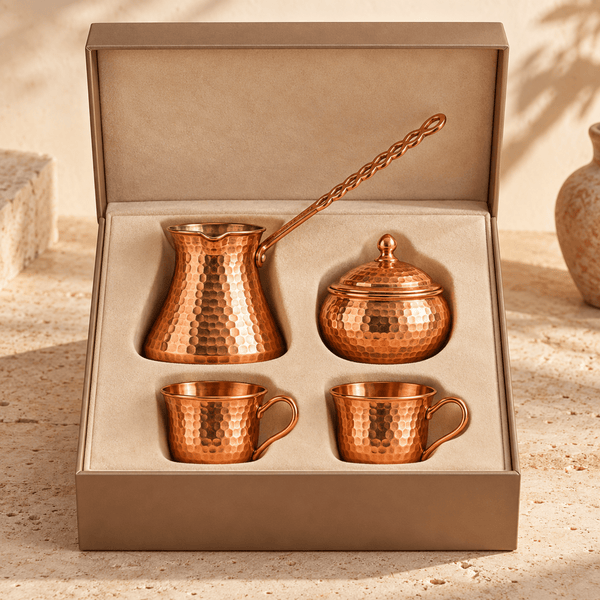
Pure copper has a unique, warm, and slightly reddish tone. This color shines slightly under light, but an excessively bright and 'mirror-like' surface may sometimes indicate that there might be a polish layer or an alloy on the copper. In handmade copper products, especially in hammered copper, slight undulations or the marks of the masters' hammers can be seen on the surface. These marks are the best evidence that the product was shaped by human hands, not by a machine.
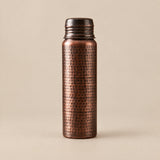
In our Usta Bakırcı workshop, we maintain the natural color and texture of the copper, giving each product a unique character. For example, a rice pot with a hammered surface not only shows aesthetic value but also indicates that the copper is pure and processed with hand-craftsmanship. Shiny and smooth surfaces can also be copper, but hammer marks are a clearer indicator that the product was produced using traditional methods.

Is Tin Lining Indispensable?
Yes, the interior of all copper kitchen products that will come into direct contact with food must be coated with tin. Tin cuts off the direct contact of copper with food, preventing especially acidic foods (such as lemon, tomato, vinegar) from reacting with the copper and creating harmful compounds. This is the most basic safety rule for using copper in the kitchen.
Tin Lining Inspection and Its Importance:
- Surface Inspection: The tin lining should cover the inner surface of the pot completely and smoothly. If there is any wear, scratches, or spots where the copper is visible underneath, it means the pot needs to be re-tinned.
- Color and Luster: The interior of a newly tinned copper pot should be silver-colored and have a slightly matte luster. An overly bright, mirror-like tin coating can sometimes indicate that the tin was applied too thinly.
- Periodic Inspection: Depending on the frequency of use, it is recommended that the tin lining be checked every year or two and renewed if necessary.
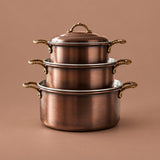
In our products, such as the copper pot sets produced in our workshop, the tinning process is done using traditional methods and pure tin. This ensures that our products can be used safely in the kitchen.
| Feature | Tinned Copper Pot (For Kitchen) | Untinned Copper Pot (For Kitchen) |
|---|---|---|
| Food Contact | Safe, prevents acidic reaction. | Unsafe in contact with acidic foods. |
| Inner Surface Color | Silver color (tin) | Copper color |
| Usage Area | Cooking, storage (short term) | Only decorative or boiling water (except tinned coffee pots) |
| Maintenance | Tin inspection and renewal required. | Only exterior cleaning is sufficient. |
Why are Hand-craftsmanship and Hammering Marks Valuable?
Real copper pots are shaped by the manual labor of masters rather than mass-production machines. This means that each product has a unique story of its own. Hand-hammered marks manifest themselves as small hammer strikes or roughness visible on the copper's surface. These marks are not just an aesthetic detail, but also a sign that increases the strength of the copper and allows it to conduct heat better.
In our workshop in Gaziantep, our masters spend hours of effort on each copper pot and pan. The process of shaping the copper by heating and hammering it directly affects the durability and quality of the product. While machine-pressed copper products usually have a flawlessly smooth and patternless surface, handmade products have these natural 'imperfections' and characteristics. This shows that the product is not just a kitchen utensil, but also a work of art.
What are the Tips for Copper Pot Maintenance and Long-lasting Use?
Correct maintenance methods are very important to extend the life of a real copper pot and to maintain its first-day shine. With proper care, copper is a durable material that can be passed down from generation to generation.
Copper Pot Maintenance Steps:
- Hand Washing is Essential: Never wash copper pots in the dishwasher. The high heat and harsh detergents of the dishwasher can cause the copper to tarnish and the tin lining to be damaged. Use warm water, a soft sponge, and dish detergents produced specifically for copper or natural ones.
- Natural Cleaners: To remove tarnish on the outer surface of the copper, you can use a mixture of lemon juice and salt or vinegar. Gently rub the copper with a cloth dipped in this mixture, then rinse well with plenty of water and dry.
- Rapid Drying: Thoroughly dry your copper pot with a soft cloth immediately after washing. Water droplets remaining on it can cause water spots and tarnishing over time.
- Beware of Acidic Foods: Even if it is tinned, do not leave acidic foods (lemon sauces, tomato dishes, etc.) in copper pots for a long time. After cooking, immediately transfer the food to another container.
- Tin Inspection: Regularly check the tin lining inside your pot. If there is wear in the tin or spots where the copper is visible, you need to have your pot re-tinned. This is vital for the safe use of the product.
You can accumulate pleasant memories for many years with your products such as Usta Bakırcı's pot sets.
What Should be Considered When Buying a Copper Pot?
When buying a copper pot, it is necessary to pay attention to a few important points to ensure the quality of the product. This ensures you get your money's worth and have a healthy and enjoyable experience in your kitchen.
Shopping Tips:
- Reliable Seller: Prefer long-established and reliable sellers who provide transparent information about the origin of the product, the production process, and the materials used. As Usta Bakırcı, we guarantee that every product of ours is pure copper and handmade.
- Tin Lining Certificate: If possible, ask if there is a certificate or guarantee that the tin lining is suitable for food safety.
- Inspection Opportunity: If you have the chance to inspect the product physically, check its weight, thickness, the smoothness of the inner tin lining, and the signs of hand-craftsmanship on the outer surface. In online shopping, pay attention to detailed product descriptions and images.
- Product Descriptions: Make sure that expressions such as 'pure copper', 'handmade', and 'tin-lined interior' are clearly stated in the product descriptions.
If you are looking for a special gift for your loved ones or want to enrich your own kitchen with a traditional touch, you can browse our home gift sets.
We hope this information helps you when choosing a real copper pot. If you would like to add a traditional touch to your kitchens with our handmade copper products coming from Gaziantep, you can visit our pots and pans category. Each of our products is shaped by the experience of our masters and their love for copper. We wish you to cook healthy and delicious meals!
Master's Note
In our workshop, we know that a real copper pot reveals itself not only with its visual beauty but also with the 'solid' feel it gives when you hold it in your hand. Our masters believe that every strike while hammering the copper is etched into the character of the pot, and this subtlety directly affects the life and performance of the product.
Products Mentioned in the Article


Frequently Asked Questions
What kind of dishes can be cooked in copper pots?
Copper pots are suitable for cooking all kinds of dishes as long as they are tinned. They are especially ideal for stews, rice, and meat dishes that cook for a long time on low heat, thanks to their feature of distributing heat evenly.
What should I do before using a copper pot for the first time?
Before using your copper pot for the first time, wash it with warm water and mild dish detergent, then rinse and dry thoroughly. This will clean away any dust or residue from production.
Why are real copper pots more expensive?
The high price of real copper pots stems from the cost of the pure copper used, intensive hand-craftsmanship, and special processes such as tinning. This labor and material quality ensure the product is long-lasting and high-performing.
My copper pot has tarnished, what should I do?
When the exterior of your copper pot tarnishes, you can rub it with a mixture of lemon juice and salt or vinegar. If the interior tin lining has tarnished or worn out, it must be re-tinned by a professional tinner for safe use.
Should I pay attention to the warranty when buying a copper pot?
Yes, checking whether the copper pots you buy from a reliable seller have a warranty against manufacturing defects or return/exchange conditions protects you against possible problems.
Discover: Pots and Pans
Best Sellers


