



Why Is the Inside of a Copper Teapot Tinned?

In brief: The interior of copper teapots is tinned on surfaces with direct food contact to prevent the copper from oxidizing by reacting with food and beverages. This traditional process extends the life of the teapot, preserves the taste and color of your tea, and ensures safe usage.
- The interior of copper teapots is tinned to prevent contact with acidic beverages for food safety and product longevity.
- Tinning is the process of coating the inner surface of the copper with molten pure tin, performed skillfully using traditional methods.
- Tinned copper products should be cleaned by hand, prolonged contact with acidic foods should be avoided, and the tin layer should be checked regularly.
The interior of copper teapots is tinned on surfaces with direct food contact to prevent the copper from reacting with food and beverages. This traditional process extends the life of the teapot, preserves the taste and color of your tea, and ensures safe usage. In our workshop in Gaziantep, our masters carry out this delicate tinning process with great care.
Copper and Food Contact: Why is Tinning Essential?
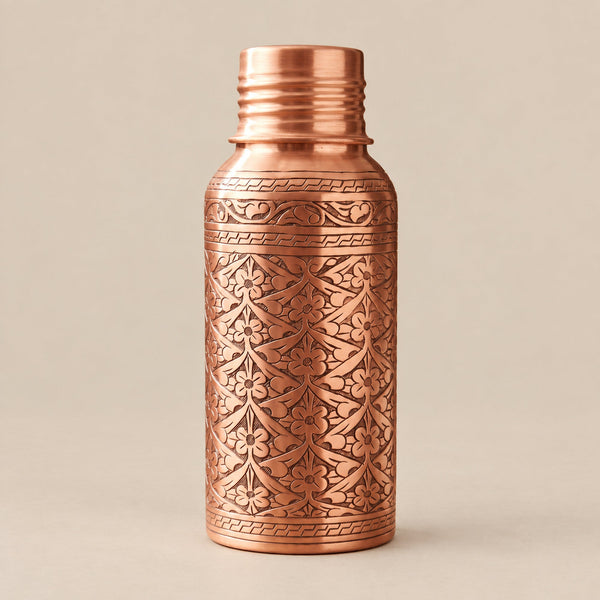
Tinning is essential to prevent copper from oxidizing due to prolonged contact with acidic foods and beverages, thereby ensuring food safety. Copper is naturally a reactive metal. Especially when in contact with acidic beverages like tea, it can eventually oxidize and form a greenish layer (verdigris). This oxidation negatively affects the taste of the tea and can create undesirable health conditions. Tin is a much less reactive metal than copper and does not react when in contact with food. Therefore, coating the inner surface of the teapot with tin eliminates direct contact between copper and the food, creating a safe area for use. All teapots produced in our workshop are offered to you with their inner surfaces fully tinned to meet this important safety standard. For example, you can see this meticulousness in our models such as the Oval Engraved Red Tinned Pure Copper Teapot 2 L.
The Tinning Process: How is it Done at Usta Bakırcı?
In Usta Bakırcı workshops, tinning is based on the principle of completely covering the inner surface of the copper with molten pure tin, and this process requires great skill. Tinning is not just a coating process but also one of the most important steps in copper craftsmanship. Our masters in Gaziantep apply this process with traditional methods and great meticulousness:
- Preparation and Cleaning: First, the inner surface of the copper teapot is cleared of oil and dirt and smoothed out. This stage is critical for the tin to adhere well to the copper.
- Heating: The copper teapot is brought to a controlled temperature in special furnaces or on stoves that will ensure the tin reaches its melting point. The temperature setting is crucial for the tin to spread homogeneously over the copper.
- Tin Application: When the teapot is sufficiently heated, pure tin pieces are placed on the inner surface. The master carefully spreads the melting tin over the entire inner surface of the teapot with the help of a cotton cloth or a special buffer. This spreading process is done to create a thin and even layer, ensuring no gaps remain.
- Polishing and Cooling: Once tinning is complete, the teapot is left to cool slowly, and then the excess is cleaned and polished. As a result, the tinned surface gains a bright and smooth appearance.
This handmade process ensures that every one of our products, such as the Pyramid Embossed Black Tinned Pure Copper Teapot, is long-lasting and safe.

What Should You Pay Attention to When Using Tinned Copper Teapots?
To extend the life of your tinned copper teapots and maintain their safe use, you need to pay special attention to their cleaning and storage conditions. Copper products are valuable items that can be used for generations with proper care. Here is what you should pay attention to:
- Acidic Foods: Avoid leaving acidic foods and drinks like lemon, vinegar, and tomatoes in tinned copper containers for a long time. The tin layer may carry the risk of thinning or deteriorating in overly acidic environments over time. It is recommended to transfer the tea to another container immediately after brewing it in your teapots.
- Cleaning: Never wash your copper teapots in the dishwasher. The high temperature and aggressive detergents of the dishwasher can damage the tin layer. Instead, wash them by hand using warm water and a soft sponge. Absolutely avoid using chemical cleaners and bleach. Natural cleaners or just soap and water will suffice.
- Protection from Hard Impacts: The tin layer can be sensitive to hard impacts. Be careful not to drop your teapot or hit it with hard objects.
- Storage: When not in use, store your teapot in a dry and airy place. Humid environments can cause the outer surface of the copper to darken. You can use natural polishes (such as a mixture of lemon and salt) for darkening on the outer surface of the copper.
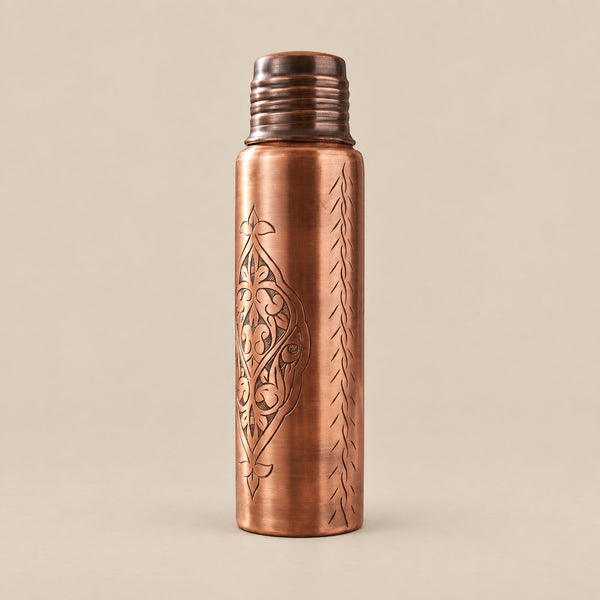
Thanks to these simple steps, you can preserve both the aesthetic appearance and functionality of your stylish products, such as the Engraved Silver-Colored Handmade Pure Copper Teapot, for many years.

When Should the Tinning of Your Copper Teapot be Renewed?
When the tin layer inside your copper teapot wears out, the copper color becomes visible, or deformations such as darkening or blistering occur in the tin, it means it is time to renew the tinning. Tin can wear out over time depending on use. This situation can be observed faster in frequently used products such as teapots.
- Visual Inspection: Check the inside of your teapot regularly. If the shiny copper color starts to appear under the tin layer, this is a sign that the tin has thinned.
- Color Change: If matting, darkening, or greenish spots have started to form on the tin layer, this may indicate that the tin has lost its function.
- Physical Damage: If there are scratches, blisters, or shedding in the tin layer, copper can come into direct contact with food from these areas, and the tin renewal process becomes inevitable.
As Usta Bakırcı, we recommend checking your product every 1-2 years on average, depending on the condition of the tin, and renewing it if necessary. This duration may vary depending on the frequency of use and the method of maintenance. The tin renewal process is the most effective way to restore your copper products to their original safety. We also provide this service in our workshop with great care.
As Usta Bakırcı, we produce each of our copper teapots and other kitchenware with the craftsmanship passed down from generation to generation in our workshop in Gaziantep. With our designs where traditional meets modern, if you want to both add an aesthetic touch to your kitchen and have a safe and healthy usage experience, you can browse our products. If you are looking for a special and meaningful gift for your loved ones, our handmade copper products will be a great choice.
Master's Note
When tinning every copper teapot in our workshop, we take care to use the purest tin and coat every point equally. This meticulousness ensures that your teapot not only looks beautiful but also serves you safely for years. The tin layer is like the heart of the copper; protecting it extends the life of the product.
Products Mentioned in the Article


Frequently Asked Questions
Why should a copper teapot not be used without tinning?
Untinned copper can react with acidic beverages and oxidize, which can both spoil the taste of the beverage and lead to undesirable results in terms of health.
How do I know if the tin layer is damaged?
When the copper color starts to appear on the inner surface, or when darkening, blistering, or scratches occur in the tin, it is understood that the tin needs to be renewed.
Can a tinned copper teapot be washed in the dishwasher?
No, it should be washed by hand with warm water and a soft sponge, as the high temperature and chemical detergents of the dishwasher will damage the tin layer.
What should I do to extend the life of tinned copper products?
Do not leave acidic foods in them for a long time, wash them by hand, protect them from hard impacts, and store them in a dry place.
How often should the tin renewal process be performed?
Although it varies depending on the frequency of use and maintenance, it is recommended to check it every 1-2 years on average and renew it when necessary.
Explore: Teapots
Best Sellers


