

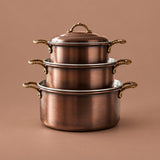


Copper teapot or steel teapot?

In short: Copper teapots enrich the tea's aroma thanks to their superior heat conductivity and offer a traditional aesthetic. Steel teapots, on the other hand, stand out with their durability, easy maintenance, and modern designs. Your choice depends on your expectations for your tea experience and your kitchen habits.
- Copper teapots deepen the flavor of the tea with fast and homogeneous heat distribution, while steel teapots offer practicality and easy cleaning.
- It is critically important for health and safety that the inner surface of copper teapots is tinned and that they do not remain in contact with acidic foods for long periods.
- Copper teapots should be hand-washed and dried immediately; steel teapots are generally dishwasher safe.
Choosing a teapot that elevates your tea enjoyment in the kitchen depends on many factors, from your personal taste to your usage habits. Copper teapots are particularly prominent for those who love traditional touches, while steel teapots are preferred by those seeking practicality in modern kitchens. When deciding which material is more suitable for you, it is important to consider the unique advantages and aspects requiring attention for both.
Why Choose a Copper Teapot?
Copper teapots are indispensable for those who care about the flavor and brewing quality of their tea. Thanks to copper's high thermal conductivity, the water heats up much faster and more uniformly, which helps the aroma of the tea to fully emerge.
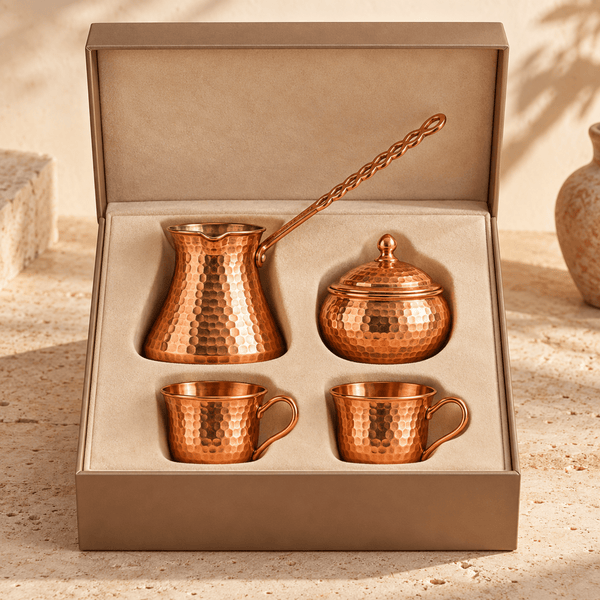
Handcrafted by our master artisans in our workshop in Gaziantep, our copper teapots represent a cultural heritage beyond being just kitchenware. The unique heat distribution of copper ensures that every part of the tea remains at the same temperature, perfecting the brewing process. This way, your tea is neither too bitter nor too bland; you get a delicious brew with the perfect consistency. For example, when brewing traditional Turkish tea, this balanced heat provided by copper maximizes the color and scent of the tea.
Advantages of a Copper Teapot:
- Superior Heat Conductivity: Copper distributes heat much faster and more evenly than steel. This allows water to boil quicker and tea to brew more efficiently. This is a major plus for those who have no patience to wait for their morning tea.
- Flavor Contribution: The homogeneous heat distribution of copper allows tea leaves to better release their aroma into the water. This deepens the taste of the tea and provides a richer brew.
- Aesthetic and Traditional Texture: Hand-hammered copper teapots add an authentic and warm atmosphere to your kitchen. Each one is a work of art and a stylish serving tool that will impress your guests. Models like the Oval Silver-Embossed Copper Teapot, in particular, stand out with their elegance.
- Longevity: With proper care, copper teapots can be used for generations. The pure copper and traditional tinning techniques we use in our workshop increase the durability of our products.
What Are the Advantages of Steel Teapots?
Steel teapots are designed to meet the expectations of practicality and durability brought by modern life. They offer different advantages compared to copper and may be a more suitable option for some users.
Stainless steel, as the name suggests, is known for its resistance to rust. This feature makes steel teapots a long-lasting and hygienic option. The fact that they are generally lighter and can be more affordable due to mass production are also reasons for their preference. However, their heat conductivity is lower than copper, which means water may take slightly longer to boil and tea to brew.
Advantages of a Steel Teapot:
- Durability and Easy Maintenance: Steel is quite resistant to scratches and impacts. Their general dishwasher-safe feature provides great convenience in daily use.
- Hygienic Structure: Stainless steel surfaces are less prone to harboring bacteria and can be cleaned easily.
- Modern Design Variety: Steel teapots offer a wide range of designs that can adapt to different kitchen decors. They are ideal for minimalist and modern kitchens.
- Economic Options: They generally offer more affordable options compared to copper teapots.

How to Care for a Copper Teapot?
Regular and proper maintenance is essential for copper teapots to have a long life and retain their original shine. Remember, copper is a living metal and requires attention.
Every handcrafted copper teapot produced in our workshop can accompany your enjoyable tea times for years with the right care. Here is how to care for a copper teapot, step-by-step:
- Hand Washing is Mandatory: Never wash your copper teapots in the dishwasher. The harsh detergents and high temperatures of the dishwasher can damage the surface of the copper and, especially, the tin lining inside. Wash by hand with warm water, a soft sponge, and a gentle dish soap.
- Dry Immediately: After washing, always dry your copper teapot immediately with a dry cloth. This step is very important to prevent water spots and tarnishing.
-
Natural Polishing Methods: Copper can oxidize and tarnish over time. This is a natural process. To restore its shine, you can prefer natural methods instead of chemical polishers:
- Lemon and Salt: Dip half a lemon in salt and gently rub the copper surface. Then, rinse well and dry.
- Vinegar and Salt: Add salt to some vinegar to create a paste. Rub the copper surface with this mixture and rinse.
- Baking Soda and Lemon: Mix a few tablespoons of baking soda with a small amount of lemon juice to make a paste and apply it to the copper surface.
- Tinning Check: The inner surface of copper teapots is coated with tin for health reasons. This tin layer prevents direct contact of the copper with food and beverages. Over time, wear may occur in this tin layer. If the copper color begins to show on the inside, your teapot needs to be re-tinned. You should have this process done only by expert copper workshops.
What Should You Pay Attention to When Using a Copper Teapot?
While copper teapots add beauty and flavor to our kitchens, following some specific usage rules will both extend the life of the product and protect your health. With the experience we have gained from our masters in Gaziantep, we would like to share the main points you need to pay attention to.
- Acidic Foods and Beverages: When copper stays in contact with acidic substances for a long time, oxidation accelerates and copper ions may be released. Therefore, you should not leave acidic foods or beverages such as lemon, vinegar, or tomatoes in copper containers for a long time. This is not a problem when brewing tea because tea is not acidic and the brewing process is kept short. However, it is best to avoid leaving brewed tea in the teapot for hours.
- Heat Control: Because copper conducts heat so well, it heats up quickly over high heat. Placing your teapot on the stove on medium heat and lowering the flame once the water boils saves energy and prevents the base of your teapot from overheating and being damaged. Especially with aesthetic products like the Oval Embossed Red Copper Teapot, overheating can affect the polish on the outer surface.
- Tinned Inner Surface: The inner surface of copper teapots must be tinned for food safety. Ensure that the inner surface of the product is tinned when purchasing. All teapots produced in our workshop are tinned using traditional methods. Remember that when the tin layer wears out, you need to consult a professional tinner to have it re-tinned. This allows you to continue using your product safely.
- Avoid Sharp and Abrasive Materials: Avoid using metal scouring pads, hard brushes, or abrasive cleaning agents when cleaning copper teapots. These materials can scratch the outer surface and damage the inner tin lining. Soft sponges and cloths are always the best choice.
Copper Teapot or Steel Teapot: Comparison Table
To help you make your decision, we have summarized the basic features of copper and steel teapots in a table:
| Feature | Copper Teapot | Steel Teapot |
|---|---|---|
| Heat Conductivity | Very high, heats water fast and evenly. | Medium, heats slower than copper. |
| Tea Flavor | Richer and deeper aroma, homogeneous brewing. | Standard flavor, heat distribution not as homogeneous as copper. |
| Durability | Lasts for generations with proper care, may require re-tinning. | Resistant to scratches and impacts, does not rust. |
| Maintenance | Must be hand-washed, may require special polishing, must be dried immediately. | Generally dishwasher safe, easy to clean. |
| Aesthetics | Traditional, authentic, high hand-craftsmanship value. | Modern, minimalist, wide design options. |
| Health and Safety | Must be tinned inside, long contact with acidic foods is not recommended. | Safe for food contact, requires no special precautions. |
| Weight | Generally heavier and more robust. | Generally lighter. |
As seen, both materials have their own unique strengths. Your choice will be shaped by your priorities and kitchen habits.
Which Teapot Model Is Right for Me?
It is important to ask yourself questions such as "How often will I use the teapot?", "What is my kitchen decor like?", and "How much time can I dedicate to maintenance?" while making your decision. The answers to these questions will help you find the right teapot for you.
- If your priority is the flavor of the tea, a traditional touch, and an aesthetic object in the kitchen, a copper teapot is ideal for you. Especially for those who love hosting guests, care about the ritual of brewing tea, and appreciate the value of handmade products, copper offers a unique experience. For instance, models like the Heavy-Embossed Angular Silver Copper Teapot offer both a functional and visual feast. If you are ready to take care of it, what copper adds to you is priceless.
- If your priority is practicality, easy cleaning, and a modern look in the kitchen, steel teapots might be more suitable. For those with a busy schedule, those seeking the convenience of dishwasher cleaning, and those who spend less time in the kitchen, steel is a logical choice. Steel teapots offer a hassle-free experience in daily use.
Remember, the pleasure of a well-brewed tea is not only related to the material of the teapot, but also directly related to factors such as the quality of the tea used, the water temperature, and the brewing time. You can brew perfect tea with both types of teapots; the important thing is to choose the one that is compatible with your expectations and usage style.
Produced with traditional hand craftsmanship in our workshop in Gaziantep, our pure copper teapots are designed with care in every detail and are of a quality that will challenge the years. Whether for yourself or in search of a meaningful gift for your loved ones, you can take a look at our home gift sets or copper sets to add a traditional touch to your kitchen.
Master's Note
Every copper teapot we produce in our workshop is a special piece that comes from the hands of our masters. The thickness of the copper and the quality of the tinning directly affect the life of the teapot and the flavor of your tea. For this reason, we recommend that you pay attention to the hand craftsmanship and the purity of the material used when choosing a product.
Products Mentioned in the Article


Frequently Asked Questions
Why should copper teapots be tinned?
Inner surfaces must be tin-coated to prevent direct contact of copper with food and beverages, ensuring safe use for health.
Are copper teapots dishwasher safe?
No, copper teapots should not be washed in the dishwasher. Harsh detergents and high temperatures can damage the copper surface and tin coating.
Is it normal for a copper teapot to tarnish?
Yes, it is a natural process for copper to oxidize and tarnish over time. You can restore its shine using natural methods like lemon, salt, or vinegar.
Are steel teapots more durable?
Steel teapots are quite resistant to scratches and impacts, and their stainless structure offers long-lasting use.
Which teapot boils water faster?
Copper has a much higher thermal conductivity than steel, so it boils water faster and more evenly.
How long can brewed tea be kept in a copper teapot?
Even though tea is not acidic, it is best for both the flavor of the tea and the maintenance of the product to avoid leaving it in a copper teapot for hours.
Discover: Teapots
Best Sellers


