



How to Choose a Handmade Copper Teapot?

In brief: When choosing a handmade copper teapot, you should first pay attention to the material being pure copper, the interior surface being tin-lined for food safety, and the details of the craftsmanship. Furthermore, it is important to consider the size that suits your daily usage habits and a design that appeals to your aesthetic taste.
- When buying a handmade copper teapot, prioritize pure copper material, high-quality tin lining, and master craftsmanship.
- Pay attention to details that provide ease of use, such as the size of the teapot, the ergonomics of its handles, and its heat distribution.
- Do not forget to use the correct cleaning and maintenance methods to extend the lifespan of your copper teapot.
When choosing a handmade copper teapot, you should first pay attention to the material being pure copper, the interior surface being tin-lined for food safety, and the details of the craftsmanship. Furthermore, it is important to consider the size that suits your daily usage habits and a design that appeals to your aesthetic taste. As Usta Bakırcı, we share what you need to know to find the right teapot that will both add a traditional touch to your kitchen and elevate your tea experience to a different level.
What Material Qualities Should You Look For When Buying a Handmade Copper Teapot?
The most fundamental feature you should look for when buying a handmade copper teapot is the purity and thickness of the copper used. Pure copper distributes heat evenly and rapidly, enhancing the brewing quality of your tea and keeping it hot for a longer period.
The copper we use in our Usta Bakırcı workshop is 99.9% pure and has a specific thickness, offering superior performance in terms of both durability and thermal conductivity. Thick copper increases the teapot's resistance to impacts and prevents deformation. Additionally, it allows even the tarnishing that may occur over time to create an aesthetic patina. Thin or alloyed copper used in some products on the market can conduct heat unevenly and may show signs of deformation in a short time. A true handmade copper teapot should feel heavy and sturdy.
Copper hammered using traditional methods strengthens the material's molecular structure and extends the life of the teapot. Thanks to this special craftsmanship, our products, such as the Black Hammered Handcrafted Pure Copper Teapot 4.6 L, are more than just kitchenware; they are works of art that can be passed down from generation to generation.
Why Is the Tin Lining of Copper Teapots Important and What Should It Be Like?
The tin lining on the inner surface of copper teapots is of great importance for health and safety; tin prevents harmful reactions by blocking the copper's direct contact with acidic beverages.
The tin used inside the teapot must be food-safe, pure, and lead-free. The tin lining prevents the oxidation that could occur if copper were to come into contact with tea. If the interior of a copper teapot is unlined or if the tin lining has been damaged, acidic beverages (like tea) can react with the copper, leading to the formation of copper oxide. Therefore, the interior surface of a good copper teapot should be coated with a smooth, bright, and homogeneous layer of tin. The thickness of the tin is also important; a very thin layer of tin can wear off quickly. In our workshop, we tin the interior of each teapot using special techniques for long-lasting and healthy use. For example, as you can see in our Oval Engraved Red Tin-Lined Pure Copper Teapot 2 L model, the tinning craftsmanship is a key factor that determines the overall quality of the product. The color of the tin lining should be close to a matte gray and should not contain any scratches, peeling, or bubbles.
Important Safety Note: Acidic foods and drinks (lemon, vinegar, tomatoes, etc.) should not be kept in copper for long periods, and when your teapot's tin lining shows any signs of wear or peeling, it must be re-tinned by an expert coppersmith.

How Do We Recognize Quality in a Handcrafted Copper Teapot?
Quality in handcrafted copper teapots is recognized through attention to detail, symmetry, and the overall finish of the product.
A teapot that comes from the hands of a master coppersmith has a unique character, unlike mass-produced products. You should pay attention to the following points in quality craftsmanship:
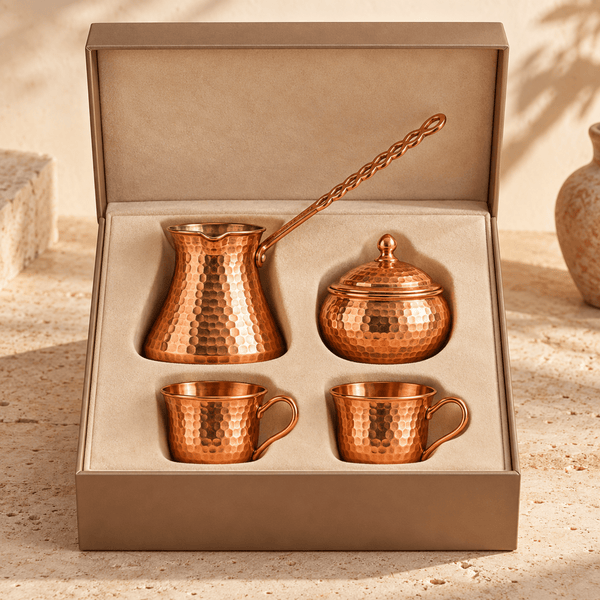
- Hammering Marks: On true hand-hammered copper teapots, there are light and regular hammering marks on the surface. These marks are proof that the copper was shaped by the hammer blows of our masters and they increase the sturdiness of the product. For instance, you can clearly see these hammering marks on our models such as the Heavily Engraved Angular Silver Handcrafted Pure Copper Teapot 3.2 L.
- Joining Points: The connection points of parts such as the handle, lid, and spout to the body of the teapot should be smooth and sturdy. Any gaps, weak soldering, or rough finishing are signs of poor workmanship.
- Symmetry and Balance: While one should not expect perfect symmetry in handmade products, the overall form is expected to be balanced and aesthetic. The teapot should not wobble when placed on a flat surface, and its handles and spout should be positioned in a balanced way.
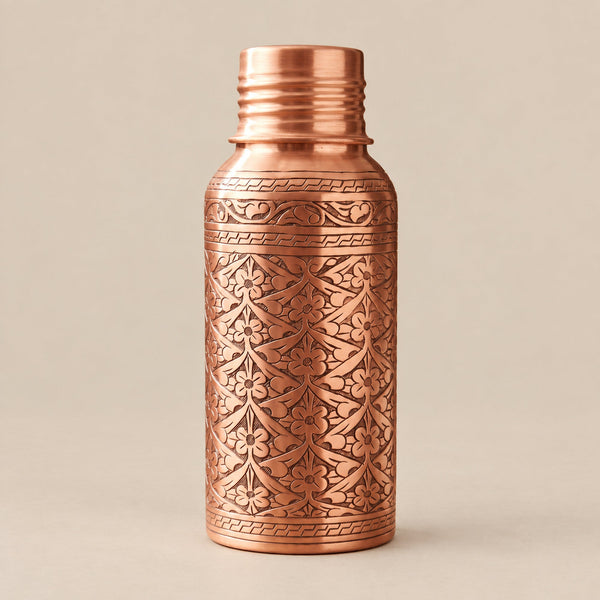
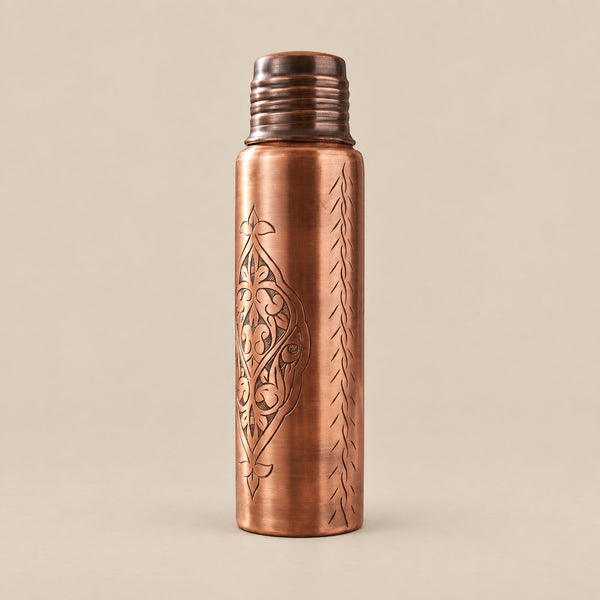
- Engraving Details: If there are patterns or carvings on the teapot, these engravings must be sharp, regular, and deep. Superficial or sloppy engravings usually indicate low-quality workmanship. As Usta Bakırcı, we meticulously engrave original motifs reflecting the deep-rooted copper-working tradition of Gaziantep onto our products.
How to Choose the Size and Ergonomics of a Copper Teapot?
When choosing a copper teapot, size and ergonomics are critically important in terms of suitability for your daily usage habits and kitchen organization.
The ideal teapot size varies depending on the amount of tea consumed in your home and how often you host guests. While a 1-2 liter teapot and bottom reservoir may suffice for a small family, larger 3-4 liter or bigger models may be more suitable for large families or those who host guests frequently. For example, models like the Oval Silver Engraved Hand-Embossed Pure Copper Teapot 3.2 L offer an ideal balance for medium to large families.
Ergonomics is about the ease of use of the teapot:
- Handles: The handles of the teapot should be made of heat-resistant material (usually wood or brass) and designed to fit comfortably in the hand. They should prevent your hand from burning while carrying a hot teapot and should distribute the weight in a balanced way. Ensure that the handles are securely mounted to the body.
- Spout Structure: The spout of the teapot should ensure a smooth flow without dripping or splashing tea around. A well-designed spout enhances your tea enjoyment.
- Lid: The lid should fit perfectly onto the teapot and retain heat inside during brewing. A mechanism that is easy to open and close but does not fall off on its own offers practical use.
Considering how much space you have in your kitchen cabinets or on your stove, you should choose the model that is most suitable for you both aesthetically and functionally. In our workshop, which has a wide range of teapots, you can find handmade copper teapots suitable for every taste and need.
How to Perform Maintenance and Cleaning of a Copper Teapot?
To maintain the first-day shine and lifespan of your copper teapot, it is very important to apply the correct maintenance and cleaning methods.
With proper care, copper is a material that can be used for generations. Here are Usta Bakırcı's recommendations:
- Hand Washing: Never wash your copper teapots in the dishwasher. The high heat and harsh detergents of a dishwasher can cause the copper to lose its natural shine and damage the tin lining. Wash by hand with warm water, a soft sponge, and a small amount of liquid dish soap.
- Avoid Using Chemicals: Do not use bleach, harsh abrasives, or metal scrubbers. Such substances can cause permanent damage to the product by scratching the copper surface or wearing down the tin lining.
- Drying: After washing, dry your teapot thoroughly immediately with a soft, dry cloth. This step is very important to prevent the formation of water spots or tarnishing.
- Polishing (Optional): Over time, a natural tarnish (patina) may form on the outer surface of the copper. This is a characteristic feature of copper and is considered aesthetic by some. If you want your teapot to stay shiny, you can use commercially available copper polishes or natural mixtures you can prepare at home (such as a mixture of lemon juice and salt). A mixture of vinegar and flour can also be effective for fingerprints or light tarnishing. After polishing, be sure to rinse with clean water and dry.
- Storage: Store your copper teapot in a dry place away from humid environments. If it will not be used for a long time, wrapping it in a cloth after thoroughly drying the inside and outside will delay tarnishing.
With these simple steps, you can preserve the beauty and functionality of your copper teapot, one of the most special pieces among your kitchen accessories, for many years.
We hope this guide has helped you in choosing the handmade copper teapot that will add value to your kitchen and crown your tea enjoyment. As Usta Bakırcı, blending Gaziantep's deep-rooted copper-working tradition with modern designs, you can visit our store to discover our teapot models, each carefully produced with hand craftsmanship. Bring the warmth of traditional artisanry and pure copper into your home!
Master's Note
In our workshop, each copper teapot carries a special story that comes from the hands of our masters. When making a choice, we recommend that you pay attention not only to aesthetics but also to the thickness of the copper and the homogeneity of the tin lining; these details ensure that your teapot distributes heat evenly and is long-lasting.
Products Mentioned in the Article


Frequently Asked Questions
Why should copper teapots be tin-lined?
The interior surface of copper teapots is tin-lined to prevent harmful reactions by blocking direct contact between the copper and acidic beverages (such as tea). Tin creates a safe, food-grade barrier.
How is a genuine hand-hammered copper teapot distinguished?
Genuine hand-hammered copper teapots have light and regular hammer marks on their surfaces. These marks show that the product was shaped by hand and that the material is sturdier.
Can I wash my copper teapot in the dishwasher?
No, copper teapots should never be washed in the dishwasher. High heat and harsh detergents cause the copper to lose its shine and damage the interior tin lining.
How can I prevent my copper teapot from tarnishing?
To delay the tarnishing of your copper teapot, it is important to hand wash it with warm water and mild detergent after each use and dry it thoroughly with a dry cloth immediately. Leaving it damp accelerates tarnishing.
Can other drinks besides tea be prepared in a copper teapot?
Yes, while copper teapots are traditionally used for tea, thanks to their interior tin lining, they are also suitable for boiling water or preparing certain herbal teas. However, one should avoid keeping acidic drinks in them for long periods.
Discover: Teapots
Best Sellers


