


How Long Should Water Be Left in a Copper Cup?

In short: Drinking water at room temperature should be left in a copper cup for no more than 6 to 8 hours. For daily use, filling the cup overnight and drinking the water in the morning is a traditional and ideal measure.
- Drinking water should be left in copper cups or containers for no more than 6 to 8 hours.
- Acidic liquids such as lemon water, vinegar, and fruit juice should never be left in copper containers.
- To extend the life of copper cups, avoid dishwashers and bleach.
Drinking water at room temperature should be left in a copper cup for no more than 6 to 8 hours. In traditional use, filling the cup overnight and drinking the water in the morning is the most commonly preferred practical method. Not exceeding this time is important for preserving the metal's flavor and balance.
How long should water be left in a copper cup?
The ideal time to leave water in a copper cup is between 6 and 8 hours. As we know from our craftsmanship in our Gaziantep workshop, the 8-hour limit should not be exceeded to preserve the freshness and softness of the water inside the copper container. A cup of water filled before going to bed will have completed the ideal waiting time when you wake up in the morning.
When you want to drink fresh water during the day, leaving the water in the cup for 1-2 hours will also be sufficient. Since a metallic intensity may develop in the taste of water left for excessively long periods (exceeding 24 hours), it is recommended to refresh the water. For fresh drinking water, the products in our Copper Cups collection offer ideal use.
What should be considered when leaving water in copper containers?
The first thing to consider when leaving water in copper containers is the quality of the water used and the ambient temperature. Only clean and non-acidic drinking water should be left to rest in copper containers. Due to copper's rapid heat conduction property, it is recommended to keep the container in a cool place away from direct sunlight.
The practical steps to follow during the water-leaving process are as follows:
- Make sure the cup or pitcher is clean and dry.
- Add only room-temperature pure drinking water.
- Cover the top of the container with a suitable lid to prevent dust from entering.
- Drink your water when the 6-8 hour period is complete and rinse the cup.
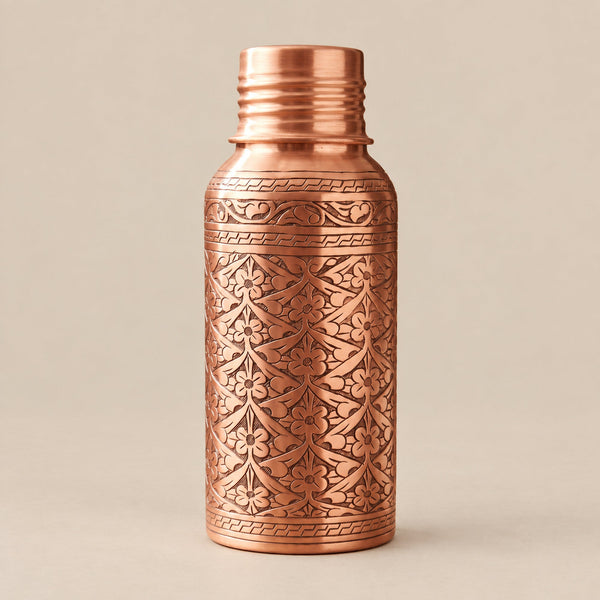
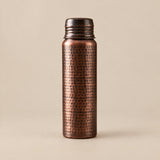
For continuous use, pitcher and cup combinations are quite practical. For example, to keep water in the kitchen or on your table throughout the day, you can choose the Black Handcrafted Tinned Copper 1.5 L Pitcher with Lid and give your water a place in your cup.

What is the difference between a tinned and untinned copper cup?
The main difference between tinned and untinned copper cups is whether the inner surface is coated with melted tin using traditional methods. Tin coating creates a protective layer by limiting copper's direct contact with food and provides versatile use in the kitchen.
In the table below, you can examine the distinct features of tinned and untinned copper containers:
| Feature | Tinned Copper Cup | Untinned (Raw) Copper Cup |
|---|---|---|
| Inner Surface Appearance | Silver-colored, shiny tin layer | Red copper color |
| Purpose of Use | Water, ayran, and all kinds of cold drinks | Generally only for resting drinking water |
| Maintenance Requirement | Needs to be re-tinned when the tin peels off | Needs external and internal cleaning as it darkens |
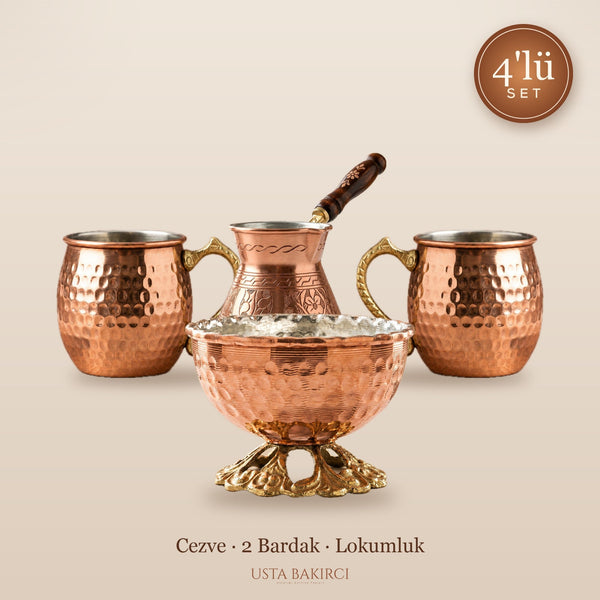
Products with tinned interiors stand out in traditional cold serving and daily water consumption. For example, the Shiny Hammered Model Tinned Pure Copper Cup 300 ml offers safe use with its traditional tin coating.
Which drinks should not be left in a copper cup?
Liquids with high acid or salt content should never be left in a copper cup. Lemon water, vinegar, orange juice, tomato juice, or carbonated drinks interact quickly with copper metal. Such acidic foods can damage the surface structure of copper and negatively affect the taste of the drink.
If you are going to serve cold ayran or soda in your copper cup, it is best to fill it at the time of serving and drink it without leaving the drink in the cup for hours. If you are looking for an aesthetic presentation, large-capacity models such as the Red Hammered Copper Cup Handcrafted Without Handle 450 ml are frequently preferred for serving.
How should a copper cup be cleaned and maintained?
Copper cup cleaning should be done by hand, using a soft sponge and a mild dish soap. Copper products should never be washed in a dishwasher. The high heat, moisture, and harsh salts in the dishwasher darken the outer surface of copper and wear down the tin coating inside.
To extend the life of copper containers, you can follow these steps:
- Do not use bleach, muriatic acid, or steel wool sponges for cleaning.
- Immediately dry the cup with a soft cloth after washing to prevent water spots.
- Restore the shine of the first day by gently rubbing natural darkening on the outer surface with a vinegar-salt mixture or lemon-salt.
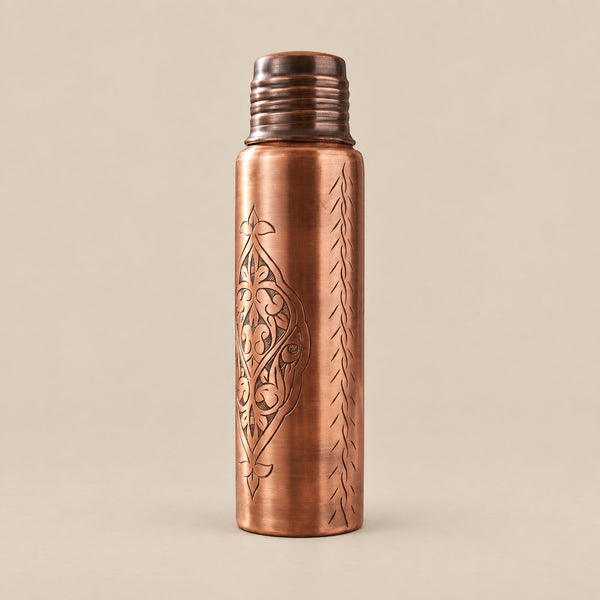
If you want to complete the traditional touches in your kitchen concept, you can examine our Copper Kitchen category, which contains a wide range of products, or our Flasks category, which allows you to carry water with you all day, and discover the handcrafted products of our workshop.
The Craftsman's Note
In our workshop in Gaziantep, we know the language of the copper containers we shape by hammering. Not keeping water in a copper cup for more than 8 hours and drying the cup after every use preserves the natural balance of the metal.
Products Mentioned in the Article


Frequently Asked Questions
Can water left overnight in a copper cup be drunk?
Yes, you can safely drink the water you put in a copper cup overnight when the 6 to 8-hour period is complete in the morning.
Can lemon water be left in a copper cup?
No, foods containing acid such as lemon can react with copper, so it should never be left in a copper cup.
Can a copper cup be washed in a dishwasher?
Copper cups should not be washed in a dishwasher; high heat and chemical detergents damage the structure of copper and its tin coating.
Is it normal for the inside of a copper cup to darken?
It is natural for the tin coating to slightly change color or oxidize over time due to use, but when the copper layer is completely exposed, it needs to be re-tinned.
Discover: Copper Cups
Best Sellers


