


Which Is Healthier: Copper Glasses or Glass Glasses?

In short: While a glass offers a practical and hygienic option that does not affect the taste of the drink due to its chemically neutral structure, a copper cup lined with pure tin provides a traditional use that preserves coldness for a long time in our table culture. Both materials are healthy options when used under the right conditions. However, copper cups should not be left with acidic drinks for long periods and must be washed by hand.
- Glass cups offer a chemical-free use for all hot and cold drinks with their non-porous and neutral structure.
- Tin-lined copper cups preserve the temperature of traditional drinks such as cold ayran, water, and sherbet, providing an enjoyable drinking experience.
- Acidic drinks such as lemonade and vinegar should not be left in copper containers for long periods, and copper products should definitely not be washed in the dishwasher.
While the glass cup offers a hygienic drinking experience without changing the taste and texture of liquids with its non-porous and neutral structure, the copper cup lined with traditional methods is preferred for its ability to keep cold drinks cool for a long time thanks to its high heat conductivity and its place in our table culture. Therefore, the answer to the question Is a Copper Cup or a Glass Cup Healthier? depends on the type of drink, the coating status of the container, and proper care habits. In daily and practical use, glass cups provide the advantage of zero reaction, while properly maintained tinned copper products are a natural and rooted presentation alternative.
Is a copper cup healthier than a glass cup?
Since glass cups are completely chemically neutral, they do not interact with the liquid placed inside in any way; tin-lined copper cups provide a traditional ease of use by preserving the coldness of drinks for a long time. When we evaluate them in terms of kitchen hygiene, both materials have different outstanding aspects. Since glass is made from silica sand, it shows complete resistance to all acidic or alkaline liquids.
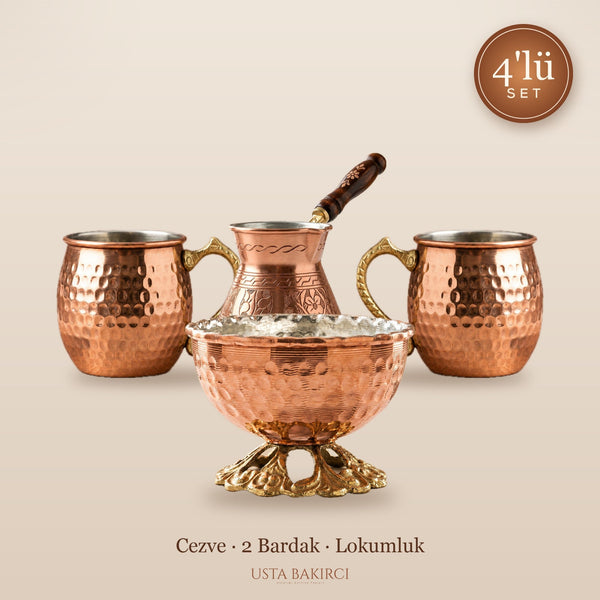
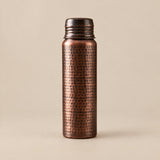
All the containers in the Copper Cups category, which we produce in our Gaziantep workshops, are prepared by coating the inside with lead-free pure tin to make them suitable for contact with food. This tin layer, which is part of traditional craftsmanship, cuts off the direct contact of copper with the drink, creating a safe drinking environment. Models such as the Glass Bright Hammered Model Tin-Lined Pure Copper 300 ml, prepared with special hammering craftsmanship, preserve the coolness of the drink much longer than glass cups, especially when serving cold water and ayran.
What are the differences between a copper cup and a glass cup?
The main differences between a copper cup and a glass cup emerge in the material's heat conductivity, resistance to impacts, cleaning methods, and their reactions to acidic liquids. We have brought the features that will make it easier for you to decide which cup to choose when preparing the table side by side in the table below:
| Feature | Glass Cup | Copper Cup (Tin-Lined) |
|---|---|---|
| Heat Conductivity | Low (Transmits heat slowly) | Very High (Immediately reflects coldness to the outside) |
| Resistance to Impacts | Fragile (Can break) | High (Does not break with a fall, can bend) |
| Suitability for Acidic Drinks | Completely Suitable | Should not be left for long periods |
| Cleaning Method | Can be washed in the dishwasher | Should only be washed by hand with a soft sponge |
| Traditional and Aesthetic Value | Modern and standard | Handcrafted, authentic, and decorative |

Which drinks should not be drunk in a copper cup?
It is not correct to consume highly acidic drinks such as lemonade, orange juice, turnip juice, vinegar, winter tea (with lemon), or tomato juice by leaving them in copper containers for long periods. Acidic structures can weaken the tin layer over time, regardless of how strong the coating is, and may enter into a chemical interaction with the copper metal.
In our Black Embroidered Copper Cup 300 ml Traditional Handmade products, which are ideal for cold drinking pleasure, water, ayran, cacık, iced compote, and traditional sherbets can be consumed safely. However, if you are going to serve an acidic liquid in these cups, it is recommended to consume the drink quickly without leaving it in the cup for hours and to rinse the cup immediately. While setting up elegant tables, you can diversify your presentations with the pieces in our Table and Presentation collection.
Is using a tin-lined copper cup safe?
The use of copper cups lined with lead-free pure tin is completely safe in terms of food safety standards. The tinning process, which has been applied in the copper craft for centuries, serves as a protective layer that prevents the copper from oxidizing with moisture in the air and liquids.
As in our Red Hammered Copper Cup Handmade Handleless 450 ml model, which is shaped with traditional hand hammering, the use of copper cups is extremely hygienic as long as the silver-colored tin layer on the inner surface remains intact. If, due to frequent washing or the use of hard sponges over time, the tin inside wears out and the pink-colored copper surface begins to appear from underneath, it means the product is time to be re-tinned. Copper containers that have had their tin renewed return to their safe state of the first day.
How are copper cups cared for and cleaned?
In order for copper cups to preserve their first-day quality and tin coating for many years, it is essential to apply the correct cleaning methods. Copper kitchenware have structures that are sensitive to high heat, salt, and harsh chemicals.
- Do Not Put in the Dishwasher: Definitely do not wash copper cups in the dishwasher. The salt and high heat contained in machine detergents both darken the exterior craftsmanship and rapidly wear down the tin inside.
- Use a Soft Sponge: Wash your cup by hand with lukewarm water and a small amount of dish soap using a non-wire soft sponge.
- Dry Immediately: As soon as the washing process is finished, do not leave the cup wet and dry it with a soft drying cloth. Water droplets drying can cause stains to form on the copper surface.
- Polish the Exterior with Natural Methods: To remove the natural darkening that forms on the exterior over time, you can take a small amount of salt and lemon juice on a sponge, lightly rub the exterior, and then rinse and dry with plenty of water.
Durable designs produced in our workshop, such as the Black Copper Hammered Cup 500 ml Handmade Cold Drink Cup, turn into heirlooms that can be passed down from generation to generation when these simple steps are followed. For more details about the care of your kitchenware, you can review our Copper Kitchen page.
Should a copper cup or a glass cup be chosen for healthy drinking?
For a healthy and enjoyable drinking experience, the place of use for both materials is different. In daily tea, coffee, or acidic beverage consumption, the neutral and practical structure of glass cups stands out; for cold water, refreshing ayran, and traditional treats, tin-lined copper cups offer a unique taste and temperature preservation.
If you want to add an authentic touch to your table aesthetics and enjoy the taste of ice-cold drinks with traditional methods, you can make your choice from our Usta Bakırcı handmade products. To complete your cold drink servings, you can also take a look at the handmade copper pitcher models in our Pitchers category that match your cups.
The Craftsman's Note
We coat the inner surface of each cup we hammer by hand in our workshop with pure tin using traditional methods. Depending on the frequency of use, if the inner tin layer wears out over time and the pink copper texture underneath becomes visible, we recommend re-tinning your cup before exposing it to acidic liquids.
Products Mentioned in the Article


Frequently Asked Questions
Can a copper cup be washed in the dishwasher?
No, copper cups should definitely not be washed in the dishwasher. The chemicals in the detergents and the high water temperature damage the tin coating inside and cause the exterior surface to darken.
What should be done when the inside of a copper cup darkens?
If the silver-colored tin coating inside the copper cup peels off and the pink copper surface underneath becomes clearly visible, the cup needs to be re-tinned by a craftsman.
Does a copper cup keep water cold?
Yes, because the heat conductivity of copper is extremely high, it preserves the temperature of the cold liquid placed inside and reflects it to the exterior surface of the cup, offering a cool drinking experience.
Can hot tea or coffee be put in a copper cup?
Since copper transmits heat very quickly, when a hot drink is placed inside, the exterior and the lip of the cup heat up instantly, making it difficult to hold and drink. Therefore, copper cups are generally preferred for cold drinks.
Discover: Copper Cups
Best Sellers


