


Is It Safe to Use Copper Cups?

In short: Using a copper cup is completely safe as long as its inner surface is lined with food-safe pure tin and it is not left with highly acidic beverages such as lemon juice or vinegar for extended periods. The tin lining on the inner surface creates a protective barrier between the food and the copper atoms. If the tin lining wears away, having the cup re-tinned ensures its continued safe use.
- Copper cups lined with food-safe pure tin on the inner surface can be safely used for serving daily water and cold beverages.
- Highly acidic beverages such as lemonade, turnip juice, or vinegar should not be left in copper containers for extended periods, and the containers should not be washed in the dishwasher.
- When the inner tin lining wears down due to friction or over time, the cup should be re-tinned by authorized craftsmen.
Using a copper cup is completely safe as long as its inner surface is lined with food-safe pure tin and it is not left with highly acidic liquids for extended periods. The containers we produce with traditional craftsmanship in our workshop in Gaziantep have been safely used in kitchens for centuries due to their ability to retain the coldness of the beverage and their aesthetic presentation. Maintaining the integrity of the tin lining during use and following the correct care instructions ensures that copper containers can be passed down safely from generation to generation.
Is using a copper cup safe, and why is tinning necessary?
Using a copper cup is extremely safe for daily drinking water and cold beverage consumption as long as there is a protective layer of tin on the inner surface of the container. Pure copper naturally tends to oxidize when exposed to air and moisture. To prevent beverages from coming into direct and excessive contact with copper atoms, the insides of containers are lined with pure tin at high temperatures in traditional coppersmithing. Tin acts as a neutral barrier between the copper and the food, preserving the flavor and naturalness of your beverage.
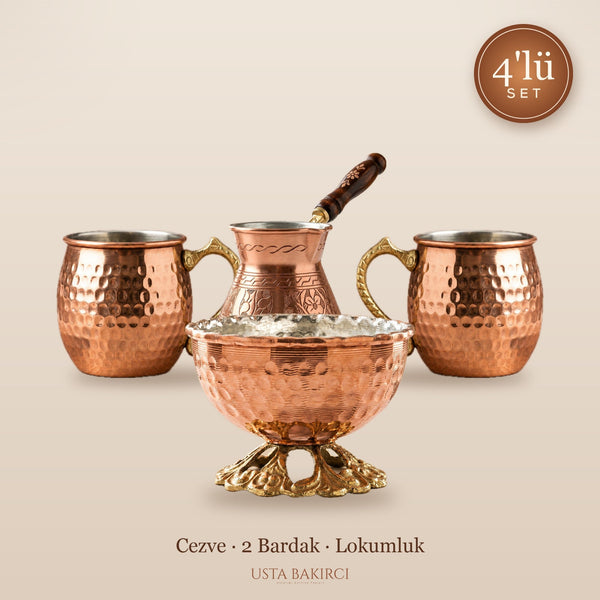
Copper Cups, shaped with hammer blows in our workshop, are tinned using the traditional method by heating them over a stove and applying tin with cotton. The quality of the tin used during this process is the main factor determining the lifespan of the cup. For example, in models such as the Shiny Hammered Model Tinned Pure Copper Cup 300 ml, which is frequently preferred for daily water consumption, the tin layer completely covers the inner surface. If the tin peels off over time due to friction or improper washing and the underlying red copper surface becomes clearly visible, it is time to have the cup re-tinned. Copper products that have had their tin renewed easily return to the safe usage standards of the first day.
Which beverages should not be put in a copper cup?
It is not recommended to put highly acidic beverages such as lemonade, vinegar, turnip juice, tomato juice, or freshly squeezed citrus juices in a copper cup and leave them for hours. Liquids with a highly acidic pH level can react with the copper surface even if there is a tin lining, accelerating the wear of the container and creating a metallic change in the taste of the beverage. This is a usage rule applicable not only to traditional copper containers but also to all unlined metal kitchenware.
In contrast, neutral or low-acid beverages such as water, ayran, cold tea, sherbet, and plain mineral water can be safely served in copper containers. Products such as the Embossed Handleless Cold Beverage Copper Cup 450 ml, which is ideal for refreshing treats due to its large volume, are known for preserving the foam and coldness of ayran for a long time. After consuming acidic foods, the cup should be emptied immediately and not left overnight with liquid inside. Acquiring the correct usage habits according to the type of beverage is the most practical way to protect both your health and the lifespan of the product's tin.

What is the difference between a tinned and untinned copper cup?
While tinned copper cups are suitable for beverage consumption and daily treats, untinned copper cups are mostly preferred for decorative purposes or short-term traditional presentations. The tin layer creates a safe barrier by limiting the direct contact of the metal with the liquid.
The following comparison table summarizes the usage areas and points to consider for tinned and untinned copper products:
| Feature | Tinned Copper Cup | Untinned Copper Cup |
|---|---|---|
| Inner Surface Structure | Lined with food-safe pure tin. | The natural red surface of pure copper is exposed. |
| Usage Purpose | Daily water, ayran, sherbet, and cold beverage service. | Decorative presentations and traditional ornaments. |
| Acid Resistance | Shows short-term resistance to mildly acidic beverages. | Should not come into contact with acidic liquids. |
| Maintenance Requirement | Periodic tin renewal depending on use. | Regular oxidation cleaning on the outer and inner surfaces. |
Can a copper cup be washed in the dishwasher?
No, copper cups should definitely not be washed in the dishwasher. The harsh chemicals, high salt content, and pressurized hot water in dishwasher detergents remove the protective polish on the outside of the copper, causing the cup to darken and the tin inside to wear down and peel off in a short time.
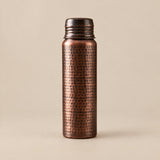
Hand washing is the most basic maintenance rule that extends the life of these products made with craftsmanship. A copper cup put in the dishwasher will develop dullness and stains on its surface. Especially for special design handmade products such as the Black Copper Hammered Cup 500 ml Handmade Cold Beverage Cup, only lukewarm water and a soft sponge should be used to preserve the exterior aesthetics. During washing, abrasive substances such as bleach, muriatic acid, or steel wool should never be used.
How to care for and clean a copper cup at home?
Cleaning copper cups is extremely easy, and when the correct steps are followed, the products retain their shine and hygiene for many years. The daily cleaning and periodic maintenance steps recommended by the masters in our Gaziantep workshop are as follows:
- Rinse Without Leaving the Beverage: Immediately after using the cup, rinse it with lukewarm water so that no beverage residue remains inside.
- Wash with a Soft Sponge: Add a few drops of neutral liquid dish soap to the soft yellow side of the dish sponge and wipe the inner and outer surfaces of the cup in circular motions without damaging them.
- Dry Without Delay: As soon as the washing process is finished, dry the cup with a soft and cotton towel. Water stains and limescale marks can form on copper containers left wet.
- Clean Natural Tarnishing: To remove the natural dullness that forms on the outer surface over time due to moisture in the air, pour a little table salt over half a lemon, gently rub the outer surface, and then wash and dry.
- Check the Tin: Periodically check whether the gray tin lining on the inside of the cup is peeling off in places and whether the underlying red copper is visible. When the redness becomes noticeable, have it re-tinned by an authorized coppersmith.
What should be considered when buying a copper cup?
When purchasing a copper cup, the thickness of the product, the homogeneity of the tin lining inside, and the quality of the craftsmanship should be considered. Since products with a copper appearance but thin coatings can be found on the market, the weight of the product and the use of pure copper as the material are the first conditions for safe use.
Especially in models such as the Red Copper Cup Hand-Embroidered Traditional Presentation Cup 300 ml, which is decorated with traditional motifs, a smoothly finished rim provides drinking comfort. For those seeking rich presentation, the tinned containers in our Table and Presentation collection offer both aesthetic and functional solutions. A properly produced and tinned copper cup adds an aesthetic value to your kitchen while also taking a place of honor at your traditional tables.
You can browse all our copper cups that come to life with the hammer marks of our masters in our Gaziantep workshop and add an authentic touch to your kitchen in our Copper Kitchen category.
The Master's Note
We heat the copper cups we hammer in our workshop at high temperatures and line them with pure tin using cotton. Our masters recommend that the washed cup should not be left wet and should be dried immediately with a cotton towel; this simple step preserves the outer shine of the copper while also extending the life of the tin inside.
Products Mentioned in the Text


Frequently Asked Questions
Is it safe to leave water in a copper cup and drink it?
It is completely safe to leave water in copper cups lined with pure tin on the inner surface and drink it. The tin layer prevents the metal from coming into direct contact with the water, providing hygienic drinking.
What happens if the tin inside the copper cup wears down?
When the tin wears down and the underlying red copper surface becomes clearly visible, you should stop using the cup and have it re-tinned.
Are copper cups used for hot beverages?
Because copper conducts heat very quickly, the outside of the cup can become hot enough to burn the hand when used with hot beverages. For this reason, copper cups are generally preferred for serving cold or lukewarm beverages.
How to remove the darkening on the outer surface of a copper cup?
To clean the natural darkening on the outer surface, pour table salt over half a lemon, gently rub the outer surface, and then wash and dry without delay.
Discover: Copper Cups
Best Sellers


