



What Is Tinning in Copper Products?

In short: Tinning in copper products is a thin protective layer applied to the inner surface of the copper. This coating prevents the copper from coming into direct contact with acidic food and beverages, thereby both extending the product's lifespan and ensuring safe use. Traditionally done by hand, tinning is an indispensable part of copper kitchenware.
- Tin is a protective coating that makes copper kitchenware safe and healthy.
- Proper tinning prevents copper from reacting with acidic foods and extends the product's life.
- Maintenance of tinned copper products should be performed with care and using traditional methods.
Tinning in copper products is a thin protective layer applied to the inner surface of the copper. This coating prevents the copper from coming into direct contact with acidic food and beverages, thereby both extending the product's lifespan and ensuring safe use. Traditionally done by hand, tinning is an indispensable part of copper kitchenware.
Why is Tinning Important in Copper Products?
Tinning in copper products is of vital importance, especially for items used in the kitchen. When pure copper comes into contact with acidic food and beverages (such as lemon, vinegar, or tomatoes), it can react and cause copper ions to leach into the food. In cases of long-term and intensive use, this can lead to undesirable health consequences. This is precisely where tinning comes in; it wraps around the copper surface like a shield, creating a safe barrier between the food and the copper.
In products such as the handmade copper pots and pans we produce in our workshop in Gaziantep, tinning is not just an aesthetic touch, but also the foundation of functionality and health. Tin is a non-toxic metal that is resistant to high heat and easy to work with. It allows food to be cooked safely while preserving copper’s excellent heat conductivity. For this reason, tinning has been an indispensable practice for our masters in the centuries-old tradition of coppersmithing.
Cooking in a tinned copper pot allows you to benefit from copper’s ability to distribute heat evenly while preventing your food from coming into direct contact with the copper, thus preserving its flavor and natural quality. This is a significant advantage, especially for dishes that cook for a long time or contain acidic sauces, such as rice or stews. Tinning meets the expectations of modern kitchens without compromising the natural beauty and traditional texture of copper.
How is the Tinning Process Done? Traditional Methods
The traditional tinning process is a special craft that requires skill and experience. At our workshop, we use methods passed down from generation to generation when tinning our copper products. This process guarantees a long-lasting and healthy use of the copper. Here is the step-by-step traditional tinning process:
- Preparation and Cleaning: First, the copper product to be tinned is cleared of all dirt, oil, and oxide layers. This is vital for the copper surface to best retain the tin. The product is polished to a shine using methods such as special acidic water and sanding.
- Heating: The cleaned copper product is slowly heated over a high flame. Tin can only adhere properly to the copper surface when it reaches a specific temperature. At this stage, it is crucial that the copper heats evenly.
- Tin Application: Once the copper has reached sufficient temperature, pure tin pieces are applied to the inner surface of the product. The master uses a special cotton cloth or felt to spread the melting tin in an even, thin layer over the entire surface of the copper. This is the most critical stage, where the master's experience comes into play. Excess tin is removed, and any missing areas are filled in. It requires great skill to maintain the copper's temperature and prevent the tin from burning during this process.
- Cooling and Polishing: After the tinning process is complete, the product is left to cool slowly. Sudden cooling can cause the tin layer to crack. Once cooled, the product is finally cleaned and polished. This results in a surface that is both protective and aesthetically flawless.
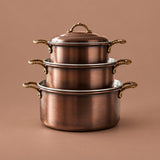
In our workshop, this process is done with manual labor and dedication. For example, when working on a tinned copper pot set, we ensure that the inner surface of every single pot is perfectly tinned. This meticulousness is a testament to the quality of our products.

How Should Tinned Copper Products be Used and Cleaned?
Knowing the correct usage and maintenance methods is important to extend the life of your tinned copper products and keep them as shiny as they were on the first day. Here are Usta Bakırcı's recommendations:
Usage Tips:
- Heat Control: Since copper is an excellent heat conductor, using it on low or medium heat while cooking is sufficient. Leaving it empty over high heat for a long time can damage the tin layer.
- Acidic Foods: Thanks to the tin coating, you can safely cook acidic foods. However, for the longevity of the tin, it is better to avoid leaving acidic foods in tinned copper containers for very long periods (e.g., for days).
- Metal Utensils: The tin layer is a relatively soft metal. Therefore, we recommend using soft kitchen utensils like wooden or silicone spatulas to prevent scratching.
Cleaning and Maintenance:
The cleaning of tinned copper products is critical for the product's lifespan and appearance. Never use a dishwasher or chemical cleaners like bleach.
- Hand Washing: After each use, wash the product by hand with warm water and a soft dish sponge. Hard brushes or abrasive cleaners can damage the tin.
- Natural Cleaners: You can use traditional methods to clean tarnish on the outer surface of the copper. A mixture of lemon juice and salt or a paste of vinegar and flour are effective and natural solutions to restore the copper's natural shine. However, apply these mixtures only to the outer surface and do not touch the tinned interior.
- Drying: After washing, dry your product immediately with a clean, soft cloth. This prevents water spots from forming and the copper from oxidizing.
- Storage: Store the products in a dry place away from humidity. Placing a soft cloth between items when stacking them will prevent scratches.
A tinned yogurt bucket or tinned teapot that you maintain with care will continue to be the favorite of your kitchen and dining table for years. These special products of traditional craftsmanship can be used for generations with proper care.
When Should Tinning be Renewed?
The tin layer of your tinned copper products may wear out or thin over time depending on use. Renewing the tin is an important step that directly affects the safety and longevity of the product. So, how do you know when it is time to renew the tin?
There are some signs you should look for to know when it is time to renew the tin layer:
- Appearance of Copper Color: If the copper color becomes clearly visible on the tinned surface, it indicates that the tin layer has thinned or worn away. Such color changes are more frequently seen on the base and edges.
- Tarnishing and Spots: The formation of permanent tarnish, greenish discoloration, or spots on the tinned surface is a sign that the tin is starting to lose its protective properties. This indicates that the copper is beginning to come into contact with food.
- Dullness and Scratches: The loss of the tin layer's shine, dulling, or the formation of deep scratches should also lead you to consider renewal. Deep scratches can cause the copper to become exposed.
In general, the tin on a frequently used copper kitchen item may need to be renewed every 1 to 5 years, depending on the frequency and manner of use. For decorative items that are used rarely, this period may be longer. However, if you have any doubts, it is best to show your product to an expert. As Usta Bakırcı, we can support you with your product's tin renewal needs. The tin renewal process is a process that requires as much meticulousness and skill as the first tinning and must be done by expert hands.
What are the Differences Between Tinned and Untinned Copper?
Copper products can be found both tinned and untinned, and these two states fundamentally change the product's areas of use and characteristics. Here are the main differences between tinned and untinned copper:
| Feature | Tinned Copper Products | Untinned Copper Products |
|---|---|---|
| Purpose of Use | Suitable for cooking, serving, and storing food in the kitchen. (e.g., pots, coffee pots, shallow pans, plates) | Generally used for carrying or storing water (for drinking water), decoration, or for certain special serving purposes. (e.g., canteens, pitchers, copper cups, bracelets) |
| Food Contact | Can be used safely with acidic foods and foods that require long-term contact. Tin prevents copper from leaching into the food. | Direct and long-term contact with acidic food and beverages should be avoided. Should only be used for neutral liquids like water or for short-term contact. |
| Color and Appearance | The inner surface is silvery-white (tin color), and the outer surface is copper-colored. | Entirely in the distinct reddish-brown tones characteristic of copper. |
| Maintenance | Gentle cleaning to protect the tin layer and periodic tin renewal may be required. | Although it requires less special maintenance, it needs external cleaning to preserve its shine. |
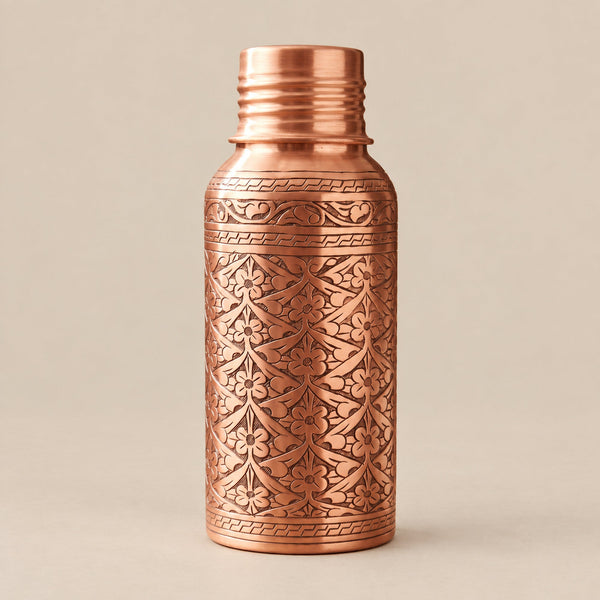
| Example Product | Round Silver-Tinned Canteen, 4-Piece Black Pot Set | Daisy Patterned Canteen, Red Engraved Pitcher with Lid |
In summary, it is essential for both your health and the long-term use of the product that the inner surface of copper items used as kitchenware be tinned. Untinned copper products are preferred more for decorative purposes or for storing only neutral liquids such as water.
In our workshop in Gaziantep, we prepare every copper product with great care and using traditional methods. Whether you are looking for tinned pots and pans for your kitchen, or copper pitchers or teapots that will add elegance to your table; you can discover our handmade, pure copper products that you can use for many years with the quality of Usta Bakırcı. You can visit our best-sellers or new arrivals categories to browse our products.
Master's Note
In our workshop, we always carry out the tinning process using traditional methods and pure tin. Our masters meticulously apply the correct heat and application techniques to ensure that the tin adheres perfectly to the copper surface. In this way, we aim to extend both the aesthetic and functional lifespan of our products.
Products Mentioned in the Article


Frequently Asked Questions
Why is tin coating applied to copper?
Tin coating on copper cuts off direct contact between copper and acidic food and beverages, offering a safe use from a health perspective. It also extends the life of the copper and preserves the flavor of the food.
Can tinned copper products be washed in the dishwasher?
No, tinned copper products should never be washed in a dishwasher. The harsh detergents and high heat of a dishwasher will damage the tin coating, shorten the product's lifespan, and impair its appearance.
What is the lifespan of a tinned copper product?
When used correctly and maintained regularly, the lifespan of a tinned copper product is quite long. The tin layer may need to be renewed every 1 to 5 years, depending on the frequency of use.
What kind of dishes can be cooked in tinned copper pans and pots?
Thanks to copper's excellent heat conductivity, all kinds of dishes can be safely cooked in tinned copper pans and pots, from rice to stews, and from vegetable dishes to meat dishes. It is especially ideal for dishes with acidic sauces.
Why does the color of the tin coating change?
The tin coating can dull or yellow over time due to reasons such as exposure to high heat, improper cleaning, or long-term contact with acidic foods. This is usually a sign that the tin has worn down or that it is time for renewal.
Are Usta Bakırcı's tinned products safe?
Yes, all tinned products we produce in our workshop as Usta Bakırcı are coated with great meticulousness using traditional methods and pure tin. As a result, our products are completely safe for both healthy and long-term use.
Explore: Pots and Pans
Best Sellers


