



What Should You Consider When Buying Copper Products?

In brief: When purchasing copper products, you should first check whether the product is handmade from pure copper, whether its inner surface has food-safe tin lining, and the quality of the workmanship. Heavy items with a resonant sound and distinct hammer marks generally indicate higher-quality craftsmanship.
- Pure copper products should be heavy, have a resonant sound, and feature hand-hammered marks.
- For copper products that will come into contact with food, the inner surface must be tin-lined for health reasons.
- Handmade copper products possess greater durability and aesthetic value compared to mass-produced items.
- Proper cleaning and maintenance rules must be followed to ensure the longevity of copper products.
Copper products, which are an indispensable part of traditional Turkish cuisine and home decor, stand out with both their aesthetic appearance and utility. However, with many copper products of varying quality on the market, it is necessary to pay attention to some important points to make the right and durable choice. As the masters of our workshop in Gaziantep, we have prepared this guide for you to shop with an understanding of the subtleties of pure and handmade copper.
How to Identify Real Copper Products?
While identifying a real copper product may seem difficult at first glance, you can test its quality with a few simple methods. Remember, handmade pure copper products carry the labor and experience of our masters in our workshop.
- Weight and Resonance: The copper product you hold in your hand should not be light, but have a significant weight. Real copper is a very dense metal. Products that appear light and thin usually contain less copper or may have been mixed with other metals. A resonant, ringing sound when you tap the product with your finger is also an indicator of pure copper.
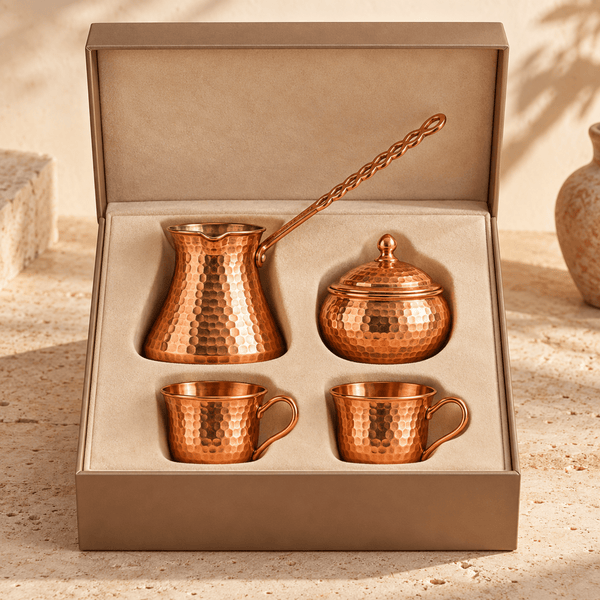
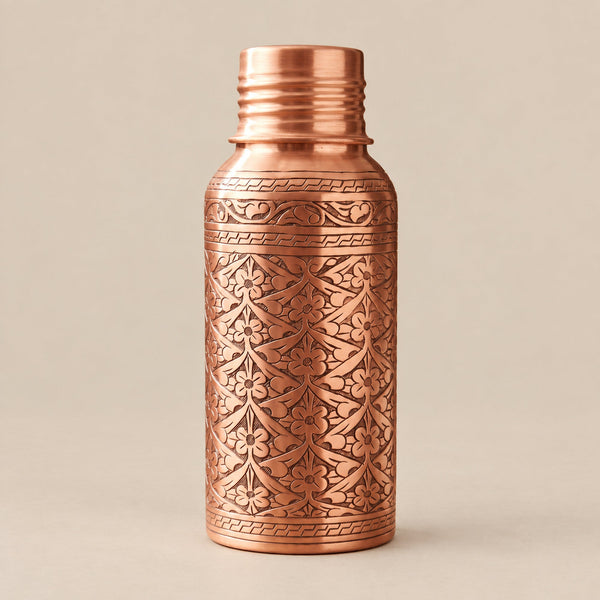
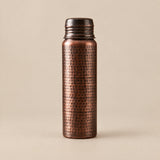
- Hand-Hammered Marks: On the surface of products such as flasks, coffee pots, and pots produced in our workshop, there are distinct marks created by our masters' hammer strikes. These marks are the clearest proof that the product was shaped by human hands, not by a machine. Such natural and irregular hammer marks are generally not found in mass-produced items or present a superficial appearance that has been artificially added. For example, you can see this craftsmanship closely in our products like the Daisy-Patterned Flask.
- Color and Luster: Pure copper has a unique, warm, and reddish color. The product's luster should be natural and should not give the feeling of an excessive, artificial polish. The natural patina (tarnishing) that forms on the surface of copper over time due to exposure to air is a sign that the product is real copper and that it breathes. This tarnishing can be easily cleaned with proper maintenance.
Why is Tin Lining Important in Copper Products?
For copper products that will come into contact with food (such as coffee pots, pots, pans, and pitchers), having their inner surfaces coated with tin is vital for both the life of the product and your health. This is a quality rule that we never compromise on in our workshop.
- Health and Safety: When copper remains in contact with acidic food and beverages (lemon, vinegar, tomatoes, etc.) for a long time, it can cause copper ions to leach into the food. This situation can lead to undesirable issues for some sensitive individuals. Tin lining creates a barrier between the copper and the food, preventing this interaction and ensuring the product can be used safely with food.
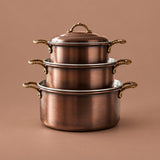
- Quality of Lining: A good tin lining should be bright, smooth, and evenly coat the entire inner surface of the product. Our masters in Gaziantep apply this coating using traditional methods and pure tin. Pay special attention to ensure the lining is not scratched or worn. If the tin on your existing copper product has worn off, it is important to have it re-tinned. For example, our cookware like the Rice Pot offers safe use with its inner tin lining.
- Service Life: Tin lining also delays direct wear and corrosion of the copper, thereby extending the service life of your product.

What Distinguishes Hand-Crafted Copper Products from Mass Production?
Handmade copper products differ from mass-produced ones not only in appearance but also in spirit and quality. Every pot, teapot, or flask that comes from the hands of our masters in Gaziantep carries a unique story and craftsmanship.
| Feature | Handmade Copper Products | Mass-Produced Copper Products |
|---|---|---|
| Workmanship | Each is unique, hammered and shaped by a master's hand, with distinct hammer marks. | Produced by machines, flawless and identical, usually with no or only superficial hammer marks. |
| Material Quality | Generally, pure and high-quality copper is used; they have a thick and durable structure. | Thinner copper sheets or copper alloys may be used; they are lighter and can deform easily. |
| Durability | With proper care, they can be used for generations; their value increases over time. | May have a shorter lifespan, easily scratched, or lose their shape. |
| Aesthetic Value | Has artistic value, creates a warm and authentic atmosphere in the home. | Has a more industrial and standard appearance, lacks character. |
A handmade pitcher or copper cup is not just an item, but also a work of art. The masters in our workshop carefully process each product and imbue it with a soul, which is directly reflected in the quality and lifespan of the product.
What You Need to Know About the Maintenance and Use of Copper Products?
Knowing the right maintenance methods is essential to preserve the beauty and durability of your copper products for many years. Improper applications can shorten the life of the product or cause damage.
- Cleaning: Never use a dishwasher to clean your copper products. The high temperature and harsh detergents of a dishwasher can cause the copper to tarnish and damage the tin lining. Instead, use warm water, a soft sponge, and a mild dish soap. Dry immediately after washing. To restore its natural shine, you can occasionally use a mixture of lemon and salt or special copper polishes.
- Acidic Food and Beverages: Even if they have a tin lining, be careful not to keep acidic foods and drinks (such as lemon, vinegar, tomatoes, yogurt) in copper containers for a long time. This will extend the life of the tin lining and prevent possible reactions. You can use them for serving, but do not prefer them for storage.
- Avoid Chemicals: Stay away from substances that can cause chemical and physical damage such as bleach, harsh abrasives, or wire brushes when cleaning your copper products. Such materials can scratch the surface of the copper or erode the tin lining.
- Storage: Store your copper products in a dry and airy place. Humid environments can cause the copper to oxidize and tarnish faster.
Sepetiniz şu anda boş.
You might also like these


Sepetimi e-postama gönder
Şimdi tamamlayamıyorsanız sepetinizi kendinize gönderin; dilediğiniz cihazdan kaldığınız yerden devam edin.
E-postanız sepetinizi göndermek için kullanılır. KVKK aydınlatma metni
- 990 TL üzeri ücretsiz kargo1–2 iş gününde kargoda
- 30 gün kolay iadeMemnun kalmazsanız iade edin
- Güvenli ödemeTüm kartlara 12 taksit imkânı
- Sorunuz mu var?WhatsApp'tan hemen yazın
