


Can Water with Lemon Be Stored in a Copper Pitcher?

In short: Lemon water should not be left in a copper pitcher for extended periods. The acid in lemons can react chemically with the copper surface and the inner tin coating over time, damaging the product. It is recommended to use copper pitchers only for chilling and storing plain drinking water.
- Foods high in acid, such as lemons, vinegar, and tomatoes, should not be stored in copper containers for extended periods.
- For hygienic use, the inner surface of drinking water and serving containers must be tinned.
- Copper pitchers and containers should never be washed in the dishwasher; they should be gently cleaned by hand.
Lemon water should not be stored in a copper pitcher for extended periods. Liquids with high acidity, such as lemon, vinegar, or fruit juices, interact with the copper metal and the traditional tin layer coating the inner surface of the container over time. All products in our Pitchers collection, handcrafted in our Gaziantep workshops, are designed to keep plain drinking water cool and provide a traditional serving experience.
Can Lemon Water Be Stored in a Copper Pitcher?
Storing lemon water in a copper pitcher is strongly discouraged. The citric acid in lemons tends to corrode copper and tin surfaces. While it may not cause significant damage if consumed within a short time, such as 15–20 minutes at the table, leaving lemon water in a copper container overnight or throughout the day is incorrect. When acidic liquids sit for extended periods, they can cause corrosion on the metal surface and create a metallic off-flavor in the beverage.
In our traditional culinary culture, copper containers have always been used according to specific rules. The longevity of Copper Kitchenware is directly related to the nature of the liquid placed inside. Therefore, storing clear, plain water in copper containers is always preferred over acidic beverages.
Why Does Lemon Water Damage Copper Pitchers?
Due to its acidic properties, lemon water damages both the inner tin coating and the outer surface texture of the copper pitcher. Acidic solutions accelerate the corrosion process when they come into contact with metal surfaces. The interiors of our models, such as the Black Handcrafted Tinned Copper Pitcher with Lid 1.5 L, crafted by master artisans, are coated with pure tin. This tin coating is a protective layer that prevents direct contact between food or water and the copper.
When lemon water is left in this container for hours, the following issues occur:
- Premature Wear of the Tin Layer: The acid thins the protective tin layer, causing the pitcher's inner surface to peel in patches.
- Copper Oxidation: Where the tin has worn away, water comes into direct contact with the copper, which can create greenish-brown oxidation deposits (verdigris).
- Spoiled Taste: Due to the metallic interaction, the natural flavor of the water is ruined, making it undrinkable.

Which Beverages Can Be Stored in a Copper Pitcher?
Only neutral, non-acidic liquids—primarily plain drinking water—should be stored in copper pitchers. Tap water or purified drinking water can be safely chilled in a copper pitcher with a lid. Dairy products such as ayran and milk, as well as fruit juices, should be used only for immediate serving rather than long-term storage. For daily use, you can fill your pitcher with water and add a Shiny Hammered-Pattern Tinned Pure Copper Glass 300 ml to create a traditional presentation.
The table below shows the storage conditions for different types of beverages in copper pitchers:
| Beverage Type | Storage Suitability | Maximum Recommended Duration |
|---|---|---|
| Plain Drinking Water | Suitable | 12–24 Hours |
| Lemon / Vinegar Water | Unsuitable | Should Not Be Stored (Suitable for Immediate Serving) |
| Fruit Juices and Carbonated Beverages | Unsuitable | Should Not Be Stored |
| Fresh Ayran | Short-Term Serving | 1–2 Hours (During Consumption) |
When and How Should a Copper Pitcher Be Retinned?
A copper pitcher should be retinned when its inner tin coating loses its gray-silver color and the reddish copper surface underneath becomes visible. Although the tinning process varies depending on the frequency of use and how the copper product is washed, it retains its structure for a long time with proper use. The inner surfaces of tinned products, such as the Silver-Colored Handcrafted Tinned Pure Copper Pitcher with Lid 1.5 L, should be inspected regularly.
You can follow these steps to determine if your pitcher needs tinning and to manage the process:
- Inspect the Inner Surface: Look inside your pitcher under strong light. If the silvery tin layer inside has worn away in places and pink/red copper is exposed, use should be limited.
- Monitor Color Changes: If the inner surface has turned black or developed greenish spots, it is time to renew the tin coating.
- Take It to the Masters: Tinning is a high-heat process and a traditional craft performed using pure tin. You can have your product retinned by taking it to our workshop or an authorized copper master.
How to Clean and Maintain a Copper Pitcher
Copper pitchers should never be washed in the dishwasher or cleaned with bleach or abrasive chemicals. The high temperature and salt content in the dishwasher darken the handcrafted designs on the outside of the copper and wear down the tin on the inside. After daily use, it is sufficient to clean the pitcher with lukewarm water and the yellow side of a soft dishwashing sponge.
For those who wish to preserve the natural copper shine on the outer surface, here are some practical steps:
- Hand Washing: Use only lukewarm water and liquid dish soap. Dry immediately with a soft cloth after washing to prevent water spots.
- Polishing the Outer Surface: To remove natural tarnishing that develops over time on the outer surface, you can apply equal amounts of salt and vinegar to a sponge and gently rub the outer surface. After applying this only to the outer surface, rinse thoroughly with plenty of water and dry.
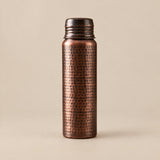
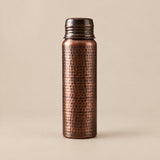
- Storage Conditions: If you will not use your pitcher for an extended period, do not leave it damp; ensure it is completely dry and store it in a dry cabinet. If you are looking for covered water containers for outdoor use, you can also browse our Water Bottles collection.
How Long Should Water Be Left in a Copper Pitcher?
For a traditional experience, plain drinking water is generally left to rest in a copper pitcher for 6 to 8 hours. Drinking water filled in the pitcher before bedtime will be ready for consumption in the morning. However, this period should not exceed 24 hours. Instead of keeping water in the same container for several days, the best way to use it is to replace it with fresh water every day.
If you have chosen a product with red hammered craftsmanship, such as our Red Handcrafted Embroidered Pure Copper Pitcher with Lid 1.5 L model, the same usage rules apply. By replacing the water inside daily, you can extend the life of your copper containers and bring the aesthetics of traditional copper craftsmanship to your table.
To explore all our copper containers, produced with craftsmanship passed down through generations in our Gaziantep workshops, and to add a traditional and aesthetic touch to your table, you can browse our Copper Glasses and pitcher collections.
The Master's Note
We recommend placing only clear drinking water inside the copper containers we hammer by hand in our Gaziantep workshop so that you can use them for many years with the same quality as on their first day. When the tin inside your pitcher wears away over time and the reddish copper color appears from underneath, you can have your product retinned and continue to use it safely.
Products Mentioned in the Article


Frequently Asked Questions
Is it harmful to put lemon water in a copper pitcher and consume it immediately?
Putting lemon water in the container for immediate serving at the table and consuming it within a short time will not cause significant damage to the container. However, it should not be left in the pitcher for hours.
Can the inside of a copper pitcher be used without tin?
The inner surface of copper containers that come into contact with food and water must be tinned. Untinned copper surfaces can oxidize when they come into contact with liquids.
What happens if a copper pitcher is put in the dishwasher?
The chemicals and high temperature in the dishwasher darken the designs on the outside of the copper and peel the tin on the inner surface, making the product unusable.
How to clean the tarnishing on a copper pitcher?
To remove the tarnishing on the outer surface, you can apply a mixture of vinegar and salt to a sponge and gently rub the outside, then rinse with plenty of water and dry.
Discover: Pitchers
Best Sellers


