


Is a Copper Pitcher Suitable for Daily Use?

In short: Copper pitchers lined with tin using traditional methods are completely suitable for meeting your daily water needs and serving chilled water at the table. They can be used safely for many years as long as they are not washed in the dishwasher and acidic beverages are not left in them for extended periods.
- Tin-lined copper pitchers can be safely chosen for daily water consumption and table service.
- Lemon, vinegar, or acidic beverages should not be left in a copper pitcher and should not be washed in the dishwasher.
- As long as the tin lining is protected until the pink copper color becomes visible, the copper pitcher maintains its ability to keep water cool.
Copper pitchers lined with tin using traditional methods are completely suitable for daily water consumption and table use. They can easily be chosen for storing drinking water throughout the day and serving chilled water at the table. However, basic usage rules, such as not leaving acidic beverages inside for extended periods and not washing them in the dishwasher, must be followed.
Can a copper pitcher be used for drinking water daily?
Yes, tin-lined copper pitchers are extremely suitable for meeting daily water needs and keeping water on the table. These products, which hold an important place in our traditional culinary culture, offer practical use at any time of day with their aesthetic appearance and ability to keep water cool.
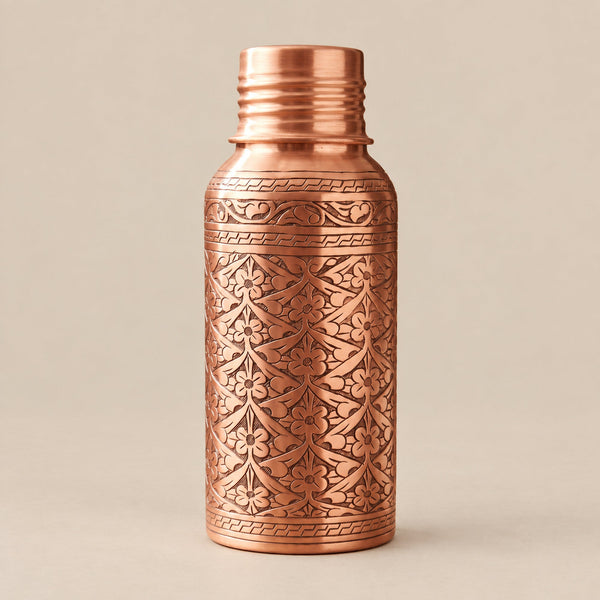
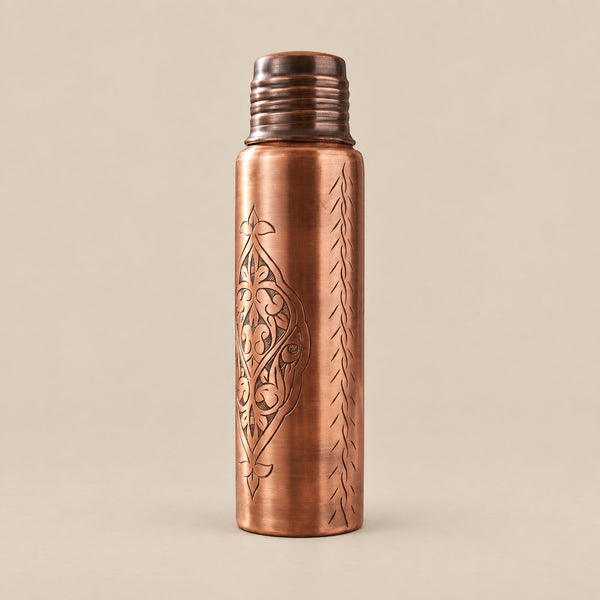
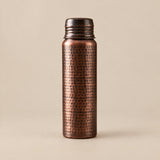
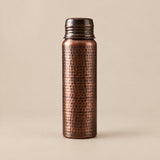
The pitchers we manufacture from pure copper in our workshop in Gaziantep are lined on the inside with food-safe pure tin. This lining process prevents the water from coming into excessive direct contact with the copper metal and ensures that the water tastes fresh. A Black Handmade Tin-Lined Copper 1.5 L Pitcher with Lid sitting on your table or counter not only adds visual elegance but also supports your habit of drinking water regularly throughout the day.
The covered designs in our Copper Kitchenware and Pitchers categories, which offer a wide range of product options, also prevent dust or foreign substances from entering the water. This way, you will have clean water at hand throughout the day.
How long should water be left in a copper pitcher?
In traditional use, letting drinking water in a copper pitcher rest at room temperature for 6 to 8 hours is the most preferred duration. Filling the pitcher with water the night before and consuming it in the morning, or filling it in the morning and drinking it throughout the day while refreshing it, creates an ideal usage routine.
It is not recommended to leave water in the same container for more than 24 hours. To preserve the taste and freshness of the water, it is recommended to refresh it daily. If you want to complete the traditional texture while serving from the pitcher you filled with fresh water into your glasses, you can use the 300 ml – 180 g Bright Hammered Tin-Lined Pure Copper Glass product or browse other handmade models on our Copper Glasses page.

Which beverages should not be put inside a copper pitcher?
Lemonade, orange juice, and sour cherry juice, as well as vinegar, turnip juice, or carbonated beverages, should definitely not be put in a copper pitcher and should not be left in the pitcher. Copper is a sensitive metal that can react chemically with acidic substances.
Although the tin lining on the inner surface forms a protective layer, liquids with a high acid content can cause the tin layer to melt or wear down when in contact for extended periods. The following points should be considered when using a copper pitcher:
- Lemon, vinegar, or acidic mixtures prepared for detox purposes should not be stored in a copper pitcher.
- Carbonated beverages such as cola, soda, and sparkling water are not suitable for the structure of copper.
- Only tap or spring water and cold beverages prepared for short-term serving should be preferred in the pitcher.
How should a copper pitcher used daily be cared for and cleaned?
The cleaning of a copper pitcher used daily should be done by hand using only lukewarm water, a soft sponge, and liquid dish soap. Harsh cleaning agents, dishwashers, or chemical bleaches damage the surface structure of the copper.
To extend the life of your pitcher and preserve its first-day aesthetics, you can follow this step-by-step cleaning routine:
- After using the pitcher, empty the remaining water and rinse it with lukewarm water.
- Add a few drops of dish soap to a soft sponge and gently clean the inner and outer surfaces without scrubbing.
- After rinsing with plenty of water, dry it immediately with a cotton cloth to prevent water spots from remaining on the outer surface.
- To remove the natural darkening that forms on the outer surface over time, you can sprinkle a little salt on half a lemon, gently rub the outside, and then wash and dry it.
What are the differences between a copper pitcher and a glass pitcher?
The copper pitcher stands out from glass pitchers with its durability, ability to keep water cool, and craftsmanship value. The differences between the two materials according to your usage habits are summarized in the table below:
| Feature | Copper Pitcher | Glass Pitcher |
|---|---|---|
| Durability | Extremely durable against impacts and drops, it does not break. | It has a fragile structure and requires careful use. |
| Temperature Retention | It has the ability to keep water cool for a longer period. | It is quickly affected by the ambient temperature. |
| Cleaning Method | It is washed only by hand with lukewarm water and a soft sponge. | It can generally be washed in the dishwasher. |
| Production and Aesthetics | It bears the traces of traditional craftsmanship and hammer-beaten art. | It is generally factory-made and mass-produced in standard series. |
When should the tin lining of a copper pitcher be renewed?
When the tin lining inside the copper pitcher wears out over time and the red copper color underneath becomes clearly visible, it is time to renew the tin. In pitchers used only for storing water, the tin lining lasts much longer compared to cooking pots.
You can periodically check the inner surface of your pitcher to see whether the integrity of the gray or silver-colored tin layer is maintained. As long as the gray coating remains, you can continue to use the pitcher safely. When the red copper texture begins to appear in large areas, it will be sufficient to consult a certified coppersmith to have it re-tinned.
To examine our handmade copper products, which are among the most elegant pieces of our Table and Presentation culture, and to add an authentic atmosphere to your kitchen, you can browse our Red Handmade Tin-Lined Pure Copper 1.5 L Pitcher with Lid model.
The Craftsman's Note
To extend the life of the pitchers we shape with hammer blows in our workshop, we recommend drying them immediately after washing. Since water spots may form on the wet copper surface, using a soft drying cloth ensures that your pitcher maintains its shine.
Products Mentioned in the Article


Frequently Asked Questions
Can a copper pitcher be put in the refrigerator?
Yes, you can put a copper pitcher in the refrigerator. Since copper is a conductive metal, the water inside cools quickly in the refrigerator, but it should not be placed in the freezer.
Does the water in a copper pitcher change taste?
Water stored in a copper pitcher lined with high-quality tin does not have a metallic taste. The tin lining preserves the naturalness and freshness of the water.
How should a newly purchased copper pitcher be cleaned for the first use?
Before using your newly purchased copper pitcher for the first time, it is enough to wash and dry it with lukewarm water and a few drops of dish soap using a soft sponge.
Is it dangerous to use a copper pitcher when the outside turns dark?
No, the darkening of the outer surface of copper due to contact with air over time is a natural process. The color change on the outside does not affect the safety of the water inside.
Discover: Pitchers
Best Sellers


