




Why Does a Copper Flask Tarnish?

In short: The tarnishing of your copper canteen is a natural oxidation process that occurs when copper comes into contact with air. This is inherent to the nature of copper and does not mean your product is of low quality. While this color change over time may cause the copper to lose its luster, it can be easily restored with proper care methods.
- Copper tarnishing is a natural oxidation reaction resulting from contact with air and is not an indication of poor quality.
- A tarnished copper canteen can be easily cleaned and polished with natural household items like vinegar, lemon juice, and baking soda.
- Protecting your copper products from acidic foods and beverages, keeping them out of the dishwasher, and performing regular maintenance will delay tarnishing.
The tarnishing of your copper canteen is a natural oxidation process that occurs when copper comes into contact with air. This is inherent to the nature of copper and does not mean your product is of low quality. While this color change over time may cause the copper to lose its luster, it can be easily restored with proper care methods.
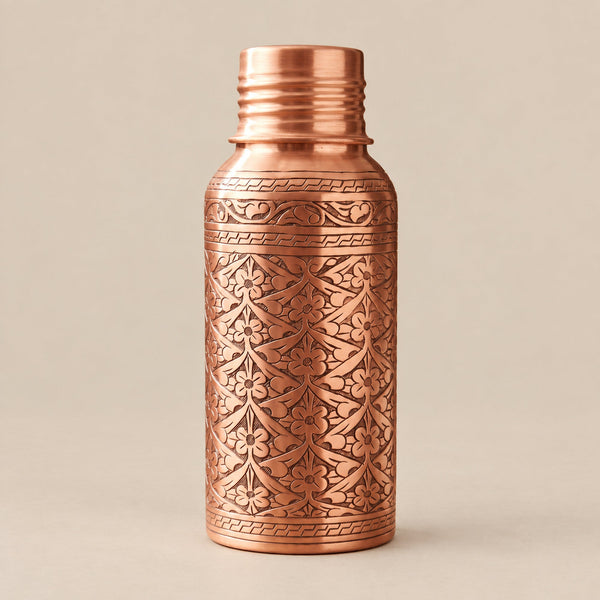
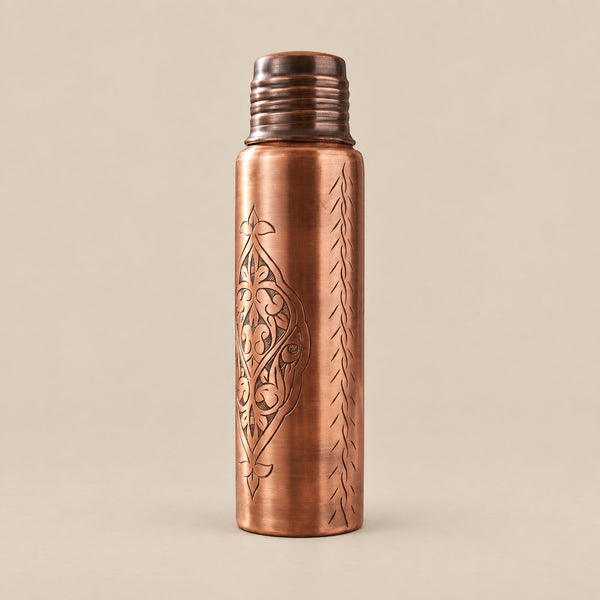
In our workshop in Gaziantep, the canteens, coffee pots, teapots, and many other products we craft by hand from pure copper add a traditional touch to your homes. However, along with this unique beauty, copper has a feature that sometimes raises questions: tarnishing. So, what exactly is this tarnishing, and why does it happen? Let us shed some light on this subject with the expertise of our masters.
Why Does a Copper Canteen Tarnish and Is It Normal?
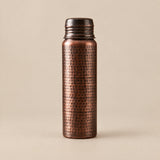
Yes, the tarnishing of your copper canteen is a completely normal and natural process. In chemistry, this phenomenon is called oxidation. When copper comes into contact with the oxygen in the air, it slowly reacts and forms a layer on its surface. This layer can cause the copper, which is initially a shiny reddish-brown, to turn dark brown or even greenish-black over time. Just like an apple turns brown when cut, copper changes color as it interacts with the air.
This tarnishing can become more noticeable in humid environments or when not used for a long time. It is not related to the quality of the copper; on the contrary, it is a natural characteristic of pure copper. All our handmade products, including the round red pure copper canteens produced in our workshop, will undergo this natural change over time. This shows that copper is a living material and that every product goes through its own unique aging process.
Is Tarnishing on a Copper Canteen Harmful to Health?
The tarnish on the outer surface of your copper canteen is not directly harmful to health. This tarnish is an oxide layer formed on the surface of the copper and can also be called rusting. However, there is a risk of copper ions leaching into the beverage if acidic drinks (such as lemonade, vinegar-based drinks, or fruit juices) are left in the inner surface of copper containers for a long time.
For this reason, the inner surfaces of many cooking and storage containers we produce with traditional methods in Gaziantep are tin-plated. Tin creates a barrier between the copper and the food, preventing the copper from leaching into the food. Since our canteens are generally used for carrying water, tin-plating the inner surfaces is not always mandatory, but we do have some tin-plated copper canteen models available. Avoiding keeping acidic beverages other than water in a copper canteen for long periods is important for safe use. The reason copper is traditionally preferred as a water storage container is the widely held belief that it slows down bacterial growth in water.

How to Clean and Polish a Tarnished Copper Canteen?
Cleaning the tarnished surface of your copper canteen and restoring its former shine is much easier than you think. With the practical and natural methods passed down from generation to generation by our workshop masters, you can make your canteen shine again. Here is the step-by-step cleaning guide:
-
Lemon and Salt/Baking Soda Method:
- Cut a lemon in half.
- Sprinkle plenty of salt or baking soda onto the half lemon.
- Rub the tarnished surfaces of your canteen thoroughly with this lemon. You will see the color of the copper brighten instantly.
- After rubbing the entire surface, rinse your canteen with plenty of water and dry it with a soft cloth.
-
Vinegar and Salt/Baking Soda Paste:
- Place 2 tablespoons of vinegar (preferably apple or grape vinegar) in a bowl.
- Add 1 tablespoon of salt or baking soda to create a thick paste.
- Apply this paste to the tarnished areas of your canteen using a soft cloth or sponge and rub gently.
- After waiting for a few minutes, rinse with plenty of water and dry.
-
Flour, Vinegar, and Salt Paste (For Heavier Tarnishing):
- Mix equal parts flour, vinegar, and salt to obtain a thick paste.
- Spread the paste over the entire surface of the canteen and leave it on for about 10–15 minutes.
- Afterward, clean off the paste by gently rubbing it with warm water and a soft cloth.
- Rinse thoroughly and dry. This method is especially effective for more stubborn tarnish.
When applying these methods, take care not to scratch the copper surface. Wire brushes, bleach, or harsh chemicals can damage the surface of the copper and permanently ruin its luster. In the ancient tradition of coppersmithing in Gaziantep, natural and gentle cleaning methods are always at the forefront.
Best Sellers


