



Copper Pot or Cast Iron Pot?

In short: Copper pots are ideal for dishes requiring delicate cooking thanks to their fast and even heat conduction, while cast iron pots are suitable for slow cooking and searing due to their ability to retain heat for a long time. Your choice depends on your cooking habits and personal taste.
- While copper pots heat up quickly and distribute heat evenly, cast iron pots retain heat for a long time and are ideal for slow cooking.
- The tin lining inside copper pots is vital for your health and must be renewed through regular maintenance.
- Both types of pots offer long-lasting use and delicious results in the kitchen with proper care and usage habits.
If you are pursuing traditional flavors in the kitchen, the choice of pot directly affects the soul of your dishes. So, which one is better for you: the copper pot, master of fast and delicate cooking, or the cast iron pot, which deepens flavor by retaining heat for a long time? In this article, as Usta Bakırcı, drawing on Gaziantep's ancient coppersmithing tradition, we will share the values that both materials bring to your kitchen based on our own experiences.
Both types of pots have their own unique advantages and areas of use. Making the right choice will both enhance the flavor of your meals and make the time you spend in the kitchen more enjoyable.
Why Are Copper Pots So Special?
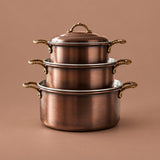
Copper pots have a unique place in the kitchen, especially thanks to their fast and even heat conduction. They distribute heat perfectly across the entire stove surface, which prevents food from sticking to the bottom and ensures every bite has the same flavor.
In Gaziantep cuisine, the copper pot is irreplaceable, especially for recipes requiring precise heat control such as pilaf, stews, and soupy dishes. For example, our handcrafted Pilaf Pot allows you to cook each grain of rice individually and evenly. This property of copper helps preserve the nutritional value of the food and allows its flavor to fully shine. Furthermore, the aesthetic appearance of copper adds a traditional elegance and warmth to kitchens. As Usta Bakırcı, we produce each of our pots and pans with Gaziantep's deeply rooted art of coppersmithing, using craftsmanship passed down through generations.
What Is the Role of Cast Iron Pots in the Kitchen?
Cast iron pots are known for their ability to retain heat very well and release it slowly. Thanks to these features, they are ideal for meat dishes that require long cooking times, stews, or oven-baked recipes.
Cast iron allows flavors to deepen by letting the food cook slowly in its own juices without releasing them. Because of its heavy structure and thick base, it does not lose heat once it has absorbed it, which provides energy efficiency. When frying, it maintains high and constant heat, allowing you to achieve results that are crispy on the outside and tender on the inside. However, cast iron pots heat up more slowly than copper pots and cannot react to sudden changes in temperature as quickly as copper.

How to Maintain Copper and Cast Iron Pots?
Proper maintenance is essential for both types of pots to ensure longevity. Follow our masters' practical tips to keep your traditional kitchenware as good as new.
Copper Pot Maintenance
- Cleaning: Wash your copper pots by hand after each use with hot water, a soft sponge, and soap. A dishwasher can damage the copper surface and cause it to lose its shine.
- Polishing: The color of copper may darken over time. This is a natural oxidation process. To polish it, you can use special copper polish or use traditional methods by creating a paste of lemon and salt. Rinse and dry after letting it sit for about 15 minutes.
- Tin Lining Check: The inner surface of copper pots that comes into contact with food must be tin-lined. When acidic foods (lemon, vinegar, tomatoes, etc.) come into direct contact with copper, they can cause the copper to oxidize and leach into the food. For this reason, ensure the tin lining is not worn out. If you notice darkening or wear on the tin, you must have your pot re-tinned.
- Storage: Store your copper pots in a dry place. Humidity can accelerate oxidation.
Cast Iron Pot Maintenance
- Cleaning: Clean your cast iron pots with hot water and a brush. Avoid using soap, as it can damage the natural "seasoning" layer that forms on the cast iron. If there are food residues, you can clean them by scrubbing with salt and a little water.
- Drying: Dry thoroughly immediately after washing. Cast iron is prone to rusting.
- Seasoning (Oiling): After each use, or to prevent rust, oil it with a thin layer of vegetable oil (sunflower, canola, etc.). Wipe off excess oil with a paper towel. This helps maintain the non-stick property of the pot and prevents it from rusting.
- Storage: Keep in a dry place, away from moisture.
Which Pot Is More Suitable for Which Dish?
Choosing the right pot in the kitchen directly affects the flavor and consistency of the food. Here are our masters' recommendations on which dishes are more suitable for copper and cast iron pots:
| Dish Type | Copper Pot | Cast Iron Pot |
|---|---|---|
| Pilaf and Bulgur Dishes | ✓ Cooked grain by grain due to fast and even heat distribution. | ✗ Because it conducts heat slowly, the pilaf might stick to the bottom or cook unevenly. |
| Soupy Dishes and Stews | ✓ Gently cooking vegetables and meats with precise heat control. | ✓ Deepening the flavor by retaining heat for a long time, slow cooking. |
| Jams and Desserts | ✓ Controlling the caramelization of sugar, preventing burning. | ✗ Higher risk of sugar sticking to the bottom, difficult to control heat. |
| Frying and Searing | ✗ Maintaining constant oil temperature can be difficult due to rapid heat changes. | ✓ Ideal frying and searing by maintaining high and constant heat. |
| Bread and Oven Dishes | ✗ Generally not suitable for oven use, heat retention capacity is limited. | ✓ Perfect results in the oven, spreading heat evenly for a cooked inside and crispy outside. |
What to Consider When Choosing a Copper Pot from Usta Bakırcı?
As Usta Bakırcı, we bring Gaziantep's century-old coppersmithing tradition to modern kitchens. Our handmade copper pots and pans are not just cooking tools, but works of art that will add value to your kitchen. Here is what you should consider when buying a copper pot:
- Material Quality: Ensure the pot is made of pure, high-quality, and processed copper. The copper we use in our workshop is processed in its purest form and is known for its durability.
- Handcraftsmanship: Handmade copper products are much more durable and aesthetic than machine-made ones. Each pot created by master hands has its own unique spirit. For example, our Heavily Engraved Red Copper Pot Set is a testament to our masters' meticulous craftsmanship.
- Inner Tin Lining: Ensure that the inner surface of the pot is lined with quality, food-safe tin. The tin lining prevents direct contact of copper with acidic foods and provides a healthy cooking environment. Tinning is a process that requires care and expertise. Usta Bakırcı products meet the highest standards in this regard. We pay special attention to this detail in products like our Black 4-Piece Hand-Engraved Tin-Lined Copper Pot Set.
- Handles and Grips: Pay attention to whether the handles of the pots are heat-resistant, sturdy, and ergonomic. Usually, brass or wooden handles are preferred.
- Base Thickness: Thick-based copper pots distribute heat more evenly and are longer-lasting. This is a quality indicator, especially in sets like our Oval Shiny Pot Set, which you can use for many years.
In conclusion, whether you use a copper pot or a cast iron pot in the kitchen depends entirely on your cooking habits and flavor expectations. While copper is an ideal choice for dishes requiring fast and precise cooking, cast iron is superior in slow cooking and retaining heat for a long time. Both materials will add unique flavors to your kitchen when used and maintained correctly.
As Usta Bakırcı, we continue to add value to your kitchens with our pure copper products, which we produce using traditional methods in our workshop in Gaziantep. You can visit our pots and pans collection to discover our wide product range and find the copper pot most suitable for your kitchen, or browse our Home Gift Sets if you are looking for a special gift for your loved ones. You can also check out all our best-selling products. Wishing you delicious meals following the trace of tradition!
Master's Note
In our workshop, we tin the interior of our copper pots using traditional methods with food-safe pure tin. This process is essential for the health and flavor of your meals while maintaining the fast heat conductivity of the copper. If the tin lining wears out over time, we strongly recommend that you have your pots re-tinned.
Products Mentioned in the Article


Frequently Asked Questions
Which dishes cook better in copper pots?
Copper pots are ideal for dishes like pilaf, bulgur dishes, jams, and delicate sauces thanks to their fast and even heat conduction. Their ability to easily control heat reduces the risk of burning.
Do cast iron pots rust?
Yes, cast iron pots can rust if they are not dried and oiled properly. Thoroughly drying them after each use and 'seasoning' (oiling) them with a thin layer of vegetable oil prevents rusting and maintains their non-stick property.
Why is the tin lining inside a copper pot important?
The tin lining inside a copper pot protects your health by preventing direct contact of copper with acidic foods. Worn tin lining can cause copper to leach into the food, so regular checks and renewal if necessary are important.
Can I wash copper and cast iron pots in the dishwasher?
No, neither copper nor cast iron pots should be washed in the dishwasher. Copper will tarnish and lose its shine, while the natural oil layer (seasoning) of a cast iron pot will be damaged and it will start to rust. Both must be washed by hand.
Do copper pots tarnish over time?
Yes, copper pots naturally oxidize and tarnish as they come into contact with air. This is a natural property of copper and can be easily polished with special copper polishes or traditional methods like a lemon-salt mixture.
Discover: Pots and Pans
Best Sellers


