


Which Is Healthier: A Copper Pitcher or a Glass Pitcher?

In short: Both a copper pitcher lined with tin using traditional methods and a glass pitcher are healthy and safe vessels when used under the right conditions. While a glass pitcher allows you to store beverages for a long time without altering their taste thanks to its neutral composition, a pure copper pitcher lined with tin offers the advantage of cooling water more quickly and maintaining its coolness. Which product to choose depends on your usage habits and the type of beverage.
- Glass pitchers are ideal for acidic beverages and long-term storage thanks to their neutral and chemically inert composition.
- Copper pitchers lined with tin stand out for their ability to keep water cool thanks to their high thermal conductivity and for providing the beauty of traditional presentation.
- For the healthy use of copper pitchers, it is essential to keep them away from the dishwasher and avoid contact with acidic liquids.
The material of the vessels we use for our daily water consumption in our homes directly affects both the freshness of the water we drink and the ease of use in the kitchen. In recent years, with the return to traditional culinary culture, the question of whether a copper pitcher or a glass pitcher is healthier has frequently come to the fore. While glass is known as a hygienic option for centuries thanks to its natural composition and neutral properties, pure copper vessels, expertly crafted in our Gaziantep workshops, take their place on the table with their ability to keep water cool and their aesthetic value. Both materials have their own unique advantages, areas of use, and care rules that should be observed.
Should a copper pitcher or a glass pitcher be preferred?
The choice between a copper pitcher and a glass pitcher depends entirely on your intended use, your expectation of keeping water cool, and your daily care routines. Thanks to its non-porous and neutral composition, glass does not enter into any chemical interaction with the liquid inside. This makes glass pitchers highly practical for storing different beverages such as iced tea, lemonade, and fruit juice. On the other hand, pure copper vessels lined with tin have high thermal conductivity. Their ability to quickly absorb the coldness of water at room temperature or in the refrigerator and preserve it for a long time makes copper a traditional favorite, especially for those who want to drink cool water in the summer months.
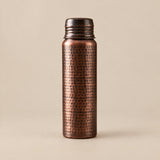
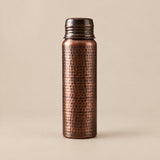
If you care about presentation elegance on your table and love to sip your water cool, a copper vessel lined with tin is a great choice. For example, the Red Handmade Tin-Lined Pure Copper Pitcher with Lid 1.5 L model, produced entirely by hand in our workshop, not only adds elegance to the table with its traditional red appearance but also ensures that the water remains clean thanks to its lidded design. If daily practicality, easy washing in the dishwasher, and trouble-free storage of acidic beverages are your priorities, glass pitchers will make your life easier.
What are the differences between a copper pitcher and a glass pitcher?
The most noticeable differences between a copper pitcher and a glass pitcher are thermal conductivity, hygiene care, durability, and usage restrictions. Glass pitchers are fragile but do not stain and can be washed effortlessly by hand or in the dishwasher. Copper pitchers, on the other hand, are extremely durable against drops and bumps; they retain their shape for years but cannot be put in the dishwasher and may require maintenance at certain intervals.
You can see the prominent technical and practical features of the two materials side by side in the table below:
| Feature | Copper Pitcher (Tin-Lined) | Glass Pitcher |
|---|---|---|
| Thermal Conductivity | Very high (Cools water quickly and keeps it cool) | Low (Slowly transmits temperature changes) |
| Impact Resistance | High (Unbreakable, even if bent, it can be re-tinned and straightened) | Low (Can break upon falling or bumping) |
| Acidic Liquid Compatibility | Not suitable (Lemon water, vinegar, etc. should not be left in it) | Completely suitable (All types of acidic beverages can be stored) |
| Cleaning Method | Only by hand, with a soft sponge and liquid soap | By hand or in the dishwasher |
| Maintenance Requirement | May require re-tinning over time | Does not require special care |
In kitchen hospitality, a combined use can also be preferred instead of single-type products. For example, while storing your water in a pitcher, you can achieve presentation unity with Copper Glasses that you add alongside it. The Black Handmade Tin-Lined Copper Pitcher with Lid 1.5 L product, prepared entirely with black forging craftsmanship, is a stylish alternative for those who love black tones in modern kitchen designs.

Is it safe to keep water in a copper pitcher?
Keeping drinking water in a copper pitcher lined with pure tin is a method safely applied in our traditional culinary culture. Copper mineral is a metal that can naturally react quickly to liquids. For this reason, the inner surface of copper kitchenware is traditionally lined with tin to keep contact with food safe. The pure tin layer cuts off the direct contact of copper with water, preventing the taste of water from being spoiled and ensuring safe use.
In traditional use, a lidded copper pitcher filled the night before is kept in a cool environment for 6 to 8 hours and consumed in the morning. During this process, the top of the water should be covered to protect it from dust and external factors. As long as you use a pitcher whose tin coating is not worn out, keeping your drinking water in copper vessels is extremely safe. However, if the tin inside the pitcher wears out over time and the yellow copper color clearly emerges, the product needs to be re-tinned.
Which beverages should not be stored in a copper pitcher?
Lemon juice, vinegar, turnip juice, tomato juice, or orange juice, like acidic beverages, should definitely not be stored in copper pitchers for a long time. Acidic components quickly dissolve the protective tin coating on the inner surface of copper and cause the copper metal to pass into the liquid. This situation both creates a metallic and unpleasant taste in the beverage and prevents safe use because it damages the protective layer.
If you love preparing lemon-heavy waters, detox drinks, or fruit compotes in your daily life, it is recommended that you use glass pitchers for these types of liquids. Copper pitchers and the products in our Pitchers collection are designed for plain drinking water or cold ayran presentations. For example, for those who love the traditional silver-plated appearance, serving only clear water or traditional churned ayran in the Silver-Forged Handmade Tin-Lined Pure Copper Pitcher 1.5 L model will preserve the product's life.
How to clean and maintain a copper pitcher?
Copper pitcher cleaning should be done by hand using only warm water, a soft sponge, and liquid soap to protect the tin coating and maintain the shine of the copper. Harsh chemicals, dishwasher detergent tablets, and hard dish scrubbers scratch the tin and damage the structure of the copper.
You can follow these steps to extend the life of your copper pitcher:
- Never put your pitcher in the dishwasher: The high temperature, salt, and pressurized water in the dishwasher darken the tin coating and dull the outer surface of the copper.
- Choose a soft sponge: Do not use steel wire or the hard green part of the dish sponge when washing the inside of the pitcher. Only a soft sponge surface and a neutral dish soap are sufficient.
- Dry immediately after washing: Water droplets left on the copper surface can cause lime and oxide stains over time. Dry your pitcher with a cotton cloth immediately after washing.
- Renew the outer surface shine with natural methods: The outer surface of copper can experience natural dulling over time by coming into contact with the air. By mixing a little lemon juice and salt and gently rubbing the outer surface with a soft cloth, you can restore it to its first-day shine.
A handmade copper pitcher that is properly cared for and used with care is durable enough to be passed down from generation to generation. Special designs like the Embroidered Red Handmade Pure Copper Pitcher with Lid 1.5 L, which stands out with heavy craftsmanship and elegant embroidery, will retain its elegance in the corner of your kitchen for many years when these rules are followed.
As seen, both glass and copper pitchers are valuable vessels that meet different needs in our kitchens. To discover unique pieces that combine naturalness with traditional handicrafts and change the atmosphere of your home, you can review our Copper Kitchen and Table and Presentation categories, and you can safely choose long-lasting copper products crafted by master hands.
Master's Note
While applying the tin coating to the copper vessels we forge in our workshop in Gaziantep, we use traditional nişadır and pure tin. Our masters recommend that lidded models be preferred when keeping water in a copper pitcher and that wire should definitely not be used to avoid scratching the tin layer inside the pitcher.
Products Mentioned in the Article


Frequently Asked Questions
How many hours should water be kept in a copper pitcher?
In traditional use, it is recommended to keep water in a copper pitcher for 6 to 8 hours at room temperature in a cool place.
Why is a glass pitcher more practical than a copper pitcher?
Glass pitchers are extremely practical in daily use and cleaning because they can be washed in the dishwasher and do not react with acidic beverages.
Is it harmful for the inside of a copper pitcher to darken?
It is natural for the tin coating inside a copper pitcher to change color over time, but if the yellow copper layer underneath starts to appear, the pitcher needs to be re-tinned.
Can a copper pitcher be stored in the refrigerator?
Yes, a copper pitcher can be safely stored in the refrigerator. Thanks to its high thermal conductivity, a copper pitcher cools the water inside much faster than a glass pitcher.
Discover: Pitchers
Best Sellers


