


Which Is Healthier: A Copper Water Bottle or a Stainless Steel Water Bottle?

In short: The answer to the question of whether a copper bottle or a steel bottle is healthier depends on its intended use. Stainless steel bottles stand out for their chemical neutrality and impact resistance, while pure copper bottles crafted using traditional methods are preferred for their ability to keep water fresh at room temperature and their deep-rooted place in culinary culture.
- Stainless steel bottles offer a practical solution for demanding conditions with their high impact resistance and neutral composition.
- Pure copper bottles provide a traditional alternative for storing water but should never be used for acidic beverages.
- To ensure copper products last a long time, they should not be washed in the dishwasher, exposed to bleach, and should be hand-washed and dried.
Whether a copper bottle or a steel bottle is healthier has no single answer, but both materials offer unique advantages when used correctly. Stainless steel bottles stand out for their chemically neutral composition and high impact resistance, while traditional pure copper bottles are preferred for how they keep water at room temperature and their centuries-old usage culture. Choosing the most suitable bottle type according to your intended use and daily habits is of great importance for both comfort of use and hygiene.
What are the main differences between a copper bottle and a steel bottle?
The main difference between a copper bottle and a steel bottle lies in the metals' thermal conductivity, reactivity, and manufacturing craft. Steel bottles are generally factory-produced from stainless steel alloys and allow liquids to be stored without altering their taste. In contrast, Copper Bottles, crafted by master hands in Gaziantep workshops, are made by hammering and shaping completely pure copper sheets, preserving the traditional serving culture.
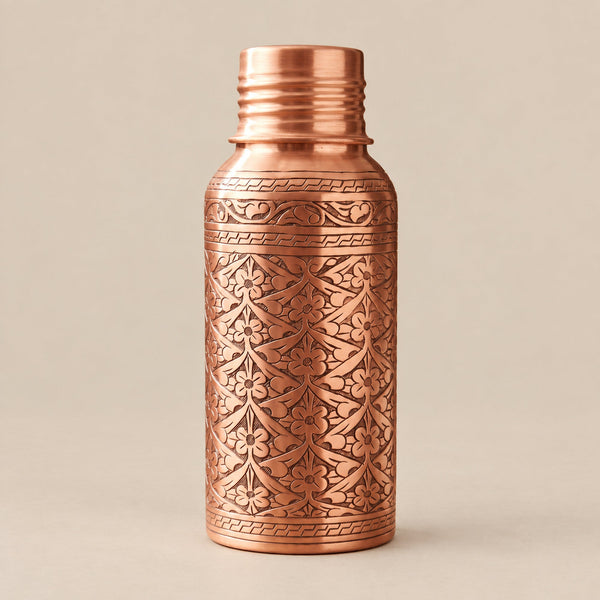
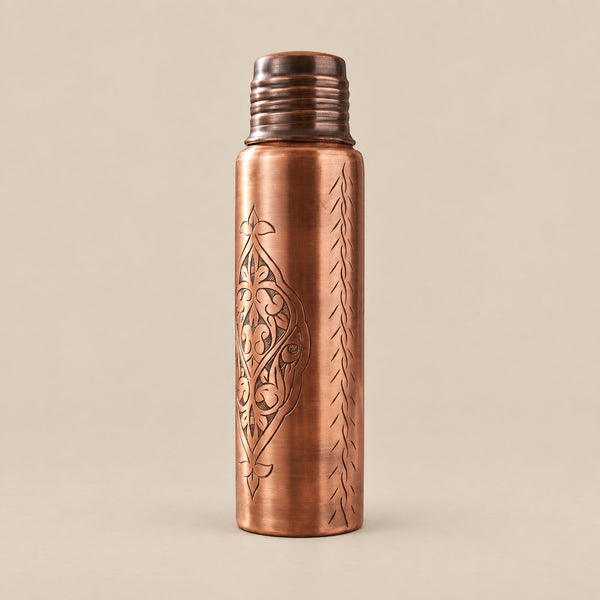
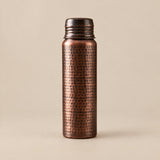
When making a choice in daily life, it will be useful to evaluate the physical and usage qualities of both materials side by side. For example, a container like the Handmade Pure Copper Bottle with Black Engraving 750 ml stands out with its aesthetic value and craftsmanship details; steel products provide more protection against impacts during nature walks and sports activities.
| Comparison Criterion | Handmade Pure Copper Bottle | Stainless Steel Bottle |
|---|---|---|
| Material Composition | Hammered pure copper (tin-lined inside optionally) | 18/10 stainless steel alloy |
| Impact Resistance | Dents may form due to its flexible metal structure | High drop and impact resistance thanks to its hard alloy |
| Beverage Compatibility | Only drinking water (acidic liquids should not be added) | Water, fruit juice, tea, coffee, and all liquids |
| Cleaning and Care | Only hand washing, natural polishing, and drying | Hand washing or dishwasher-safe models |
| Cultural and Aesthetic Value | Traditional craftsmanship, unique hammer marks, and decorations | Industrial, simple, and standardized design |
What safety rules should be followed when using a copper bottle?
The most basic safety rule when using a copper bottle is never to store foods and beverages with acidic properties inside the container. Acidic liquids such as lemon water, vinegar mixtures, ayran, tomato juice, or fruit juices can react chemically with copper metal. Since such beverages can cause the metal to dissolve when left in copper containers for a long time, it is a traditional rule to keep only plain drinking water in copper containers.
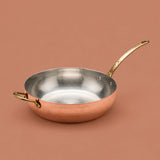
Another important point is the product's interior coating. Like in kitchenware, the traditional tin coating used in Copper Kitchen products limits the direct and excessive contact of the metal with the contents. If your bottle is made of pure copper without tin, the water should not stay inside for days and should be refreshed daily. Also, harsh bleaching chemicals such as bleach or dishwasher detergents should never be used during cleaning. High heat and aggressive chemicals damage the surface structure of the metal, accelerating tarnishing.

How do you care for and clean a copper bottle step by step?
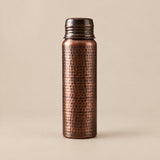
Copper bottle care should be done at regular intervals using the correct methods to preserve the product's shine and ensure hygienic use. To prevent delicate surfaces like the Handmade Pure Copper Bottle with Red Engraving 750 ml model prepared with craftsmanship from being damaged, you can follow the steps below:
- Washing with Warm Soapy Water: Gently clean the inside and outside of your bottle using a soft sponge, warm water, and mild dish soap. Avoid using wire or hard scrubbing cloths.
- Polishing with Natural Methods: Over time, natural tarnishing may occur on the outer surface of the copper due to moisture in the air. You can rub the outer surface of the bottle with half a lemon sprinkled with a little table salt, or restore your bottle to its first-day shine with a vinegar-salt mixture.
- Interior Hygiene: When cleaning the inside of the bottle, you can ensure hygiene down to hard-to-reach areas by swishing warm water with a thin brush or brass beads.
- Drying Immediately: As soon as the cleaning process is finished, completely dry your bottle with a cotton and soft cloth so that no water droplets remain. Spots may form on copper containers left damp.
Should a copper bottle or a steel bottle be preferred for daily use?
For those seeking lightness and durability in harsh outdoor conditions in daily use, a steel bottle is ideal, while for those seeking a traditional drinking experience in a home or office environment, a copper bottle is ideal. Steel bottles provide great practicality in outdoor activities with their resistance to impacts when carried in a backpack and their leak-proof cap mechanisms.
In contrast, if you are looking for an aesthetic touch on your desk or in your home's Table and Serving arrangement, pure copper products stand out. For example, models like the Handmade Pure Copper Bottle with Silver Color 750 ml or the larger capacity alternative Handmade Pure Copper Bottle with Daisy Pattern 1.6 Liters offer both visual richness and preserve the habit of storing water in traditional containers.
What is the difference between a tinned copper bottle and a non-tinned copper bottle?
A tinned copper bottle is a product whose interior surface is coated with a protective layer of tin, while a non-tinned copper bottle has a traditional structure where the pure copper metal directly comes into contact with water. Tin is a traditional protective layer that prevents the direct reaction of copper with air and liquids. While tin is a mandatory detail in pots and pans used for cooking, its use in bottles where only drinking water is placed is a matter of preference.
Non-tinned pure copper bottles are preferred by users who adopt traditional methods because they come into direct contact with water. However, natural color changes may occur on the interior surface of non-tinned copper over time. Tin-lined bottles are an option that is easier to care for and minimizes the metallic taste sensation. The masters in our Gaziantep workshop reflect their craftsmanship experience on the products to help you choose the most suitable structure according to the intended use of your bottle.
You can examine our copper products hammered using traditional methods in our workshop, and easily access the designs most suitable to your usage needs and taste through our online store.
The Master's Note
To keep the copper bottles we shape with hammer blows in our Gaziantep workshop in their first-day shine, we prefer the lemon and salt combination over chemical cleaners. Drying the inside and outside surface of the bottle with a soft cloth without leaving moisture after washing is the most practical way to preserve the natural structure of copper.
Products Mentioned in the Article


Frequently Asked Questions
Can lemon water be put in a copper bottle?
No, since copper containers can react chemically with acidic liquids such as lemon, vinegar, or fruit juice, acidic beverages should never be stored in a copper bottle.
Can a copper bottle be washed in the dishwasher?
Copper products should never be washed in the dishwasher; high temperatures and machine detergents cause spots and tarnishing on the outer surface of copper.
Does a copper bottle change the taste of water?
Water left inside a pure copper bottle for a long time may acquire a light and natural traditional taste due to contact with the metal; no taste change occurs in steel bottles.
How do you polish a copper bottle if it tarnishes over time?
You can quickly clean and polish the tarnishing on the outer surface of your bottle by gently rubbing it with half a lemon and salt or applying a vinegar-salt mixture.
Discover: Bottles
Best Sellers


