



When Should Copper Tinning Be Renewed?

In brief: The tin lining of your copper vessels wears out over time depending on the frequency of use and maintenance. It generally needs to be renewed once a year or when you see obvious signs of wear, darkening, or the appearance of the underlying copper color. This both extends the life of your product and ensures its healthy use.
- Copper tinning should be checked and renewed regularly for healthy and safe use.
- The appearance of copper color, darkening, and peeling are the clearest signs that it is time to renew the tin.
- With proper care and use, you can extend the life of your copper tinning and use your products for generations.
The tin lining of your copper vessels wears out over time depending on the frequency of use and maintenance. It generally needs to be renewed once a year or when you see obvious signs of wear, darkening, or the appearance of the underlying copper color. This process both extends the life of your product and ensures its healthy use. We wanted to share the intricacies of tin maintenance with you so that you can safely use for many years the pure copper products that we craft by hand with love and dedication in our workshop in Gaziantep.
Why is Copper Tinning So Important?
Copper tinning is the result of a tradition that has lasted for centuries and a practical necessity. Although copper is a sought-after metal in kitchens that conducts heat perfectly, it carries the potential for copper ions to leach into food, especially when in direct and prolonged contact with acidic food and beverages. This is where tin comes in.
Tin acts as a barrier by coating the inner surface of the copper. This barrier prevents food from coming into direct contact with the copper, thus ensuring that you can use your products safely. Tinned copper vessels should be preferred especially for dishes prepared with acidic ingredients such as lemon, vinegar, or tomatoes. The tinning process is essential not only for health but also to extend the service life of your copper vessels and preserve their aesthetic appearance. A tinned copper pot set becomes an heirloom that can be passed down for generations.
How Do We Know When It's Time to Renew the Tin Coating?
There are some obvious signs you should pay attention to in order to understand when it is time to renew the copper tinning. Noticing these signs early helps you extend the life of your product and maintain its healthy use. Here is the step-by-step tin check:
- Visual Inspection: Carefully examine the inner surface of your copper vessels. The tin coating has a bright silvery color when new. It may dull over time, but it should retain its general color.
- Color Change: In areas where the tin has worn away or peeled off, the underlying reddish copper color appears. This is the clearest sign that the tin is no longer doing its job. Pay special attention to the base and edges.
- Darkening and Stains: Dark, black, or greenish stains forming on the tinned surface indicate that the tin is undergoing oxidation and beginning to lose its protective properties. These stains usually become more pronounced where the tin has thinned or been damaged.
- Scratches and Abrasions: Deep scratches caused by cleaning with hard objects or during use can erode the tin layer. If the copper color is visible through these scratches, the tin should be renewed.
- Frequency of Use: The tin of copper vessels you use heavily for cooking should be renewed more frequently than those used only for decorative purposes. On average, you can consider a check and, if necessary, renewal once a year for a heavily used copper pan, and every 2-3 years for those used less frequently.
The following table will help you better understand the condition of your tin:
| Tin in Good Condition | Tin That Needs Renewal |
|---|---|
| Bright or slightly matte silvery color | Appearance of reddish copper color |
| Surface is smooth and homogeneous | Darkened, greenish, or stained areas |
| No scratches or abrasions | Deep scratches, peeling, or bubbles |
| Safe contact with food | Risky use with acidic foods |

What Should You Pay Attention to to Extend the Life of Copper Tinning?
Proper use and care are of great importance to extend the life of your copper tinning and reduce the frequency of renewal. Here are some practical tips from the experiences of our masters in Gaziantep:
- Hand Washing is Essential: Never put your copper vessels in the dishwasher. The high temperature, strong detergents, and pressurized water in the dishwasher cause irreparable damage to the tin layer. Always wash by hand using warm water and a soft sponge.
- Gentle Cleaning Products: Avoid using abrasive cleaners, bleach, or metal scouring pads. Such products shorten the life of the tin surface by scratching or thinning it. Prefer cleaners specifically produced for copper or natural cleaners.
- Avoid Hard Kitchen Utensils: Use wooden or silicone kitchen utensils instead of hard tools like metal spoons or spatulas while cooking. This prevents scratching the tin surface.
- Do Not Leave Acidic Foods for Long: Even if they are tinned, take care not to leave acidic foods like lemon, vinegar, or tomatoes in copper vessels for a long time. Transfer the food to another container after cooking. This also applies to copper pitchers; neutral beverages like water should be preferred over acidic drinks.
- Proper Storage: When storing your copper vessels, you can place a cloth or paper towel between them to prevent them from rubbing against each other or getting hit. Storing them in a dry environment away from humidity will delay darkening.
The Tin Renewal Process from Gaziantep Masters
The process of renewing copper tin is a traditional craft that requires expertise and attention. In our workshop in Gaziantep, this process is carried out meticulously with knowledge and experience passed down from generation to generation. The tin renewal process can be summarized simply as follows:
- Cleaning the Old Tin: First, the worn-out and old tin layer on the copper vessel is carefully cleaned. This process is vital to prepare the copper surface for the new tin.
- Surface Preparation: The copper surface is made smooth and clean by going through special processes. This stage ensures that the new tin adheres better to the copper.
- Tinning: The copper vessel is heated and coated with molten pure tin. Our masters ensure that the tin is spread evenly and with sufficient thickness over the entire inner surface, guaranteeing that the product is healthy and long-lasting. During this process, the copper being at the correct temperature is critical for the homogeneous spreading of the tin.
- Cooling and Polishing: After the tinning process is completed, the vessel is left to cool, and then the outer surface is polished to restore it to its original luster.
- This process is not just a coating job, but also an art of reviving the soul of copper. Therefore, you must entrust the tin renewal job to a reliable master who is an expert in their craft.
Additional Tips for Using Your Copper Products for Many Years
The bond you form with your copper products is not just about an object, but also a lifestyle and part of a traditional heritage. Here are some additional tips to keep using them like the first day for many years:
- Outer Surface Care: Since the outer surface of copper is not tinned, it can darken over time due to oxidation. This is a natural process. You can gently polish the outer surface with copper polishing creams or a lemon and salt mixture you can easily prepare at home. However, be careful that these mixtures do not come into contact with the tinned inner surface.
- Teapot and Coffee Pot Care: Regularly check the condition of the tin on the inner surface when boiling water or making coffee in your copper teapots and coffee pots. The tin can wear out faster, especially in regions where the water is hard (limy). A tinned teapot ensures you enjoy your tea in a healthy way.
- Copper as a Gift: Handmade copper products are meaningful and lasting gifts. When buying home gift sets for your loved ones, don't forget to share the care and usage instructions as well. This will further increase the value of the gift.
- Get Professional Help: If you notice any deformation or damage to your copper other than the tin, be sure to seek help from an expert coppersmith. Copper is a material that can be easily repaired and have its life extended in the right hands.
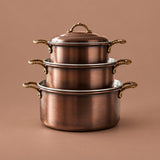
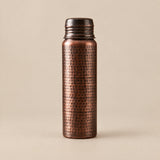
We add a traditional touch to your kitchens and living spaces with our products such as flasks, coffee pots, teapots, pots, pitchers, cups, trays, and bracelets, which we produce by hand from pure copper in our workshop in Gaziantep. To get more information about the maintenance and tin renewal processes of your copper products or to explore our products, you can browse our pots and pans, pitchers, and all other best-seller categories. Remember, a well-maintained copper vessel is not just a kitchen utensil, but also a work of art.
Master's Note
The tinning of copper products in our workshop is a special craft passed down from generation to generation. Our masters know that tin is vital not only for aesthetics but also for health and durability. When getting your copper vessels tinned, entrusting them to a master who is an expert in their field will directly affect the lifespan of your product.
Products Mentioned in the Article


Explore: Pots and Pans
Best Sellers


