



Why is the inside of a copper coffee pot tinned?

In brief: The interior of copper coffee pots is tinned to prevent direct contact between the copper and acidic foods and beverages, ensuring safe usage for human health. Tin is a less reactive metal than copper, which prevents acidic beverages like coffee from interacting with the copper and forming harmful compounds. This allows copper coffee pots to be used healthily and for a long time.
- Copper coffee pots are tinned for health and safety reasons to prevent acidic foods from reacting with the copper.
- To extend the life of the tin, copper coffee pots should never be washed in the dishwasher and should be protected from harsh chemicals.
- With regular and proper care, your tinned copper coffee pot can be used for generations just like it was on the first day.
The interior of copper coffee pots has been tinned for centuries following a long-standing tradition. This practice is crucial not only for the aesthetics of the product but also for user health and the durability of the item. The tinning process creates a barrier that prevents the direct contact of copper with acidic foods and beverages, avoiding harmful reactions and ensuring that copper coffee pots are used in a healthy and safe manner.
Why is the Inside of a Copper Coffee Pot Tinned? Scientific and Traditional Reasons for Tinning
Copper is a metal that conducts heat very well, is easy to hammer, and is aesthetically pleasing. However, if copper remains in prolonged contact with certain acidic substances (such as lemon, vinegar, tomatoes, or coffee), copper ions can dissolve, which may lead to undesirable consequences for human health. This is exactly where tinning comes into play.
In our workshop in Gaziantep, where we produce copper sets and individual items with great care and craftsmanship, tinning is applied to prevent this potential interaction with the copper. Tin (Sn) is a much less reactive metal than copper. Pure tin, which is resistant to high temperatures and suitable for food contact, is applied as a thin layer to the inner surface of the copper, acting as a barrier. Thanks to this barrier, the food and beverages being cooked or brewed do not come into direct contact with the copper, which both extends the life of the product and ensures safe usage.
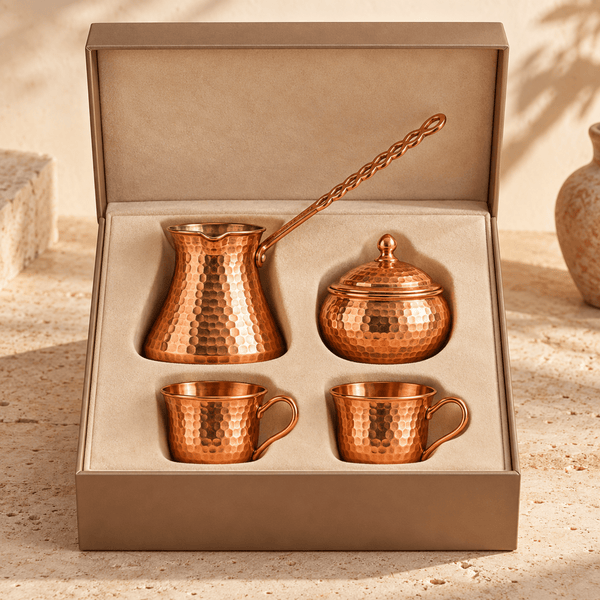
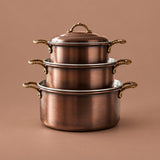
Products like the Copper Touch for a New Home – Housewarming Gift Set, which is specifically used for brewing coffee, must have a tinned interior. The slightly acidic nature of coffee can react with an untinned copper pot over time. The tin coating prevents this reaction, preserving the original flavor of the coffee and offering a healthy brewing experience. This traditional method is a piece of wisdom that has persisted for centuries in Anatolian culinary culture.
How Does the Tinning Process Work in Copper Coffee Pots?
In authentic handmade copper coffee pots, tinning is a process that requires great mastery and attention. In our workshop, this process strictly follows these steps:
- Cleaning and Preparation: First, the inner surface of the coffee pot is cleaned of all dirt and oxidation. This is usually done using special acid solutions and brushes. Ensuring the surface is completely clean and smooth is essential for the tin to adhere well to the copper.
- Heating: The cleaned coffee pot is slowly heated over a special hearth. It is important to reach the right temperature so that the tin can reach its melting point and spread homogeneously over the copper surface.
- Tin Application: Once the coffee pot reaches a sufficient temperature, pure tin pieces are placed inside. The master carefully spreads the melting tin over the entire inner surface of the pot using a special piece of cotton or cloth. At this stage, it is ensured that the tin reaches every point as an equal and thin layer.
- Cooling and Inspection: After the tinning process is completed, the coffee pot is left to cool slowly. After cooling, the integrity and smoothness of the tin layer are inspected in detail. If there are any gaps or defects, the process is repeated.
This handcrafted process is a craft passed down from generation to generation by our masters in Gaziantep. Each coffee pot within the First Coffee in the New Home – Premium Housewarming Gift Set reaches your home tinned with this meticulousness.

What Should You Pay Attention to When Using Tinned Copper Coffee Pots?
Owning a tinned copper coffee pot is not only an aesthetic pleasure but also comes with the responsibility of proper use and maintenance. There are some important points you should pay attention to in order to extend the life of your pot's tin lining and maintain its healthy use:
- Acidic Foods and Beverages: You should avoid leaving highly acidic foods and beverages like lemon juice, vinegar, or tomatoes in your copper coffee pot for long periods, other than coffee. Even though the tin layer is protective, overly acidic environments can erode the tin over time.
- Hard Contact and Scratches: The tin layer is quite delicate. Avoid using metal spoons, whisks, or hard scouring pads. Such utensils can scratch or remove the tin layer. It is best to prefer wooden or silicone kitchen utensils.
- Excessive Heat: Leaving your coffee pot on the stove for a long time while empty or using it over very high heat can cause the tin to melt or deteriorate. Always ensure there is some liquid inside and try to use it on medium heat.
These simple but effective measures ensure that the tin on your pots in special sets like the New Home Prestige Gift Set lasts for many years.
How to Maintain a Tinned Copper Coffee Pot?
Regular and correct maintenance is essential for your tinned copper coffee pot to retain its first-day shine and healthy structure. Here are practical maintenance tips from the masters in our workshop:
- Hand Washing is Essential: Never wash your copper coffee pot in the dishwasher. The high heat and aggressive detergents in dishwashers damage the tin layer or can even remove it completely. Always wash by hand using lukewarm water and a soft dish sponge.
- Use Gentle Detergent: Avoid detergents containing heavy chemicals or abrasive properties. Prefer gentle dish soaps with natural ingredients. Bleaching agents like bleach will dull and damage the tin.
- Dry Immediately: After washing, dry your coffee pot immediately with a soft cloth. Water spots and mineral deposits can cause oxidation on the outer surface of the copper. It is also not recommended for moisture to remain on the tin interior for a long time.
- Polishing for Exterior Care: The outer surface of the copper may darken or tarnish over time. This is a natural oxidation process. You can polish the outer surface using copper polishing creams or traditional methods (such as a mixture of lemon and salt). However, never apply this polishing process to the tinned interior.
When proper maintenance techniques are applied, your tinned copper coffee pot can transform from just a kitchen utensil into a family heirloom to be passed down through generations. In addition to your copper coffee pot, you can apply similar maintenance principles for other tinned cooking products such as teapots.
How Often Should a Copper Coffee Pot be Re-tinned?
The frequency of re-tinning a tinned copper coffee pot depends on the intensity of use and its maintenance. However, as a general rule, re-tinning should be considered when any wear, scratches, or darkening are noticed on the tin layer.
According to the observations of the masters in our workshop:
- Intensive Daily Use: If your coffee pot is used every day, the tin layer may begin to wear down within an average of 1 to 2 years.
- Occasional Use: The tin of a coffee pot used a few times a week can last for 3 to 5 years.
- Visual Inspection: The safest method is to check the condition of the tin regularly. If there are signs such as dullness in the tin layer, copper becoming visible, color changes, or peeling, you should have your coffee pot re-tinned by showing it to an expert (coppersmith).
The re-tinning process requires as much meticulousness as the first tinning and must be performed by a reliable coppersmith who knows this trade. The tinning process can be done not only on the inner surface but sometimes on the outer surface for decorative purposes, but for coffee pots, the essential part is the inner surface that comes into contact with food.
Are Untinned Copper Products Safe?
Copper itself is a natural metal and is necessary for the human body in trace amounts in certain forms. However, it is not recommended to store or cook highly acidic foods in untinned copper vessels for long periods. The reason for this is that the acidic environment can react with the copper, leading to the transfer of copper ions into the food.
So, are untinned copper products never used? Of course they are used, but one should be careful about their usage areas:
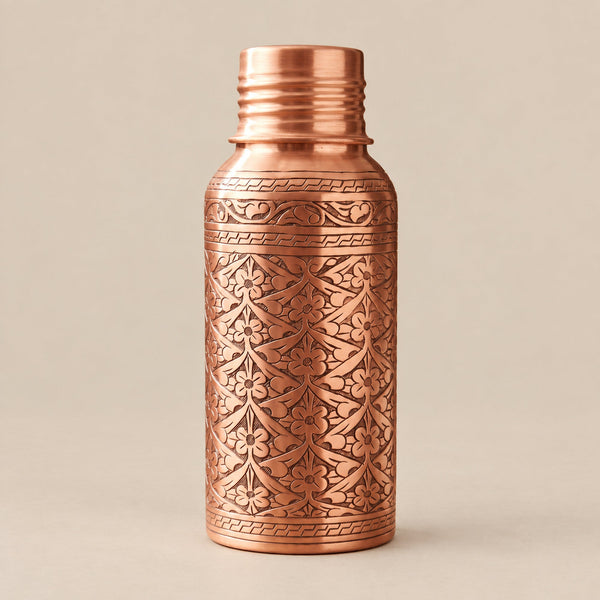
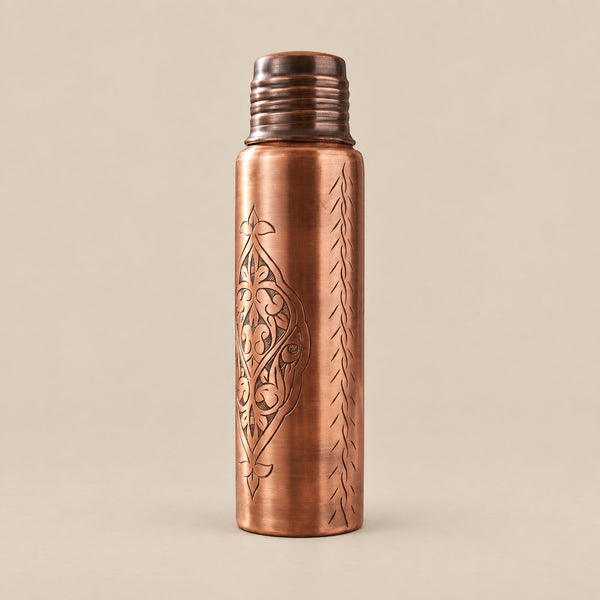
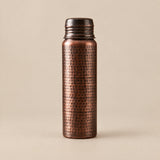
- Water Pitchers and Flasks: Water is not an acidic beverage, therefore untinned copper flasks can be used safely. It is traditionally believed that there are certain benefits to keeping water in copper vessels. However, it is still important that water does not stay for a long time (more than a few hours) and that the vessels are cleaned regularly.
- Decorative Products: Products that do not have direct contact with food, such as trays and wall ornaments, can be untinned and used safely. These products showcase the natural beauty and aesthetics of copper.
- Products for Presentation Only: Some copper products are produced for presentation purposes only and have very short-term contact with food. Such products can generally be untinned, but prolonged contact with acidic foods should still be avoided.
In summary, whether a copper product is tinned or not should be evaluated according to its intended use and whether it will come into contact with food. The interior of all copper products intended for cooking or storage should be tinned. As Usta Bakırcı, we pay great attention to this distinction, prioritizing your health and the quality of our products.
The copper coffee pots that we produce with great effort and love using the ancient copperworking tradition of Gaziantep are not just kitchen utensils but also a cultural heritage. After understanding the nuances of tinning and applying the right maintenance methods, every cup of coffee you prepare with your copper coffee pot will offer you the taste of this unique tradition. By browsing our copper cups and other products carefully prepared by our workshop, you can bring the warmth and elegance of copper into your home.
Master's Note
In the tinning process of every handmade copper coffee pot we produce in our workshop, we take care to use the purest tin and ensure it is distributed equally to every point. This care not only extends the life of the product but also preserves the taste of your coffee. We recommend that you wash your tinned copper coffee pot with lukewarm water and soap and dry it thoroughly before its first use.
Products Mentioned in the Article


Frequently Asked Questions
Is it harmful to brew coffee in an untinned copper coffee pot?
Yes, brewing acidic beverages like coffee in an untinned copper pot can cause copper ions to mix into the drink and pose a health risk. Therefore, it is important to use a tinned coffee pot.
How do I know if the tin in my tinned copper coffee pot has peeled off?
Dullness in the tin layer, the copper color becoming visible, color changes, or regional peeling indicate that the tin has eroded. In this case, re-tinning is necessary.
What should I use to polish my copper coffee pot?
You can use special copper polishing creams or natural methods (a mixture of lemon and salt) to polish the outer surface of your copper coffee pot. However, never apply these substances to the tinned inner surface.
What should I do before the first use of my newly purchased copper coffee pot?
Washing your newly purchased tinned copper coffee pot with lukewarm water and a gentle dish detergent and drying it thoroughly before its first use will clean any potential residues from production.
Is tinning a costly process?
The tinning process is a craft that requires manual labor, which extends the life of the copper product and ensures its healthy use. Although its cost varies depending on the size of the product and the quality of the tin, it is a valuable investment when the long-term benefits are considered.
Discover: Copper Sets
Best Sellers


