



Copper coffee pot or steel coffee pot?

In short: For those seeking a traditional Turkish coffee experience, a copper pot is ideal due to its even heat distribution and the unique aroma it adds to the coffee. Those looking for practicality and easy cleaning in modern kitchens may prefer steel pots, but they should not expect the depth of flavor that copper provides.
- Copper pots offer a traditional Turkish coffee experience by enriching the coffee’s aroma and foam.
- While steel pots are a practical alternative in terms of ease of use and durability, they cannot match the heat conductivity of copper.
- Regular tinning and proper cleaning of copper pots are vital for long-lasting and safe use.
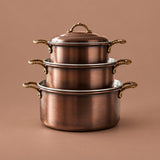
The question of copper vs. steel coffee pots is a classic dilemma frequently raised by Turkish coffee enthusiasts. While copper pots stand out for their excellent heat conductivity and ability to enrich the aroma of the coffee for a traditional Turkish coffee experience, steel pots are preferred in modern kitchens for their practicality and easy maintenance. Handmade by our masters in our Gaziantep workshop, our pure copper pots offer a unique experience that carries the traces of history and craftsmanship in every sip.
Why is a Copper Pot Indispensable for Turkish Coffee?
The place of the copper pot in Turkish coffee tradition is indisputable; the primary reason for this is copper's unique ability to conduct and distribute heat. Copper absorbs heat rapidly and spreads it evenly throughout the pot. This allows the coffee to brew slowly and homogeneously, helping its aroma to fully emerge and serving as the key to that famous, thick-foamed Turkish coffee.
Every copper pot we produce in our workshop is shaped by the experience of our masters. Thanks to this property of copper, the coffee grounds release their full flavor and scent into the water without burning. As a result, Turkish coffee brewed in a copper pot leaves a fuller, more intense, and unforgettable taste on the palate. Furthermore, the aesthetic appearance and traditional texture of copper transform the coffee-making ritual into a pleasure in itself. The patina that forms on copper over time adds a characteristic beauty to the pot, bringing an authentic feel to your kitchens. You can check out our housewarming gift sets, which we have designed to make your coffee hours special.
Tips for Making Coffee in a Copper Pot
- Choosing the Right Pot: Select the size of the pot based on how many cups of coffee you will make at once. To prevent the coffee from overflowing, use enough water not to exceed two-thirds of the pot.
- Low Heat and Patience: Because copper conducts heat so well, always brew the coffee over low heat. Do not rush; waiting for the coffee to foam slowly will enhance its flavor.
- Separating the Foam: When the coffee starts to boil and the foam rises to the surface, distribute the foam into the cups first. Then, place the pot back on the heat, let it boil for one more turn, and add the remaining coffee to the cups.
- Tinning Check: Ensure that the tin lining on the inner surface of your copper pot is intact. The tin layer prevents direct contact between the copper and the coffee and ensures safe use. When you see discoloration or wear, it is time to have it re-tinned.
What Are the Advantages and Limitations of a Steel Pot?
Steel pots can be an attractive option for those looking for practicality and durability in modern kitchens. Stainless steel saves time with its easy-to-clean structure and dishwasher-safe feature. They are also lighter and generally more affordable than copper.
However, steel pots also have some limitations. The primary difference is heat conductivity. Steel is not as good a heat conductor as copper. This can cause the coffee to heat up faster at the bottom of the pot while remaining slower at the sides. As a result, the coffee may not brew evenly, and it may be difficult to obtain an aroma as rich and foam as abundant as that in a copper pot. While steel pots offer a fast and practical coffee-brewing experience, they may fall short in fully delivering the traditional taste and ritual of Turkish coffee. If you are interested in handmade and authentic kitchenware, you can browse our kitchen accessories collection.

What You Need to Know for the Maintenance and Safety of Your Copper Pot
To enjoy your handmade copper pots for many years and use them safely, it is very important to know the correct maintenance methods. With proper care, copper is a legacy that can be passed down from generation to generation.
1. The Importance and Checking of Tinning
The inner surface of copper pots is usually coated with tin in areas that come into contact with food. This tin layer prevents the copper from coming into direct contact with acidic foods (lemon, vinegar, tomatoes, etc.), ensuring safe use. Although coffee is not acidic, the tin coating prevents the copper from oxidizing over time and extends the life of the pot.
- Visual Inspection: Check the inner surface of your pot before every use. If there are deformations such as blackening, wear, scratches, or holes in the tin coating, you need to have your pot re-tinned before using it.
- Professional Tinning: The tinning process should be performed by expert coppersmiths. We offer this service in our workshop using traditional methods and food-safe pure tin. Depending on the frequency of use, you may need to have your copper pot re-tinned approximately every 1–2 years.
2. Proper Cleaning Methods
The outer surface of your copper pot may darken over time due to oxidation. This is a natural process and a characteristic of copper. However, care should be taken during cleaning so as not to damage the tin on the inner surface.
- Hand Washing is a Must: Never wash copper pots in the dishwasher. The high temperature and chemical detergents of the dishwasher damage both the outer surface of the copper and the tin coating inside.
- Gentle Cleaning: Clean your pot using warm water, a soft sponge, and a small amount of dish soap. Avoid using hard brushes or abrasive cleaners.
- Drying: Dry your pot immediately with a soft cloth after washing. Leaving it damp can cause water spots or oxidation.
- Outer Surface Care: To remove darkening on the outer surface and restore its shine, you can use copper polishing creams or traditional methods (vinegar and salt mixture, lemon and salt). However, be careful not to let these substances come into contact with the tinned inner surface.
- Avoid Bleach and Harsh Chemicals: Using harsh chemicals such as bleach or hydrochloric acid on your copper products causes irreversible damage to the structure of the copper and the tin coating.
How to Recognize a Genuine Handmade Copper Pot
While there are many copper products of varying quality on the market, here are some tips to distinguish genuine, handmade, pure copper pots, such as the ones we produce in our workshop in Gaziantep:
- Weight and Thickness: Genuine handmade copper pots are usually heavier. This is due to the density of pure copper and the thicker copper sheets used by masters while shaping the product by hammering. Thin, light copper pots are usually mass-produced and may be insufficient in distributing heat evenly.
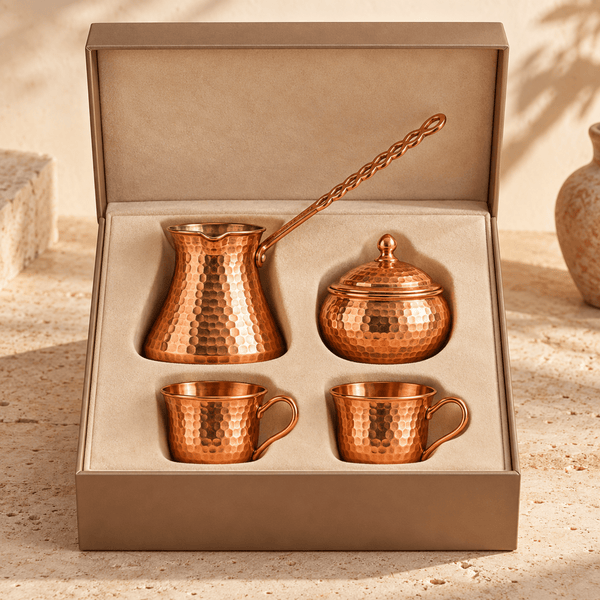
- Hammer Marks: Handmade copper products have unique hammer marks made by the master's mallet. These marks show that each pot is unique and carries the effort of a craftsman. Smooth and patternless surfaces are usually machine-made.
- Internal Tinning: The inside of pure copper pots is coated with food-safe pure tin. This coating should have a bright and homogeneous appearance. The quality of the tin directly affects the service life and safety of the pot.
- Handle and Connection Points: In handmade pots, the handles are usually made of natural materials such as brass or wood and are fixed to the copper body with sturdy rivets. These connection points exhibit careful workmanship in terms of sturdiness and aesthetics.
As Usta Bakırcı, we are proud to offer you this traditional craftsmanship and quality in every single one of our products. You can browse our best-sellers category to discover our handcrafted products. You may also be interested in our pots and pans, which will add a traditional touch to your kitchen.
What Are the Main Differences Between a Copper Pot and a Steel Pot?
You can check the table below to see the main differences between the two types of pots more clearly. This table will assist you in your decision-making process.
| Feature | Copper Pot | Steel Pot |
|---|---|---|
| Heat Conductivity | Excellent, distributes heat evenly and quickly. Ensures every particle of coffee brews simultaneously. | Moderate, does not distribute heat as evenly as copper. The base heats up faster while the sides may remain slower. |
| Coffee Flavor and Foam | Supports a richer aroma, more intense taste, and abundant foam formation. Offers a traditional Turkish coffee experience. | Taste and aroma may be less pronounced compared to copper. Foam quality is generally not as good as in a copper pot. |
| Ease of Maintenance | Requires special care (hand washing, tinning check, polishing). Cannot be washed in the dishwasher. | Easier maintenance (can be washed by hand or in the dishwasher). Does not rust. |
| Durability | Can be used for generations with proper care. May require tinning renewal. | Generally durable and long-lasting. No special maintenance is needed. |
| Aesthetics and Tradition | Offers a traditional, authentic, and handmade aesthetic. Develops a patina over time. | Has a modern and minimalist appearance. |
| Safety | The inner surface must be tin-coated and checked periodically. Should not be kept in contact with acidic foods for long periods. | Generally safe for food contact; does not require special coating. |
As you can see, both types of pots have their own unique advantages and disadvantages. Your choice will be shaped by your coffee habits, kitchen style, and the time you can dedicate to maintenance.
Which One Is Ideal for You?
If you want to live the ancient tradition of Turkish coffee and are looking for a rich aroma and a flavorful experience with plenty of foam in every sip, a handmade pure copper pot will be the ideal choice for you. A copper pot is not just a kitchen utensil; it is also a bearer of a culture and craftsmanship. As Usta Bakırcı, we bring this unique experience to your home with our copper pots that we produce with care in our workshop in Gaziantep.
If practicality and easy cleaning are your priorities and you can put the traditional depth in coffee flavor on the back burner, steel pots will also serve your purpose. But remember that for a true Turkish coffee pleasure, no other material can provide the unique touch that copper offers. If you are looking for a traditional copper touch for your home or as a gift for your loved ones, you can browse the sets with pots in our Housewarming Gift Sets category and crown your coffee pleasure. Don't forget to check out our other presentation products produced with Usta Bakırcı quality.
Master's Note
When preparing our hand-hammered copper pots in our Usta Bakırcı workshop, we take care to use copper of the ideal thickness that will ensure every particle of the coffee brews evenly. This way, your coffee is both more flavorful and achieves a consistency with plenty of foam. Copper's ability to distribute heat evenly is the most important secret of coffee making.
Products Mentioned in the Article


Frequently Asked Questions
Why is coffee brewed in a copper pot more delicious?
Because copper conducts and distributes heat very well and evenly, it ensures that every particle of the coffee brews homogeneously. This helps the coffee's aroma to fully emerge and offers a richer flavor profile.
How often should the tin coating inside a copper pot be renewed?
Depending on the frequency of use and maintenance, the tin coating inside copper pots should be renewed by a professional coppersmith on average every 1–2 years. When you see blackening or wear on the tin, it is time for renewal.
Can a copper pot be washed in the dishwasher?
No, copper pots should definitely not be washed in the dishwasher. The high temperature and chemical detergents of the dishwasher damage both the outer surface of the copper and the tin coating inside.
Do steel pots make coffee as foamy as copper pots?
Since steel pots do not conduct heat as well as copper, they may have difficulty ensuring the coffee brews evenly. This can make it difficult to obtain as abundant and dense a coffee foam as in a copper pot.
Why does the outer surface of a copper pot darken and how is it polished?
The outer surface of copper oxidizes and darkens over time by coming into contact with air; this is a natural process. To polish it, copper polishing creams or natural methods such as vinegar-salt or lemon-salt mixtures can be used, but they should not be allowed to come into contact with the tinned inner surface.
Discover: Housewarming Gift Sets
Best Sellers


