



What is a Copper Teapot?

In brief: A copper teapot is a traditional, handcrafted kitchen utensil that has been used for generations, bringing water and tea together with a unique flavor. Thanks to copper's ability to distribute heat evenly, it brings out the best in tea's aroma and adds a warm touch to kitchens with its aesthetic appearance.
- Copper teapots are indispensable in traditional kitchens due to their ability to distribute heat evenly and enrich the aroma of tea.
- To extend their lifespan and ensure safety, attention should be paid to the durability of the internal tin lining and contact with acidic foods should be avoided.
- Copper teapots should be washed by hand, not in the dishwasher, and can maintain their original shine with regular maintenance.
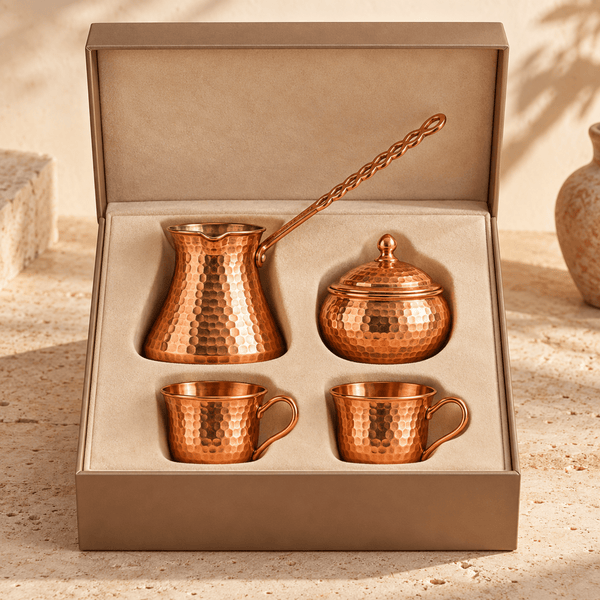
A copper teapot is a traditional, handcrafted kitchen utensil that has been used for generations, bringing water and tea together with a unique flavor. Thanks to copper's ability to distribute heat evenly, it brings out the best in tea's aroma and adds a warm touch to kitchens with its aesthetic appearance. Prepared by hand-hammering pure copper in our workshop in Gaziantep, these teapots offer both a functional and visual feast.
Why Choose a Copper Teapot?
Copper teapots hold a special place in kitchens with their unique features, such as distributing heat evenly and enhancing flavor by preserving the tea's aroma.
Copper is one of the best heat conductors among metals. Thanks to this feature, copper teapots heat water much faster and more homogeneously. The fact that every part of the water begins to boil at the same time optimizes the tea steeping process and helps the tea leaves release their aroma into the water most effectively. Compared to teapots made of other materials like stainless steel or glass, the taste of tea brewed in a copper teapot is deeper, richer, and more lasting. Coming from the hands of our masters in our Gaziantep workshop, our copper teapot models bring this traditional flavor to modern kitchens, with each one serving as a work of art with its unique motifs and hammer marks. For example, the Oval Silver-Embroidered Copper Teapot, which stands out with its elegant engravings, combines both functionality and aesthetics.
How to Recognize a Genuine Handcrafted Copper Teapot?
Genuine handcrafted copper teapots can be easily distinguished by their distinct features such as weight, surface texture, and internal tin lining.
The pure copper teapots produced in our workshop in Gaziantep have a sturdy and solid structure shaped by our masters' hammering technique. In hand-hammered products, it is possible to see slight undulations, small hammer marks, or unique texture differences on the copper surface. These marks are proof that the product is crafted by human hands, not machines, with great care. The natural color of copper is in brilliant reddish-brown tones and may darken over time as it comes into contact with air, developing its own unique patina. One of the most important distinguishing features is that the inside is tinned. Tin plays a critical role in both health and product longevity by preventing direct contact of copper with food. Low-quality or mass-produced products are often lighter, have flawlessly smooth surfaces, and may be untinned on the inside. Details in products like our Black Hand-Hammered Copper Teapot are some of the finest examples of true craftsmanship.

What Should Be Considered When Using a Copper Teapot?
To use your copper teapots safely and enjoyably for many years, you should pay attention to the condition of the internal tin lining and avoid prolonged contact with acidic food/beverages.
- The Importance of Internal Tin Lining: The inner surface of all copper products used for cooking or boiling must be coated with tin. Tin acts as a protective barrier that prevents copper from mixing with food at high temperatures. Over time, especially with frequent use, the tin lining may wear out. If there is noticeable darkening, scratches, or the copper itself begins to show, the product needs to be re-tinned. Such re-tinning processes are meticulously carried out in our workshop.
- Contact with Acidic Foods: Acidic foods and beverages like lemon, vinegar, and tomatoes should not be kept in copper for a long time. Acid can damage the tin lining and cause the copper to oxidize. Short-term contact while brewing tea in the teapot does not pose a problem, but it is recommended not to leave brewed tea in the teapot for hours.
- Correct Heat Source and Flame Setting: Copper teapots can be safely used on gas, electric, and ceramic stoves. However, care should be taken to ensure the flame does not exceed the base of the teapot. An excessively high or spreading flame can lead to color changes on the outer surface of the teapot and damage the handles.
- Avoid Boiling Empty: Leaving the teapot on the stove for a long time without water inside can cause serious damage to both the product itself and the internal tin lining. This situation can cause the tin to burn, rendering the product unusable.
How to Clean and Maintain a Copper Teapot?
Copper teapots should never be washed in the dishwasher, kept in contact with chemicals like bleach; they should be cleaned by hand with gentle methods to preserve their shine.
Applying the correct cleaning and maintenance methods is vital to extend the life of your copper products and preserve their original beauty. Improper applications can damage the tin lining and disrupt the natural structure of the copper.
- Daily Cleaning: After each use, wash your teapot by hand with warm water and a soft dish sponge. When cleaning the inside, be careful not to damage the tin lining. Avoid using hard brushes or abrasive cleaners. After washing, dry it immediately with a dry, soft cloth to prevent water spots and tarnishing.
- Polishing and Removing Tarnish: Copper naturally darkens (oxidizes) over time as it comes into contact with air. To remove this tarnish and polish the copper, you can use special copper polishes, or you can benefit from traditional methods. A method frequently used by our workshop's masters is to mix a little vinegar and salt to create a paste, or use a paste prepared by mixing lemon juice and baking soda. Apply this mixture gently to the copper surface with a soft cloth and scrub, then rinse thoroughly with plenty of water and dry. For intricately detailed products like the Hand-Carved Red Pure Copper Teapot, it is important to ensure the paste gets into the gaps of the carvings and clean it carefully.
- Stay Away from Dishwashers and Chemicals: Never put your copper teapots in the dishwasher. The high heat and aggressive detergents of the dishwasher will irreparably ruin the tin lining and permanently change the color of the copper. Likewise, you should absolutely avoid using strong chemicals such as bleach or hydrochloric acid, or abrasive cleaners.
- Storage Conditions: Storing your copper teapot in a dry place away from humid environments slows down the tarnishing process. If it will not be used for a long time, you can wrap it in a cloth cover to cut off contact with air.
What Should Be Considered When Choosing a Copper Teapot?
Factors such as material quality, craftsmanship, and suitability for the intended use are decisive for a long-lasting and enjoyable experience when choosing a copper teapot.
When buying a copper teapot, you should not be deceived by just its appearance; you should pay attention to some key features that guarantee the quality and durability of the product. Here are the suggestions we offer you as Usta Bakırcı:
- Pure Copper Material: Ensure that the product is truly made of pure copper. There may be products on the market produced with copper plating or low-ratio alloys. Pure copper offers better heat conductivity and durability. Only 100% pure copper is used in our workshop.
- Craftsmanship and Hammering Quality: In genuine handcrafted products, slight surface differences resulting from the hammering of the copper and a solid structure are felt. This shows that the product did not come out of machines, but was shaped by a master's hand. For example, you can easily observe this craftsmanship in our products like the Copper Teapot with Ottoman Motifs.
- Condition of the Tin Lining: Avoid using copper products whose interior is not tinned for cooking or boiling purposes. Pay attention to the tin lining being uniform, smooth, and free of scratches. The tin lining ensures safe use by cutting off the copper's contact with food.
- Handle and Lid Quality: It is important that the teapot's handles are securely mounted and made of heat-resistant material (usually wood or brass). The fact that the lid fits the teapot perfectly helps the tea steep better by preventing steam from escaping.
- Size and Capacity: You should choose a size appropriate for the number of people and the frequency with which you will use the teapot. There are teapots in different capacities from single-person use to large families.
Copper teapots, which are essential to traditional Turkish hospitality and the enjoyment of tea, add both warmth and an aesthetic touch to your kitchens. These special pieces coming from the hands of our masters in our Gaziantep workshop are not just kitchen utensils, but also a reflection of a way of life. If you would like to explore our copper teapot models, produced with manual labor and care, or offer a meaningful and lasting gift to your loved ones, you can browse our Home Gift Sets or Copper Sets.
Master's Note
Every copper teapot we produce in our workshop is a work of art from the hands of our masters. The tarnishing in the nature of copper is actually a sign that it is pure; with correct maintenance methods, it can maintain its shine for many years and become an heirloom passed down from generation to generation.
Products Mentioned in the Article


Frequently Asked Questions
Does a copper teapot rust?
Pure copper does not rust, but it can oxidize and darken over time when in contact with air; this is a natural feature of copper and can be removed with proper maintenance methods.
Can tea be brewed in a copper teapot?
Yes, tea can be brewed safely in copper teapots with a tinned interior; in fact, it is known that copper enhances the flavor of tea thanks to its feature of distributing heat evenly.
How often should a copper teapot be tinned?
Depending on the frequency of use, when the tin lining wears out, it should generally be checked every 1-2 years and renewed when there is noticeable darkening in the tin or the copper itself begins to show.
Why does a copper teapot darken?
As a natural reaction, copper oxidizes and darkens when in contact with air; this is a natural property of copper and can be removed with regular cleaning and polishing.
Can a copper teapot be used on an electric stove?
Yes, copper teapots can be used on electric, gas, and ceramic stoves, but special magnetic base models are required for induction stoves.
Discover: Teapots
Best Sellers


