



How to Polish a Copper Teapot?

In brief: The most effective and natural way to polish your copper teapot is to use a mixture of lemon juice and salt. This mixture removes the natural tarnish that develops on copper over time, restoring it to its original luster. Rinsing thoroughly after application and drying immediately is critical for maintaining its shine.
- A mixture of lemon juice and salt is the most natural and effective solution for polishing copper teapots.
- Dishwashers, harsh chemicals, and abrasive cleaning materials will cause permanent damage to your copper products.
- Washing with warm water and drying immediately after each use helps maintain the copper's shine for a long time.
The most effective and natural way to polish your copper teapot is to use a mixture of lemon juice and salt. This mixture removes the natural tarnish that develops on copper over time, restoring it to its original luster.
Copper teapots not only add a warm atmosphere to our kitchens but are also an indispensable part of our traditional tea enjoyment. Every teapot we produce in our workshop in Gaziantep using generational handcraftsmanship is not just a kitchen utensil, but a bearer of heritage. However, over time, copper oxidizes upon contact with air and may lose its unique shine. Do not worry; with the experience of our masters, it is much easier than you think to restore your copper teapot to its former glory. In this article, we will explain step-by-step how to polish your copper teapot using the right, natural methods.
Why Do Copper Teapots Tarnish and Lose Their Shine?
Copper teapots naturally oxidize as they come into contact with air, moisture, and time, leading to tarnishing and stains on their surfaces. This is a unique characteristic of copper and actually indicates its natural structure rather than poor quality.
Copper reacts with oxygen to form a thin layer on its surface. This layer can sometimes be greenish (patina) or sometimes dark brown or black. This tarnish becomes more prominent, especially in humid environments or on copper items that have been left unused for a long time. While these stains on the outer surface of teapots pose an aesthetic issue, they can be easily removed with the right methods.
What Materials Are Needed for Polishing a Copper Teapot?
To polish your copper teapot in a natural and effective way, you will need a few simple materials already found in your kitchen.
The materials required for the methods we have been using in our workshop for years with the best results are as follows:
- Lemon Juice: Freshly squeezed lemon juice acts as a strong acid in dissolving the oxidized layer of copper.
- Salt: Fine-grained salt, when combined with lemon juice, creates a mild abrasive effect that helps remove the tarnished layer.
- Vinegar (Optional): For particularly stubborn stains, white vinegar can also be used as an alternative or supplement to lemon juice.
- Flour (Optional): Can be used to turn vinegar or lemon juice into a paste consistency.
- Soft Cloth or Sponge: Important for applying without scratching the copper surface. Steel wool or hard brushes can damage the copper.
- Warm Water and Soap: For rinsing and final cleaning after polishing.
Important Note: The inner surface of copper products is generally tin-plated. When polishing the interior, you must be careful not to damage the tin coating. The tin coating is important for your health as it prevents copper from coming into direct contact with acidic foods. If you notice wear in the tin coating, you need to have your product re-tinned. We pay special attention to the importance of this tin coating in our pots and pans.

Step-by-Step Copper Teapot Polishing Guide
Polishing your copper teapot is a quite simple and enjoyable process when you follow the right steps. Here is the step-by-step polishing guide with the advice of our masters:
- Preparing the Teapot: First, empty your teapot completely and rinse it quickly with warm water to clear away dust and surface dirt.
- Preparing the Lemon and Salt Mixture: Squeeze the juice of half a lemon into a bowl. Add 1-2 tablespoons of fine-grained salt and mix until it reaches a paste consistency. If it is too liquid, you can add more salt. Some of our masters prefer adding a little flour to this mixture to obtain a thicker paste.
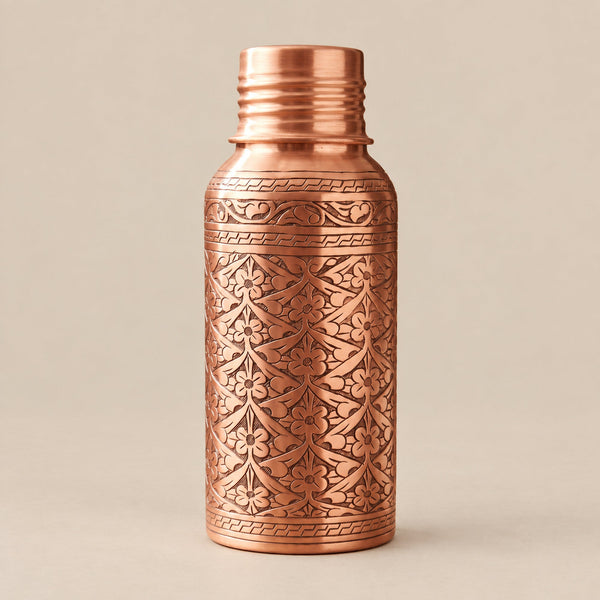
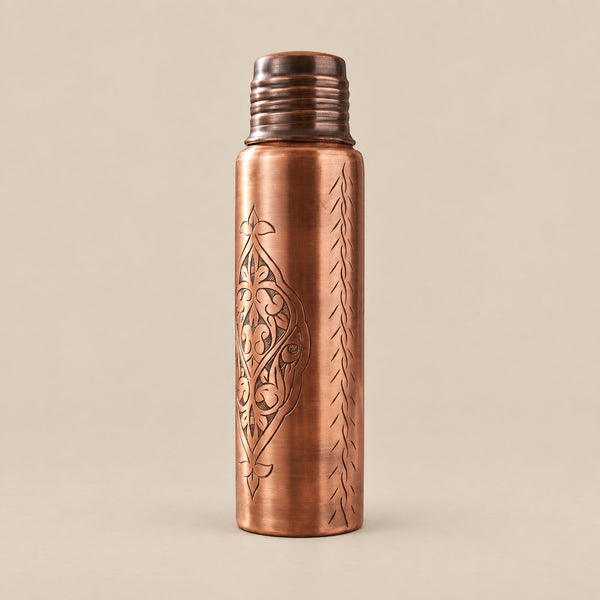
- Application: Gently apply the prepared paste to the tarnished outer surface of the teapot using a soft cloth or sponge. Focus more on areas with heavy tarnishing. Ensure you cover the entire surface. For products with detailed craftsmanship like the Oval Silver-Engraved Teapot, try to reach the engraved parts carefully.
- Waiting Time: After applying the paste, wait for 5 to 10 minutes to allow it to dissolve the oxidized layer of the copper. For very stubborn stains, you can extend this time up to 15 minutes, but waiting longer may damage the copper surface, so be careful.
- Rinsing: After the waiting period, rinse the teapot thoroughly under plenty of warm water. Ensure that all paste residues are completely cleaned off.
- Drying and Final Polishing: Dry the teapot immediately with a clean cloth. Leaving it damp can lead to new tarnishing. After drying, give it a final polish with a dry, soft cloth using circular motions. This will reveal the natural shine of the copper. For products like the Black Hammered Teapot, this final polishing step will add depth.
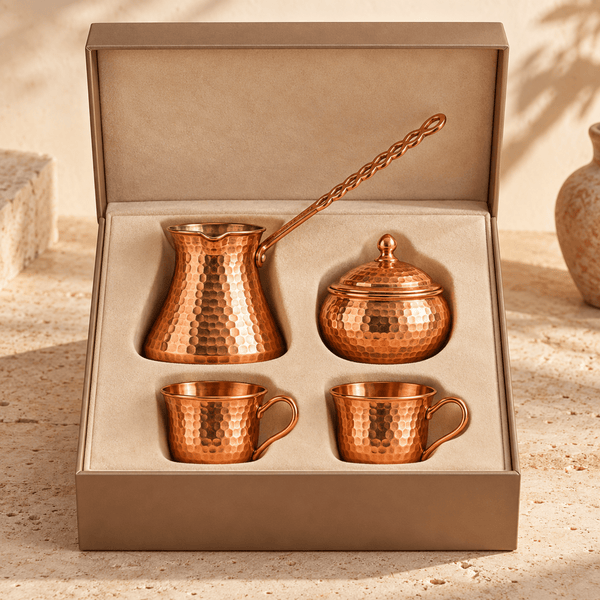
With this method, you can also polish your other copper items, including your presentation products.
What Never to Do When Cleaning a Copper Teapot
To extend the life of your copper teapot and preserve its beauty, you need to pay attention to some important points. Improper cleaning methods can cause permanent damage to your copper.
- Dishwasher Use: Copper products should absolutely not be washed in the dishwasher. The high heat and harsh detergents of the dishwasher will erode the surface of the copper, discolor it, and damage the tin coating.
- Harsh Chemicals and Bleach: Bleach, strong acids, or other abrasive chemicals are fatal to copper. Such substances disrupt the natural structure of copper and cause irreversible stains.
- Hard Brushes and Steel Wool: The surface of copper is relatively soft. Using hard brushes, sponges, or steel wool will lead to scratches and dullness. Always prefer soft cloths or sponges.
- Leaving Acidic Foods and Drinks for a Long Time: Acidic foods such as lemon, vinegar, and tomato can accelerate oxidation and discolor the copper when in direct contact for a long time. Especially in copper containers without tin coating or with worn-out coating, this situation can also pose a health risk. For example, the inner surfaces of our tinned copper teapots are carefully tinned to prevent such reactions.
- Leaving Damp: Leaving copper products damp after washing invites water spots and new tarnishing. Always dry immediately with a dry and soft cloth.
Tips for Maintaining the Shine of Copper Teapots for Longer
There are some tips you can pay attention to in daily use and storage so that you do not have to repeat the polishing process frequently.
- Cleaning After Each Use: Wash your teapot after each use with only warm water and mild dish soap. Then, dry immediately with a clean cloth. This will significantly delay the formation of tarnishing.
- Correct Storage Conditions: Keep your copper teapot away from humid environments. Storing it in a dry and airy place slows down oxidation. If possible, covering it with a cloth or keeping it in a closed cabinet when not in use can also be beneficial.
- Periodic Maintenance: Although it may not be a full polishing process, wiping it with a mild lemon juice and salt mixture once a month can prevent deep tarnishing. This ensures your teapot always stays eye-catching.
- Importance of Tin Coating: For the maintenance of the interior of our engraved copper teapots, which have tin-coated inner surfaces, use only warm water and soap. The tin coating can wear out over time; in this case, you must have it re-tinned for your health.
- Use of Polish (Professional): There are polishes on the market specifically produced for copper. These polishes can delay tarnishing by creating a protective layer on the surface of the copper. However, for those who prefer natural methods, this step is optional, and it is important to apply the polish to outer surfaces that will not come into contact with food.
Remember, a well-maintained copper teapot is not just a kitchen utensil but also a precious legacy to be passed down to future generations. Each of our kitchen accessories produced in our workshop is carefully crafted with the aim of keeping this legacy alive.
Taking good care of your copper teapots, which are an inseparable part of traditional Turkish cuisine and tea culture, is the best way to extend their lifespan while preserving the warmth and aesthetics they add to your kitchen. With these simple yet effective polishing methods passed down by our masters for generations, your copper teapot will always shine as it did on the first day and continue to accompany your tea hours. If you would like to take a look at our pure copper products produced with handcraftsmanship from Gaziantep and bring this unique tradition into your kitchen, you can review our teapot collection.
Master's Note
In our workshop, we recommend that our copper products be wiped with only warm water and a soft cloth after each use, and then dried immediately to maintain their original shine. Especially on engraved surfaces, cleaning with gentle movements to avoid damaging the details will extend the life of the product. Leaving it damp is the biggest enemy of new tarnishing.
Products Mentioned in the Article


Frequently Asked Questions
Why do copper teapots tarnish?
Copper naturally oxidizes when in contact with air and moisture, which leads to tarnishing and staining on its surface. This is a natural property of copper.
Should I also polish the inside of the copper teapot?
No, the insides of copper teapots are usually tin-plated. To avoid damaging the tin coating, you should clean the inner surface only with warm water and soap and should not polish it.
Can you polish copper with vinegar?
Yes, vinegar, like lemon, is effective in cleaning the tarnished surface of copper with its acidic structure. It can be used as an alternative to the lemon and salt mixture or for stubborn stains.
How should a copper teapot be stored?
Store your copper teapot in a dry and airy place away from humid environments. Covering it with a cloth when not in use helps delay oxidation.
What is the importance of the tin coating?
The tin coating acts as a protective barrier for your health by preventing copper from coming into direct contact with acidic foods. Worn coatings must be renewed.
Can a copper teapot be washed in the dishwasher?
Absolutely not. The high temperature and chemical detergents of the dishwasher erode the copper surface, discolor it, and cause irreversible damage to the tin coating.
Discover: Teapots
Best Sellers


